Trump and Netanyahu Clash Over Iran War Strategy in Tense Conversation
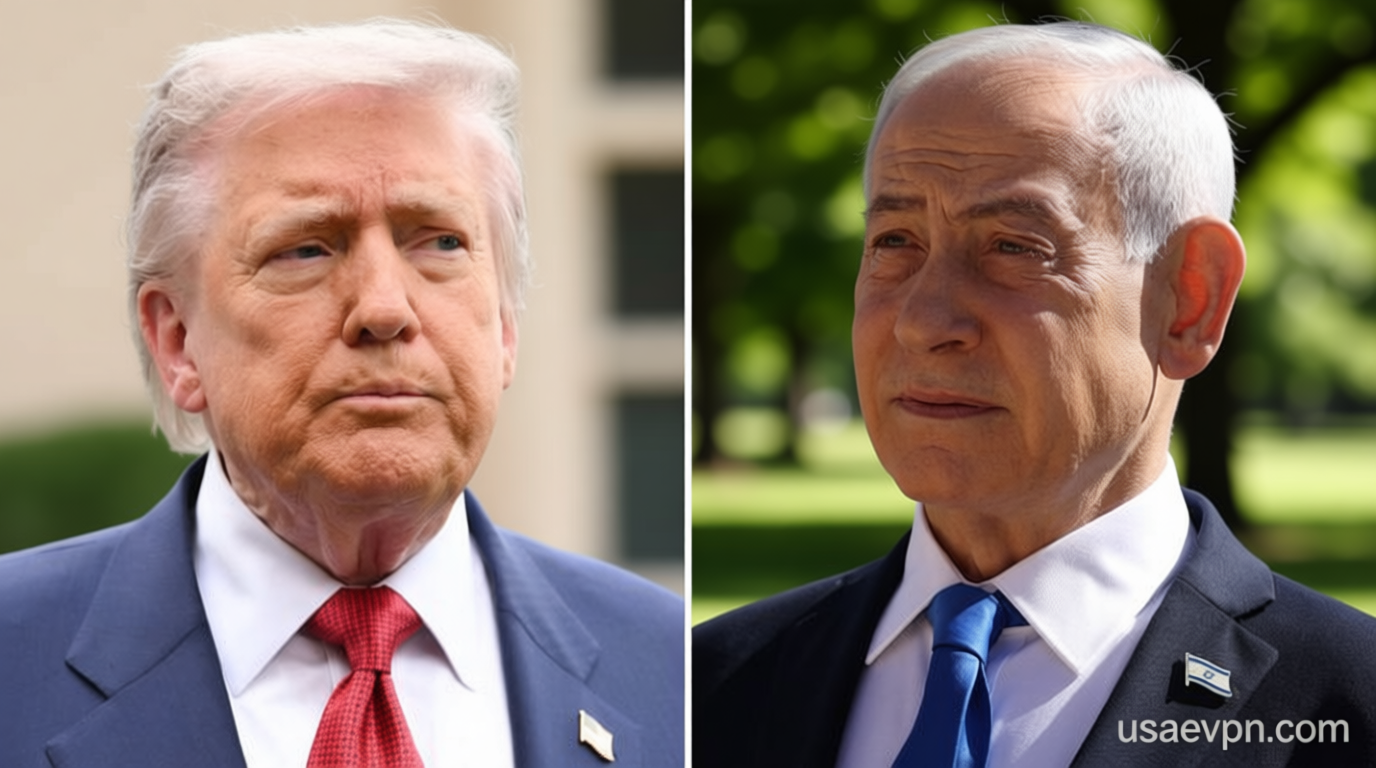
Trump and Netanyahu diverge on Iran – On Tuesday, US President Donald Trump engaged in a high-stakes conversation with Israeli Prime Minister Benjamin Netanyahu, revealing stark differences in their strategies for dealing with Iran. The exchange, described as “tense” by a US official, underscored the growing rift between the two leaders as they debated the next steps in the ongoing conflict with Tehran. This was not their first discussion in recent days, as prior interactions had already set the stage for diverging priorities.
Diplomatic Push for a Ceasefire
Earlier in the week, they had spoken on Sunday, during which Trump indicated his intention to launch new military operations against Iran shortly after. The official mentioned that the planned strikes were to be named “Operation Sledgehammer,” a codename reflecting the expected intensity of the attacks. However, within 24 hours of that discussion, Trump announced a pause in the planned strikes, citing requests from Qatar, Saudi Arabia, and the United Arab Emirates to delay the action.
In the days following the halt, the Gulf nations have remained in close coordination with White House and Pakistani mediators to craft a potential framework for further diplomatic engagement. The US official and an unnamed source familiar with the situation emphasized that the negotiations are progressing rapidly, though challenges remain. Trump, speaking to reporters on Wednesday, described the talks as being in “the final stages” of the Iran conflict. “We’ll see what happens,” he said. “We’ll either have a deal or we’re going to do some things that are a little bit nasty. But hopefully that won’t happen.”
Netanyahu’s Frustration Grows
Netanyahu, who has consistently advocated for a more robust military response to Iran, expressed his disappointment over the delay. According to Trump officials and Israeli sources, the prime minister argued that postponing the attacks would only benefit Tehran. His frustration was evident during the Tuesday conversation, where he told Trump that halting the strikes was a misstep and urged the president to stick to the original plan. “We need to keep moving forward,” Netanyahu reportedly insisted, highlighting his belief that military action is essential to securing Iran’s defeat.
Israeli officials have long criticized the US approach to the conflict, particularly Trump’s tendency to balance aggressive rhetoric with diplomatic pauses. This tension has been compounded by the Gulf nations’ recent requests for a temporary ceasefire, which they claim would allow time for negotiations. Despite Netanyahu’s push for immediate action, the Israeli government remains divided on the best path forward, with some officials advocating for continued strikes while others support the diplomatic effort.
Iran’s Stance on Nuclear Assets
The situation has also drawn attention to Iran’s nuclear ambitions. Reuters cited two unnamed senior Iranian sources stating that Supreme Leader Mojtaba Khamenei had directed that the country’s near-weapons-grade uranium stockpile must not be sent abroad. However, a US official noted that no such directive had been formally shared with the White House as of Thursday morning. Iran’s Foreign Ministry spokesperson, Esmaeil Baghaei, dismissed the claims, stating via the state-affiliated Islamic Republic News Agency (IRNA) that “claims about nuclear issues — such as enriched uranium or enrichment levels — are merely media speculation and have no basis in reality.” He also added that “none of the rumors” about a breakthrough between Tehran and Washington were credible.
When asked on Thursday whether Iran could retain its highly enriched uranium, Trump responded confidently: “No, no, we get the highly enriched. We will get it.” “We don’t need it; we don’t want it,” he added. “We’ll probably destroy it after we get it, but we’re not going to let them have it.” This statement aligns with the US strategy to secure Iran’s nuclear stockpile, even if it means employing force to achieve the goal. The Israeli concern, however, extends beyond immediate military action, as they fear that diplomatic delays could allow Iran to strengthen its position on the global stage.
A History of Strategic Divergence
Netanyahu’s frustration with the US approach is not entirely new. Sources familiar with their conversations have noted that the Israeli government has long viewed the White House’s objectives as less aggressive than their own. While Trump seeks a diplomatic resolution, Netanyahu believes that military pressure is the most effective way to compel Iran to concessions. This dynamic has played out repeatedly, with Trump often prioritizing negotiations over immediate strikes, even when the situation calls for decisive action.
The Israeli prime minister’s dissatisfaction reached a peak during the Tuesday call, where he pushed for a resumption of military operations. “He’ll do whatever I want him to do,” Trump claimed when asked about his conversation with Netanyahu the night before. This sentiment suggests a shift in power dynamics, with Trump asserting control over the outcome of the Iran conflict. Yet, despite Netanyahu’s insistence on a more aggressive approach, Trump has continued to emphasize the importance of diplomatic talks, arguing that the current situation is “right on the borderline” of a breakthrough.
Broader Implications for Regional Stability
The evolving situation has significant implications for regional stability, particularly in the Middle East. The involvement of Gulf allies and Pakistan in mediating the dispute highlights the complexity of the web of international relationships influencing the conflict. While the US seeks to avoid a full-scale war, its allies in the region have growing concerns about Iran’s escalating capabilities. The Iranian government’s refusal to relinquish its enriched uranium has become a key point of contention, with both sides using the issue to advance their strategic goals.
Netanyahu’s frustration with Trump’s back-and-forth strategy has also spilled over into the Israeli political landscape. An Israeli source told CNN that senior officials are increasingly wary of the US’s willingness to delay military action, arguing that such pauses could embolden Iran. “There is a strong desire in the upper echelons of the Israeli government for renewed military action,” the source said. “Mounting frustration with Trump’s approach is evident, especially as he continues to allow what they see as Iran’s diplomatic foot-dragging.”
Meanwhile, the international community watches closely as the negotiations unfold. The potential for a deal between Washington and Tehran could reshape the region’s geopolitical landscape, but the Israeli leadership remains skeptical. “Netanyahu’s concern is that diplomacy may not yield the results they need,” said a US official. “He’s worried that Iran will use the delay to strengthen its position, both militarily and diplomatically.” This apprehension underscores the high stakes of the current phase of the Iran war, as both sides prepare for the next move in their rivalry.
Looking Ahead
As the talks continue, the focus remains on whether a comprehensive agreement can be reached before the situation escalates further. Trump has expressed optimism about the possibility of a diplomatic resolution, while Netanyahu’s team remains committed to their military objectives. The outcome of this delicate balancing act will determine the future of the Iran war and the extent to which the US and Israel can align their strategies in the face of a formidable adversary.