
Musk loses case against OpenAI
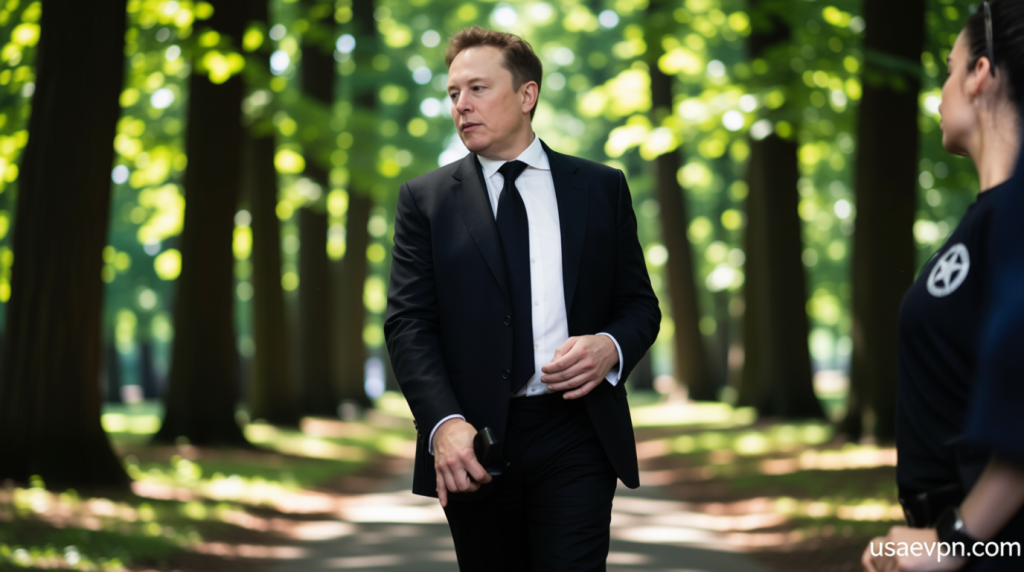
Elon Musk Loses Lawsuit Against OpenAI in Oakland Verdict
Musk loses case against OpenAI – Elon Musk’s legal challenge against OpenAI concluded with a decisive ruling in Oakland, California, where a jury found that Musk had delayed his lawsuit beyond the statute of limitations. The verdict, delivered after approximately 90 minutes of deliberation, declared that Musk’s claims against OpenAI’s leadership were no longer valid. Judge Yvonne Gonzalez Rogers echoed the jury’s findings, stating, “The court now confirms the prior indication that it would accept the jury’s findings as its own.” She added, “I think that there’s a substantial amount of evidence to support the jury’s finding, which is why I was prepared to dismiss on the spot.” This marks a significant setback for Musk’s case, which aimed to halt OpenAI’s transformation into a for-profit entity.
Origins of the Legal Dispute
Elon Musk, who initially co-founded and financially supported OpenAI in its early years, invested $38 million to help establish the organization. However, his 2024 lawsuit against OpenAI and its leadership accused them of “stealing a charity” and using his contributions to benefit themselves while shifting the company toward a commercial model. During the trial, Musk admitted to a strategic misstep, acknowledging, “I gave them free funding to create a startup.” His case was seen as a potential threat to OpenAI’s IPO plans, but the jury ruled that his delayed action weakened his legal standing. The decision underscores the timing of Musk’s allegations in relation to the company’s evolution.
Key Arguments and Evidence Presented
OpenAI’s legal team argued that Musk’s donations were not tied to any enforceable agreement requiring the organization to remain nonprofit. They highlighted that Musk had previously supported a for-profit structure to enhance OpenAI’s competitiveness against tech giants like Google. The defense also noted Musk’s rapid creation of xAI, a competing AI venture, just a year before filing the lawsuit. “The finding of the jury confirms that what this lawsuit was was a hypocritical attempt to sabotage a competitor,” said William Savitt, one of OpenAI’s attorneys, after the verdict. Evidence included hundreds of pages of emails, text messages, and internal documents, such as Brockman’s personal diaries and exchanges with Meta’s Mark Zuckerberg, to illustrate Musk’s timeline and motivations.
The jury’s ruling emphasized that Musk had been aware of OpenAI’s plans since 2021, making his 2024 lawsuit legally untimely. This focus on timing became a central theme in the trial, with OpenAI’s team asserting that Musk’s delay was intentional. The verdict also highlighted the strategic necessity of transitioning to a for-profit model, as the company faced increasing financial demands and sought to scale its operations in the fast-evolving AI market.
Corporate and Personal Implications
Microsoft, which was named as a codefendant for “aiding and abetting” Musk’s claims, praised the outcome, stating, “The facts and the timeline in this case have long been clear, and we welcome the jury’s decision to dismiss these claims as untimely.” While the ruling prevents Musk from immediately halting OpenAI’s restructuring, his legal team has not yet ruled out an appeal. “We will retain the right to challenge this decision,” one of Musk’s attorneys noted, as the case moves forward. The verdict also reflects on the personal relationships within OpenAI, including Shivon Zilis, a former board member and executive at Musk’s companies, who testified about her communications with Musk post-exit.
Industry Reactions and Broader Impact
The ruling has sparked varied reactions across the tech sector. OpenAI’s founders, Sam Altman and Greg Brockman, expressed relief, asserting that the verdict reinforces the company’s commitment to its nonprofit mission. However, the decision could influence future legal battles involving AI companies and their founders. “This case highlights how quickly the landscape of AI innovation can shift,” remarked an industry analyst. For Musk, the loss may signal a need to refocus his strategy, as his efforts to challenge OpenAI’s direction are now legally constrained. The outcome could also set a precedent for similar disputes in the rapidly expanding tech industry.
As the legal battle concludes, the focus shifts to the future of OpenAI and its relationship with Musk. The company continues to operate under its nonprofit foundation, with its for-profit arm remaining a key component of its growth strategy. The verdict not only validates OpenAI’s timeline but also underscores the importance of timing in corporate legal challenges. While Musk’s case against OpenAI ends in Oakland, the broader rivalry between the two entities in the AI space remains unresolved, with both companies vying for dominance in a highly competitive field.