Finnish Entrepreneur Jailed for Breach of EU Sanctions After Exporting Trucks to Russia
Finnish entrepreneur jailed for breach of EU – In a recent legal decision, a Finnish entrepreneur has been sentenced to three years and eight months in prison for violating European Union sanctions by exporting trucks and trailers to Russia. The ruling, issued by the South Karelia district court, marks a significant moment in the ongoing enforcement of trade restrictions imposed in response to Russia’s full-scale invasion of Ukraine. The case highlights the complexities of navigating international sanctions and the consequences for those who inadvertently or intentionally circumvent them.
The Case Against Risto Riihimaki
Risto Riihimaki, the founder of a company based in Lappeenranta—a town situated close to Finland’s border with Russia—was found guilty of exporting 164 trucks and trailers to the country in 2022 and 2023. His company had declared that the vehicles were destined for Kazakhstan or Turkey, using Russia as a transit point. However, the court determined that the actual route involved customs clearance directly into Russia by a third-party firm that imported and resold the trucks. This maneuver, though initially justified under the EU’s sanctions framework, was deemed a breach of the rules.
According to Finnish Customs, the total value of the imported vehicles reached approximately €17 million. The court’s findings emphasized that while transit through Russia was permitted under the sanctions at the time, the method of clearance bypassed key restrictions. Riihimaki’s actions were labeled as an “aggravated regulation offence,” with the judge noting the exceptional nature of the violation in both scope and impact.
“Riihimaki’s act was exceptional in its nature and scope,” stated the court in its ruling. This phrase underscores the severity of the breach, which not only involved the movement of goods but also the potential for their use in Russia’s military or economic activities.
Riihimaki, who has been in custody since mid-March, contested the charges, asserting that he had been misled by the import company. He claimed that the vehicles were never intended for Russian use and that the initial declaration was based on incomplete information. Despite his defense, the court maintained that the export route was deliberately structured to evade sanctions, thereby allowing the trucks to enter Russian territory without proper oversight.
Sanctions and Their Enforcement
The EU sanctions, introduced in late 2022, aimed to limit Russia’s access to critical goods and technologies, including vehicles, in an effort to pressure the country economically. Under these rules, transit through Russia was allowed, provided the goods were not directly delivered to the country. This loophole was exploited by Riihimaki’s company, which claimed compliance with the regulations by routing the trucks through Kazakhstan or Turkey. However, the court’s investigation revealed that the trucks were effectively cleared into Russia, bypassing the intended restrictions.
The case has sparked debate about the clarity of EU sanctions and their enforcement. While the rules permitted transit, the court’s interpretation of the term “transit” appears to have shifted. The judge argued that the trucks’ final destination was Russia, making the export a direct violation. This highlights the challenge of distinguishing between legitimate transit and smuggling, especially when the goods are later resold or repurposed within the target country.
Financial Penalties and Legal Consequences
Alongside the prison sentence, Riihimaki and his company were ordered to forfeit the proceeds of the crime, totaling €608,275, as well as the full value of the property involved—€6 million. Additionally, the company faced a separate fine of €10,000. These penalties reflect the EU’s stance on holding individuals and businesses accountable for sanctions violations, even if the intent was to comply with the rules.
The court’s decision to impose these financial obligations underscores the dual focus of sanctions enforcement: penalizing the act itself and ensuring that the benefits of the breach are transferred to the state. This approach aims to deter similar violations by removing the financial gain from the illegal activity. Riihimaki’s case also serves as a reminder of the potential risks for businesses operating near the Russian border, where the line between legal and illicit trade can blur.
The Broader Implications of the Closed Border
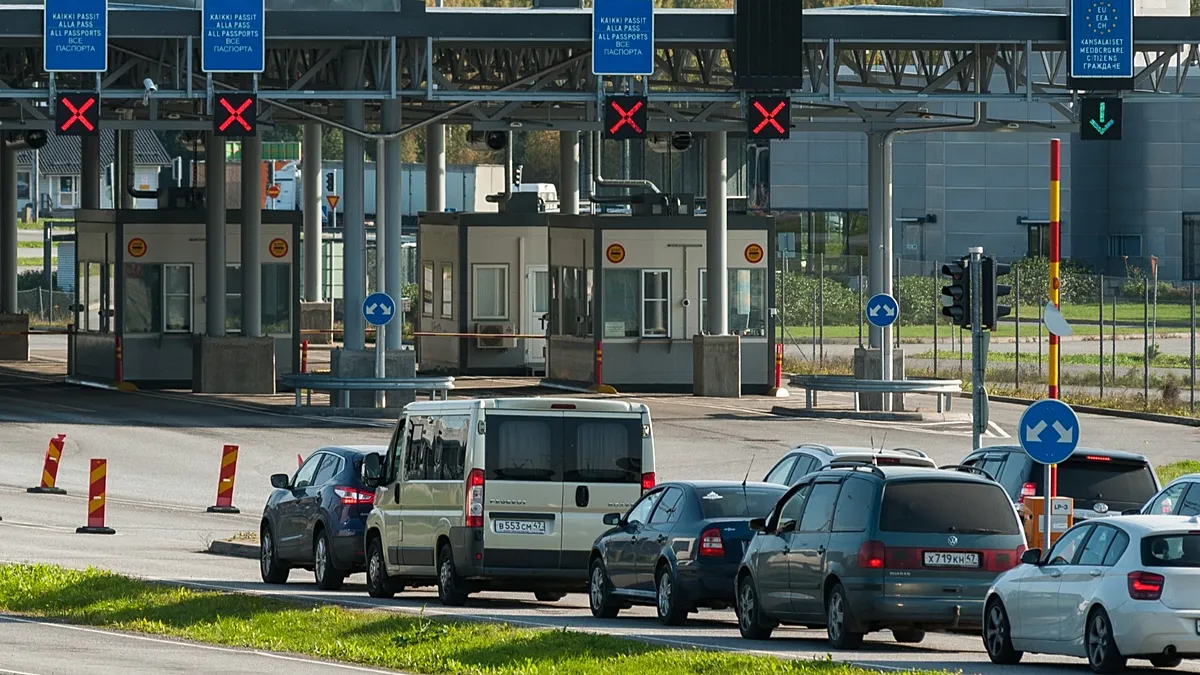
Finland’s border with Russia, which spans 1,340 kilometers, has remained closed since December 2023 following the arrival of over 1,000 migrants without valid visas. This closure has heightened the scrutiny of goods crossing into the country, making the recent conviction even more symbolic. The case demonstrates how the EU’s sanctions have been adapted to account for the new realities of border control and trade routes.
While the closed border has reduced direct trade between Finland and Russia, it has not eliminated the need for careful compliance. The Riihimaki case illustrates that even with the border closed, businesses may still find ways to circumvent restrictions through intermediaries. This has led to increased collaboration between Finnish customs authorities and other EU agencies to monitor and enforce sanctions more effectively.
Experts argue that the ruling sends a clear message to companies operating in the region: adherence to sanctions is non-negotiable. The court’s emphasis on the “exceptional” nature of the offense suggests that the breach was not a minor infraction but a deliberate act that undermined the EU’s sanctions regime. For Riihimaki, the sentence is not just a punishment but a testament to the legal consequences of breaching international trade agreements.
As the case moves forward, it will be closely watched for its potential to set a precedent in sanctions enforcement. The possibility of an appeal means the decision could still evolve, but for now, it stands as a firm reminder of the EU’s commitment to holding individuals accountable for their role in supporting Russia’s war efforts. This outcome also reflects the broader geopolitical tensions shaping trade policies across Europe, where economic interests and political objectives often intersect in complex ways.