Suspected Ebola Case in Cagliari: Patient in Hospital
Suspected Ebola case in Cagliari – In a recent development, health authorities in Cagliari, Sardinia, have initiated emergency protocols following the identification of a potential Ebola infection. The individual, who showed symptoms consistent with the virus, was swiftly transported to the infectious diseases unit at Santissima Trinità Hospital after being picked up from their residence. This action was taken to ensure immediate containment and monitoring. The response involved a coordinated effort from multiple agencies, including police, fire services, and local authorities, who arrived at the scene to assist. Medical personnel, clad in protective gear and masks, entered the patient’s home to evaluate their condition and prepare for transfer.
As the evening progressed, the Italian Ministry of Health released an official statement confirming the patient’s current status. According to the ministry, the individual is experiencing symptoms and had recently returned from the Democratic Republic of Congo (DRC). The statement emphasized that the patient is now isolated in a hospital facility, underscoring the low risk of Ebola transmission within Italy. This reassurance comes as the country continues to monitor the situation closely, with the Spallanzani Institute in Rome set to conduct further tests later that evening. The institute is renowned for its expertise in infectious disease research, and its involvement highlights the importance of scientific rigor in assessing the case.
Italy’s Role in Regional Disease Control
Italy’s proactive approach to combating the Ebola outbreak extends beyond its national borders. In recent days, the country has dispatched specialists from the Spallanzani Institute to the DRC, contributing to the global effort to contain the virus. These experts work alongside local teams to provide diagnostic support, treatment protocols, and research insights. The Italian government has also been instrumental in advocating for improved coordination between European nations. Prime Minister Giorgia Meloni has highlighted border management as a key priority for the upcoming European Council meeting scheduled for 18–19 June 2026, aiming to streamline response mechanisms across the continent.
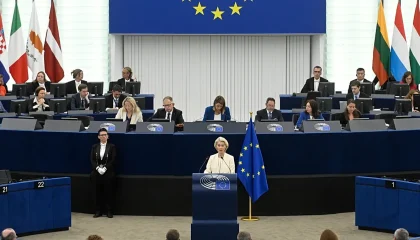
Preparations for this meeting are already underway, with officials in Rome emphasizing the need for early collaboration. A videoconference of health ministers is planned for next week, and the EPSCO Council on 16 June will serve as a platform to define operational goals. These steps reflect a growing awareness of the interconnected nature of public health crises, particularly in the context of cross-border travel and trade. By aligning with European partners, Italy seeks to enhance preparedness and ensure a unified strategy against potential outbreaks.
Outbreak Context and Global Implications
The suspected case in Cagliari is part of a broader regional challenge. On Sunday, Jean Kaseya, the director-general of the Africa Centres for Disease Control and Prevention (Africa CDC), provided an update to the Financial Times, revealing that as of 30 May 2026, the DRC and Uganda have reported 263 confirmed Ebola cases and 43 fatalities. The number of suspected cases, however, surpasses 1,100, indicating the virus’s rapid spread in the region. Kaseya noted that the outbreak is occurring in an area already strained by other health and economic pressures, raising concerns about the capacity to respond effectively.
Despite the challenges, Kaseya expressed confidence in the emerging African response to the crisis. He stated that regional efforts are intensifying, with local health systems and international allies working together to mitigate the spread. The Africa CDC has been pivotal in coordinating this response, mobilizing resources and expertise to support affected countries. Kaseya also reiterated that international partnerships remain crucial, as the scale of the outbreak demands a collective effort.
Analysts have pointed to the DRC’s recent challenges as a critical factor in the outbreak’s progression. The country has faced logistical hurdles due to its vast geography and limited infrastructure, making containment difficult. However, the situation has also spurred innovation in medical response, with mobile testing units and community engagement programs playing a key role. The Ministry of Health’s statement about the low risk in Italy aligns with the broader strategy of minimizing panic while ensuring readiness for any possible cases.
As the world watches the evolving crisis, the Cagliari incident serves as a reminder of the importance of vigilance. While the patient is currently isolated, the possibility of regional spread remains a pressing concern. Kaseya’s warning about the “real risk” of transmission underscores the need for sustained vigilance and adaptive strategies. The situation in the DRC highlights how outbreaks in one part of the world can have implications elsewhere, especially with global travel networks.
Italy’s involvement in the DRC, both through expert deployment and policy advocacy, exemplifies its commitment to addressing transnational health threats. The country’s proactive stance is likely to influence European Union discussions on enhancing border controls and public health surveillance. As the European Council meeting approaches, leaders are expected to prioritize measures that prevent the virus from gaining a foothold in Italy and other member states. This includes reinforcing quarantine protocols, improving communication between health agencies, and investing in medical infrastructure.
The African response to the outbreak has been characterized by rapid mobilization and collaboration. Kaseya emphasized that the region is “under pressure,” but its resilience is being tested through various initiatives. The use of technology, such as digital tracking systems and telemedicine, has been a notable aspect of the strategy. Additionally, community outreach programs have played a vital role in educating populations about prevention and early detection. These efforts are critical in reducing stigma and encouraging individuals to seek medical attention promptly.
Meanwhile, the suspected case in Cagliari has prompted a review of Italy’s existing preparedness measures. Health officials have confirmed that the country’s infrastructure is equipped to handle such scenarios, with specialized facilities and trained personnel ready to respond. The situation also serves as a testing ground for new protocols, ensuring that the nation remains agile in the face of emerging threats. As the Spallanzani Institute conducts tests, the results will provide further clarity on the patient’s condition and the potential for regional spread.
Experts warn that the virus’s spread is not limited to the DRC. The interconnectedness of global populations means that an outbreak in one region can quickly affect others. This is why the European Council’s focus on border management is essential. By establishing clear guidelines for travelers and monitoring movement patterns, the EU can reduce the risk of the virus entering new areas. The upcoming meeting represents a significant opportunity to solidify these efforts and ensure a coordinated approach.
As the situation develops, the Italian Ministry of Health and the Spallanzani Institute will play a central role in tracking the progress of the suspected case. The results of the tests will determine whether the patient is confirmed as an Ebola case or if the symptoms are attributable to another illness. This moment is also a chance to reassess the broader implications of the outbreak for Italy and the EU, with officials prepared to implement additional measures if needed.
The Africa CDC’s report underscores the urgency of the crisis. With over 1,100 suspected cases, the potential for the virus to spread further remains high. Kaseya’s comments highlight the need for both local and international resources to manage the outbreak effectively. The Italian case, while isolated, serves as a focal point for discussions on how to balance vigilance with public confidence. As the world continues to monitor the situation, the lessons learned from the DRC and other affected regions will be critical in shaping future responses.