Russia and Ukraine Swap 160 Soldiers Each in Latest Prisoner Exchange
Russia and Ukraine swap 160 soldiers – In a notable development, Russia and Ukraine have completed a prisoner exchange involving 160 soldiers from each side, as confirmed by both governments on Friday. This marks another instance of prisoner releases since Moscow initiated its full-scale invasion of Ukraine more than four years ago. The deal, which underscores ongoing efforts to manage the conflict’s human toll, was highlighted by Ukrainian President Volodymyr Zelenskyy, who shared updates on social media.
“We continue to bring Ukrainians home from Russian captivity. Today, 160 service members were released,” Zelenskyy stated, emphasizing that “all of them had been held since 2022.” He accompanied the announcement with images of the freed soldiers, who were draped in blue-and-yellow flags, their expressions reflecting relief and camaraderie as they embraced one another.
The Russian Defence Ministry corroborated the figures, noting that “160 Russian servicemen have been returned” and “160 Ukrainian prisoners of war handed over in exchange.” According to the ministry, the Russian soldiers were transported to Belarus, where they are receiving medical and logistical support. This arrangement highlights the logistical coordination required to facilitate such exchanges, even amid the war’s shifting dynamics.
Abu Dhabi has emerged as a consistent mediator in these efforts, playing a pivotal role in recent negotiations. The emirate recently brokered a 205-person exchange in May, which was tied to a broader 1,000-for-1,000 agreement under a short-lived ceasefire supported by the United States. Earlier this year, another significant swap of 314 individuals took place following discussions held in Abu Dhabi, demonstrating the Gulf state’s commitment to maintaining dialogue between Kyiv and Moscow.
Prisoner exchanges have become a rare point of mutual agreement in the war, despite the intensifying battles elsewhere on the frontlines. Since the invasion began in February 2022, the two nations have prioritized this process as a means of easing tensions and ensuring the safe return of captured personnel. For Ukraine, the exchange is a critical component of its strategy to secure the release of soldiers and reduce the number of detainees in Russian custody.
The Human Cost and Strategic Implications
The scale of Friday’s exchange—160 soldiers each—highlights the sustained effort to address the humanitarian and military challenges of the conflict. Both sides have faced heavy losses, and the prisoner swaps serve as a tangible step toward mitigating the suffering of captured troops. The logistics of these exchanges, including the use of neutral locations like Belarus, underscore the complexity of coordinating such deals in a warzone.
While the military frontlines have seen increased activity, prisoner exchanges remain one of the few areas where Kyiv and Moscow have achieved measurable cooperation. This is particularly significant given the war’s prolonged nature and the challenges of reaching broader peace agreements. The latest swap is likely to be viewed as a symbolic gesture, reinforcing the importance of diplomatic channels in maintaining stability.
Escalating Military Operations and Negotiation Stalls
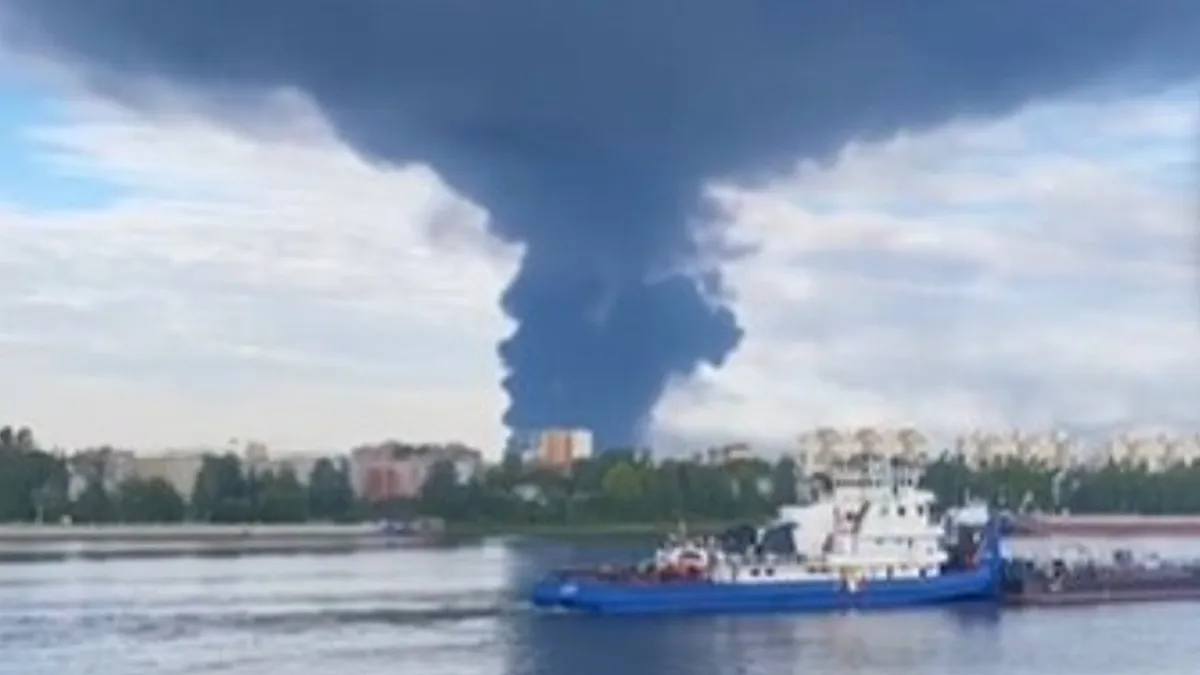
As the exchange took place, Ukraine has intensified its long-range strike operations against Russian territory. President Zelenskyy recently announced a 40-day pressure campaign targeting Russian logistics and military infrastructure, including repeated drone strikes on Moscow and occupied Crimea. These actions aim to disrupt supply lines and weaken Moscow’s war effort, while also demonstrating Kyiv’s capability to strike beyond its immediate borders.
The timing of the prisoner swap coincides with Ukraine’s strategic push to apply pressure on Russian forces. By targeting key infrastructure, Kyiv seeks to force concessions in negotiations, even as talks brokered by Washington remain stalled. Despite months of dialogue, no formal agreement has materialized, leaving the future of the conflict uncertain. However, the prisoner exchanges continue to provide a framework for temporary cooperation, offering a glimmer of hope amid the war’s ongoing volatility.
Context of the Conflict and Diplomatic Pathways
The war, which has drawn global attention, has seen both sides leveraging various tactics to gain advantage. While direct military confrontations dominate the headlines, the prisoner exchange process reveals the diplomatic nuances that sustain the conflict. Abu Dhabi’s role in facilitating these swaps underscores the importance of international actors in bridging divides between opposing forces.
Friday’s exchange is part of a recurring pattern of prisoner swaps that have defined the war’s early years. Each release serves as a reminder of the human cost of the conflict, with families on both sides rejoicing at the return of their loved ones. Yet, the process also highlights the political and strategic considerations at play. For Russia, returning captured soldiers may be a way to bolster morale among its troops, while for Ukraine, it reinforces the country’s commitment to securing its fighters’ freedom.
As the war enters its fourth year, the balance between military action and diplomatic efforts remains delicate. While the latest exchange offers a moment of progress, the broader conflict continues to evolve, with both sides preparing for new phases of engagement. The future of peace negotiations will depend on whether these prisoner swaps can catalyze more comprehensive agreements, or if they will remain a temporary solution in an otherwise prolonged stalemate.
The role of neutral mediators like Abu Dhabi is crucial in maintaining these exchanges. Their involvement not only provides a platform for dialogue but also ensures that both parties can maintain their respective objectives. As the war continues, the prisoner swap process may serve as a stabilizing force, even as the battlefield remains a site of constant change and uncertainty.