EU Releases €3 Billion Loan for Ukraine Amid Uncertain US-Iran Negotiations
EU releases 3 billion loan for Ukraine – The European Union has announced the release of a €3 billion loan package to support Ukraine’s recovery efforts, a significant move aimed at bolstering the nation’s resilience as it continues to face challenges from ongoing conflict. This financial aid, part of broader economic assistance, comes at a critical juncture, with international leaders gathering in Poland to discuss the future of Ukraine’s reconstruction. The decision underscores the EU’s commitment to Ukraine’s stability, even as diplomatic tensions with Iran persist.
Regional Focus at the Ukraine Recovery Conference
The Ukraine Recovery Conference, held in the Polish capital, has become a focal point for European nations seeking to coordinate aid and strategy for the war-torn country. Delegates from across the EU have convened to address infrastructure rebuilding, humanitarian needs, and long-term security measures. While the loan release is a landmark step, the conference also highlights the complexity of international cooperation, particularly as the US-Iran talks remain at a fragile stage.
During the event, Euronews correspondent Maria Tadeo provided live updates, emphasizing the urgency of the situation. “Ukraine’s recovery hinges on sustained financial and political support,” Tadeo noted, highlighting the need for European solidarity. The discussion included insights from David Lammy, the UK’s Deputy Prime Minister, who reiterated the importance of maintaining pressure on Russia while exploring avenues for peace talks.
Iranian Perspectives on Diplomatic Stalemate
Meanwhile, Euronews’ Mared Gwyn engaged in a conversation with Seyed Hossein Mousavian, a former senior Iranian nuclear negotiator. Mousavian described the current state of US-Iran negotiations as “tentative but fraught,” citing lingering disagreements over sanctions and regional influence. “The talks are moving slowly, but there is still hope,” he said, adding that both sides are aware of the stakes involved.
Amid these diplomatic discussions, Euronews’ Stefan Grobe reported on the aftermath of a devastating earthquake that struck Venezuela. The disaster has left thousands displaced, with rescue operations ongoing. Grobe spoke with EU Commissioner for Preparedness and Crisis Management Hadja Lahbib, who emphasized the EU’s role in providing emergency aid and coordinating international relief efforts. “Crises like this demand immediate action, and the EU is ready to step in,” Lahbib stated.
Extreme Weather and Its Impact on Europe
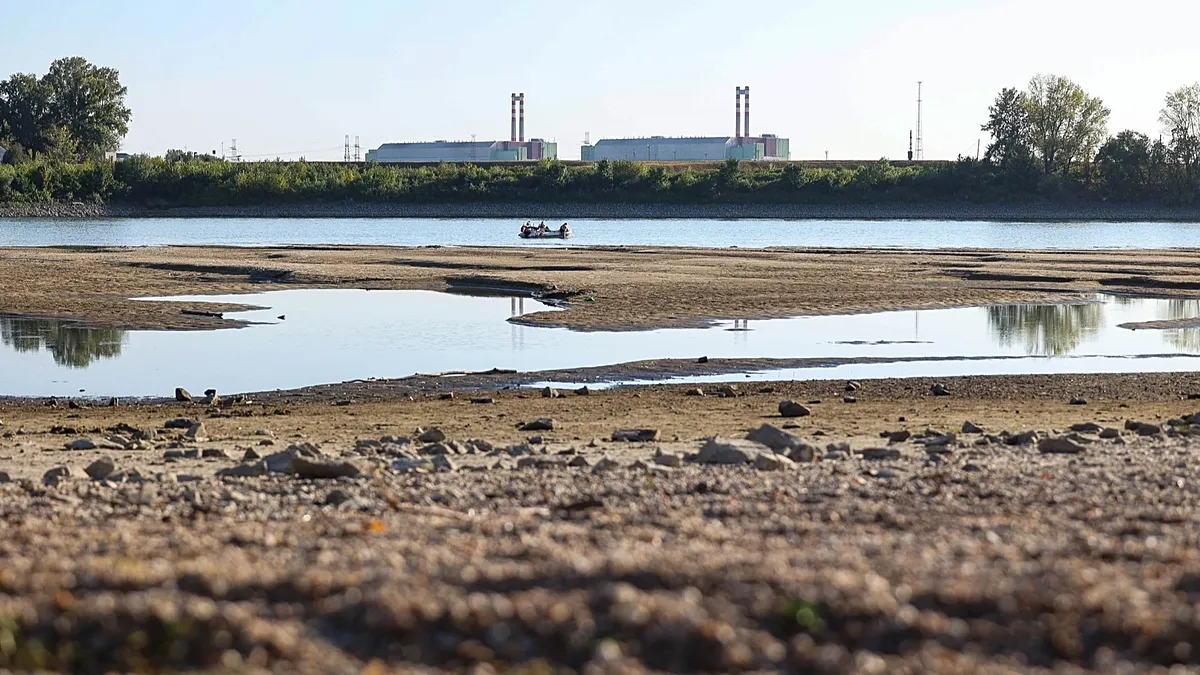
Another pressing issue on Euronews’ agenda is the extreme heatwave gripping parts of Europe. Adnan Leal’s report highlighted record temperatures in several countries, prompting concerns about public health, agriculture, and energy demands. The situation has forced governments to take emergency measures, including water rationing and heat alerts. Leal noted, “This heatwave is a stark reminder of climate change’s growing threat, even in regions unaccustomed to such conditions.”
The reports also touched on the FIFA World Cup, which is entering its final group stage. With high-stakes matches capturing global attention, Euronews provided updates on key games and the tournament’s progression. The coverage blended sports excitement with broader geopolitical commentary, linking the event to the mood of international competition and unity.
Global Reach of Euronews’ Reporting
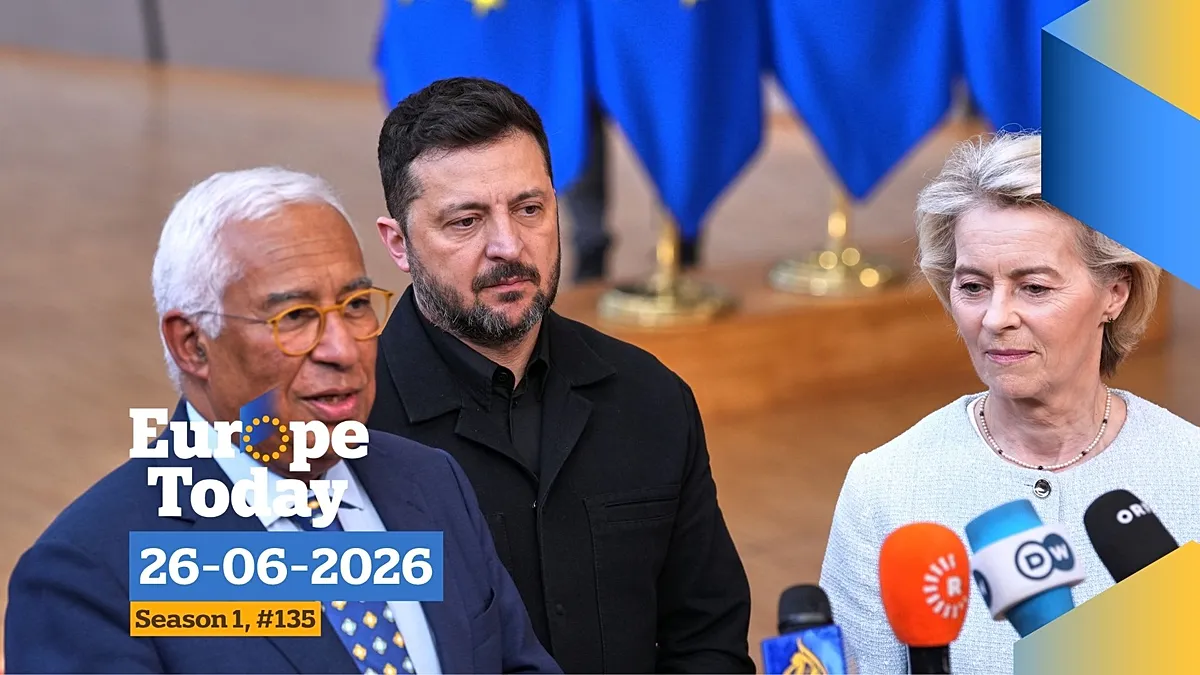
Euronews continues to expand its reach, offering content through multiple platforms to cater to diverse audiences. The network’s chief anchor, Méabh McMahon, and EU editor Maria Tadeo are live on TV, with additional updates available on the Euronews website and digital platforms like YouTube, Facebook, X, and Instagram. The new format, which delivers key events and in-depth analysis in just 20 minutes, is designed to provide concise yet comprehensive coverage of the EU’s evolving role in global affairs.
“We’re ensuring that every viewer and reader gets the most critical information without compromise,” McMahon said, reflecting on the network’s commitment to timely reporting. The format also includes a newsletter and podcast, allowing audiences to access content on their preferred terms. This multi-platform strategy is intended to enhance engagement, especially in an era where information consumption is increasingly fragmented.
Broader Implications of the EU’s Loan
The €3 billion loan represents a strategic investment in Ukraine’s future, but its success depends on effective implementation and political will. Analysts suggest that the funding will primarily target energy infrastructure, agriculture, and healthcare systems, which have been severely strained by the war. “This loan could be a game-changer for Ukraine’s long-term stability,” said one expert, though challenges remain in securing additional financial commitments from global partners.
At the same time, the fragile state of US-Iran talks casts a shadow over international cooperation. Despite recent discussions, key issues such as Iran’s nuclear program and sanctions have yet to be resolved. Mousavian’s insights suggest that while progress is possible, it requires both sides to balance pragmatism with ambition. “Diplomacy is a delicate dance, and one misstep could derail months of effort,” he warned, underscoring the precarious nature of the negotiations.
Complementing News with Analytical Depth
Euronews’ approach to reporting combines immediate updates with analytical depth, offering a nuanced perspective on global events. The network’s coverage of the earthquake in Venezuela, for instance, not only highlighted the humanitarian crisis but also explored the underlying vulnerabilities in the region’s infrastructure. Similarly, the heatwave in Europe was framed within the context of climate change, linking it to broader environmental and economic challenges.
“Our goal is to inform the public while encouraging critical thinking,” said Tadeo, who has been at the conference since its inception. This philosophy is evident in the way each story is presented, from the Ukraine Recovery Conference to the FIFA World Cup. The integration of expert opinions and real-time reporting ensures that audiences receive a well-rounded view of the world’s most pressing issues.
Ensuring Access for All Audiences
To maximize accessibility, Euronews has adapted its content delivery methods. The network’s 8 am Brussels-time broadcast on TV is complemented by digital platforms, allowing for real-time engagement across time zones. This flexibility is particularly valuable in a region as geographically diverse as Europe, where audiences may have different schedules and preferences.
“We’re meeting people where they are,” McMahon explained, highlighting the effort to tailor content to various formats. The podcast, for instance, offers a more in-depth exploration of topics, while the newsletter provides a convenient summary for those on the go. This strategy ensures that the EU’s message remains consistent and widely disseminated, even as global events continue to unfold rapidly.
As the Ukraine Recovery Conference concludes, the EU’s decision to fund the loan for Ukraine signals a renewed focus on supporting the country. However, the success of this initiative will depend on the interplay of political, economic, and humanitarian factors. Meanwhile, the ongoing US-Iran talks remain a key point of contention, with the potential to influence not only regional stability but also global energy and security dynamics.
With the next phase of the FIFA World Cup approaching, Euronews will continue to cover the competition alongside its broader geopolitical and humanitarian reports. The network’s ability to balance these diverse topics reflects its role as a comprehensive source of news, analysis, and storytelling for an