Monterrey: A Travel Guide to the 2026 World Cup Host City
Stadiums and Spectacle
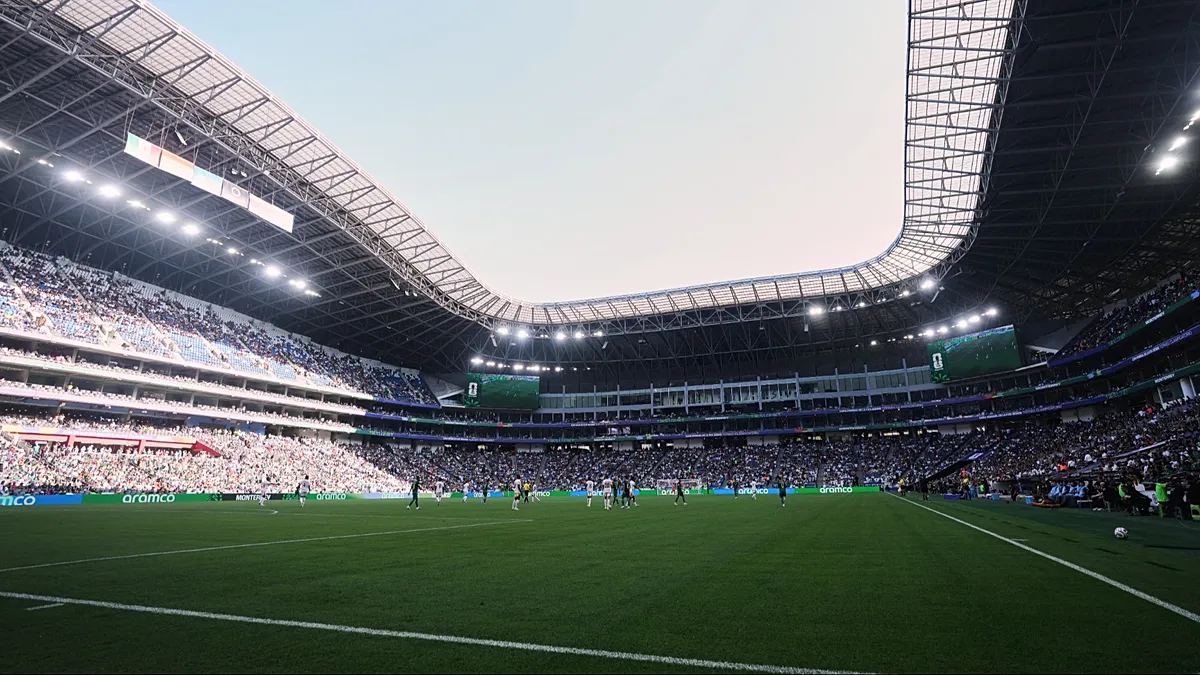
Monterrey, a vibrant industrial city in northern Mexico, will play host to four pivotal matches during the 2026 FIFA World Cup. All these games will take place at the Estadio BBVA, a state-of-the-art venue with a capacity of 53,500. Renamed Estadio Monterrey for the tournament, the stadium will stand as a beacon of the city’s football heritage, its modern design contrasting with the towering Cerro de la Silla mountains that frame its skyline. This iconic structure, home to CF Monterrey, is set to become one of the standout locations in the expanded 48-team competition.
The city’s football passion is unmistakable, with Monterrey’s sporting history stretching back to the 1986 FIFA World Cup. Even today, the rivalry between CF Monterrey and Tigres UANL continues to electrify fans, making their derby matches among the most intense in Latin America. The Estadio Universitario, another key venue, regularly hosts Liga MX, CONCACAF, and international fixtures, offering an additional layer of excitement for visitors.
Climate and Comfort
Monterrey’s summer climate is a double-edged sword for travelers. June and July bring sweltering temperatures that frequently surpass 38 degrees Celsius, demanding extra preparation for outdoor activities. Hydration is critical, as the city’s intense heat can quickly dehydrate even the most seasoned fans. Sunscreen and lighter clothing should be essentials, with shaded areas near the West stand of Estadio BBVA providing relief from the relentless afternoon sun.
For those attending matches, the stadium’s steel structure may intensify the heat. To stay cool, arriving early is recommended, allowing time to acclimate before the game. The East stand, in particular, faces direct sunlight, so fans are advised to wear hats and sunglasses for added protection. This environmental detail underscores the importance of planning for the city’s arid summer months, ensuring a comfortable experience during the tournament.
Cultural and Historical Highlights
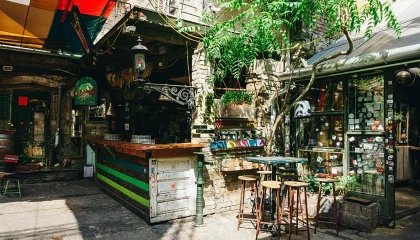
Beyond the pitch, Monterrey offers a rich tapestry of culture and history. The Macroplaza, one of the world’s largest public squares, serves as the city’s central gathering point. Encircled by landmarks such as the Metropolitan Cathedral and Government Palace, it reflects Monterrey’s colonial past and modern identity. For a more authentic experience, the Barrio Antiguo—a historic district—invites exploration with its cobblestone streets and colonial-style mansions. This neighborhood is the heart of the city’s creative and cultural scene, teeming with art galleries, independent cafes, and vintage shops.
Monterrey’s reputation as a hub for sports extends beyond football. The city has hosted major boxing events, baseball games, and international tournaments, showcasing its versatility as a sporting destination. This legacy of athletic enthusiasm is evident in the way locals embrace visitors, particularly during high-profile matches. During the intercontinental playoff, for instance, residents welcomed Iraq with warmth, highlighting the city’s tradition of hospitality.
Dining and Culinary Delights
Food lovers will find Monterrey to be a paradise of flavors. The city is widely credited with popularizing the grill and carne asada—grilled meat—among Mexican cities. Asadores and steakhouses line the streets, offering traditional cuts like rib-eye, arrachera, and cabrito. Street food vendors also contribute to the culinary scene, serving dishes such as tacos de trompo, gorditas campechanas, and quesadillas filled with local cheeses. These offerings cater to both casual eaters and gourmet enthusiasts, ensuring a diverse experience.
Monterrey’s dining scene is evolving rapidly, with chefs experimenting by blending Mexican staples with Asian, Mediterranean, and Southern US influences. This fusion creates innovative dishes that are both approachable and exciting for visitors. Craft breweries and cocktail bars have also gained popularity, adding a modern twist to the city’s culinary identity. Whether savoring a classic plate of grilled meat or a trendy fusion meal, food is an integral part of the experience in this dynamic city.
Getting Around the City
Transportation in Monterrey will be a key consideration for fans attending matches. The city’s central hub for the 2026 World Cup is Parque Fundidora, a former steel foundry transformed into a sprawling urban oasis. This green space, complete with an artificial river known as Paseo Santa Lucía, offers scenic boat rides and walking paths. The park also connects to the 8km pedestrian route that links downtown Monterrey to Estadio BBVA in Guadalupe, ensuring easy access to matches.
Public transit, specifically Line 1 of the metro, will be crucial for moving between the city and the stadium. Fans can board the line and disembark at Exposición terminal station, where a secure, dedicated walkway leads directly into the stadium gates. Rideshare services like Uber and DiDi will also be available, with designated drop-off zones outside the security perimeter. However, matchdays may bring heavy traffic and increased fares, so planning ahead is advisable.
Legacy and Future
Monterrey’s role in the 2026 World Cup is not just about hosting games—it’s about celebrating its rich history and forward-thinking spirit. The city’s ability to blend industrial heritage with cultural vibrancy makes it a unique destination for sports and leisure. Its reputation as a football powerhouse, combined with the warmth of its people and the allure of its cuisine, ensures that visitors will leave with unforgettable memories. As the tournament approaches, the city is ready to welcome the world with open arms, proving that Monterrey is more than just a host city—it’s a living, breathing celebration of sport and life.
“Monterrey’s football culture is deeply rooted in its identity, and the city’s hospitality reflects that passion.”
With its strategic location, modern infrastructure, and enduring traditions, Monterrey stands as a testament to Mexico’s ability to host world-class events. Whether you’re a football fan, a foodie, or a history buff, the city offers something for everyone. The 2026 World Cup will not only highlight its sporting legacy but also showcase its dynamic character, ensuring that every visitor experiences the city’s unique blend of energy and charm.