
UK to urge full reopening of Strait of Hormuz
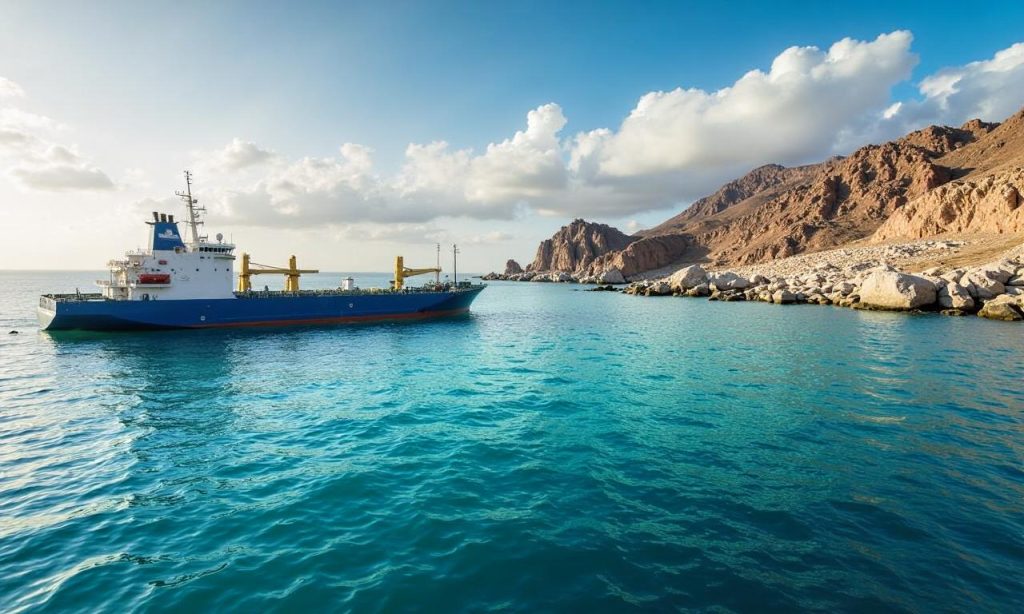
UK Calls for Full Reopening of Hormuz Strait
UK Foreign Secretary Yvette Cooper is set to push for the complete unblocking of the Strait of Hormuz on Thursday, following Iran’s naval warning to Gulf vessels. Ships without prior authorization to traverse the waterway were threatened with attack, prompting the UK to take a diplomatic stance. Cooper will also highlight the need to involve Lebanon in the ongoing ceasefire deal between the US and Iran, despite the UK not participating in the initial strikes.
Global Economic Impact and Maritime Concerns
Cooper emphasized that the closure of the vital shipping lane has rippled across the globe, increasing food and fuel costs in the UK. She plans to stress that the strait must remain open without tolls or restrictions, as reports suggest vessels might be required to pay Iran for safe passage. The UK’s position aims to prevent further economic disruption, with ministers acknowledging that final decisions rest with the US and Israel.
“This is an international shipping route, a transit route for the High Seas,” Cooper will add. “No country can close these routes – it goes against the fundamental principles of the law of the sea.”
Diplomatic Outreach in the Gulf Region
Prime Minister Sir Keir Starmer’s recent visit to Gulf allies included a meeting with Saudi Crown Prince Mohammed bin Salman, who endorsed the necessity of enduring peace. Cooper will also attend the International Maritime Organization on Thursday, underscoring support for their efforts to assist ships stranded in the strait. Her remarks will stress that the strait’s full reopening must be a priority for both current negotiations and the region’s long-term stability.
Historical Context and US Criticism
Weeks prior, the UK led discussions with over 40 nations on resolving the Hormuz blockade, with all parties agreeing that ending the conflict was essential. Cooper noted that Iran had exploited the situation to “hold the global economy hostage” through strategic control of the route. Meanwhile, the US has criticized allies for not adequately securing the waterway or backing its military campaign, leaving the UK and others to balance support without entering the broader war.
“There is considerable work to do and we support the negotiations,” Cooper will say. “There must be no return to conflict.”
Strategic Messaging and Ceasefire Implications
Before the ceasefire announcement, US President Donald Trump had urged other nations to “build up some delayed courage” and take responsibility for reopening the strait. Cooper’s call to include Lebanon in the agreement reflects a broader effort to address regional tensions and ensure the economic lifeline remains secure. The UK’s diplomatic push underscores its commitment to resolving the crisis while avoiding direct involvement in the war.