Has Brexit made Europe stronger or weaker? MEPs go face-to-face on The Ring
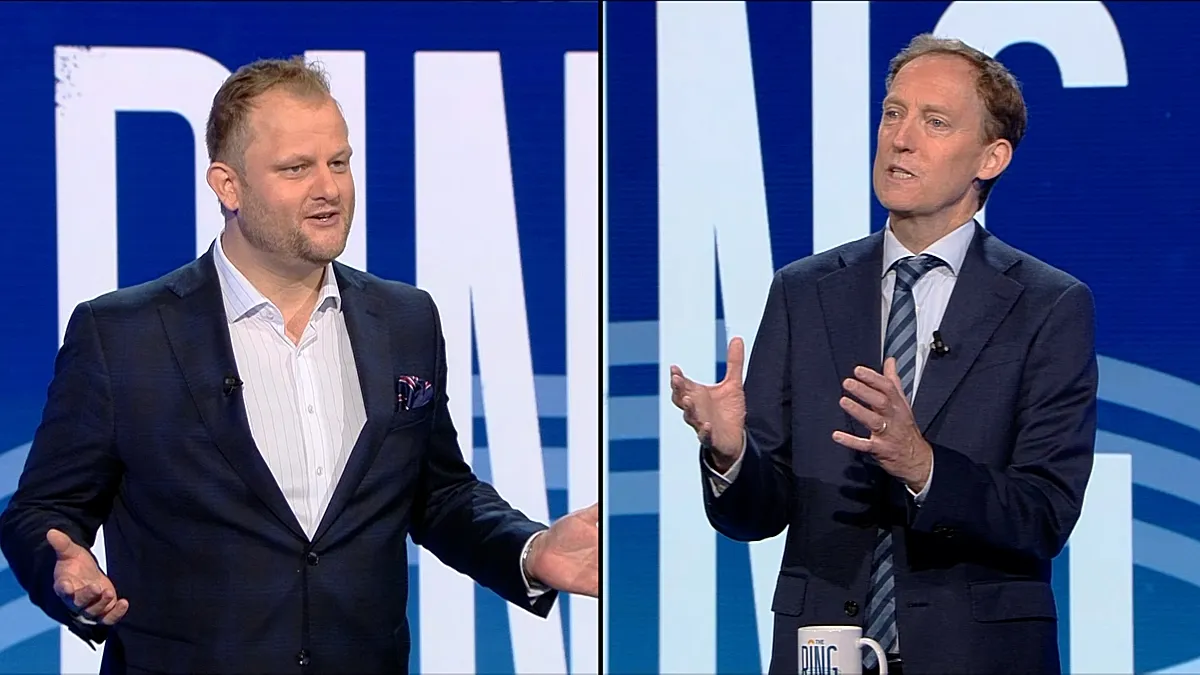
Has Brexit made Europe stronger or weaker – A decade has passed since the United Kingdom cast its vote to depart from the European Union, yet the discourse surrounding Brexit’s impact remains fiercely contested. As the bloc continues to grapple with the aftermath of the decision, two European Parliament members have taken to the stage of The Ring to debate whether the UK’s exit has ultimately bolstered or undermined the unity of Europe. The discussion, which took place on June 24, 2026, centered on the long-term implications of Brexit and the possibility of the UK’s return to the EU. With the stakes high and perspectives divided, the exchange highlighted both the challenges and opportunities that have emerged since the referendum.
Barry Andrews: Brexit as a “total disaster” for the UK
Irish MEP Barry Andrews, representing Renew Europe, has remained a vocal critic of Brexit, describing it as a “total disaster” that has destabilized the United Kingdom. In the debate, he pointed to the country’s economic struggles and political fragmentation as key indicators of the decision’s negative consequences. Andrews emphasized that the UK’s departure from the EU has led to years of uncertainty, with institutions like the European Parliament now tasked with addressing the void left by Britain’s absence. “The UK has lost its place at the table, and the ripple effects are still being felt,” he said, citing increased trade barriers and a decline in industrial investment.
“There is nobody now seeking to exit the European Union,” Andrews declared, suggesting that the UK’s isolation has made the EU more resilient. He argued that the crisis has galvanized support for the European project, with member states recognizing the importance of collective unity in the face of external pressures. “Brexit has proven that the EU is not just a political entity, but a necessary framework for stability and cooperation,” he added.
Andrews also highlighted the personal toll of Brexit, noting how it has disrupted the lives of ordinary citizens. He cited the logistical complexities of the Irish border and the challenges faced by businesses navigating new regulatory frameworks. “The UK’s exit has created a narrative of division,” he said, “but this division has only served to strengthen the resolve of those who remain committed to Europe.” His perspective underscores a broader sentiment among pro-EU advocates that Brexit has acted as a catalyst for deeper European integration.
Sander Smit: A Missed Opportunity for Fiscal Discipline
In contrast, Dutch MEP Sander Smit of the European Conservatives & Reformists took a more nuanced stance, acknowledging the UK’s contributions to European policy. He argued that Brexit has not weakened the EU but has instead exposed its need for a stronger partnership with former members. “The UK’s departure has revealed the EU’s vulnerabilities,” Smit stated, “particularly in areas where fiscal and financial discipline were once championed by British voices.”
“Our future lies in a stronger partnership,” Smit asserted, urging EU nations to embrace collaboration with the UK as a sovereign ally. He warned against the risks of a more centralized Europe, suggesting that the UK’s flexibility and pragmatic approach could offer valuable lessons. “The EU has become overly bureaucratic, and the UK’s absence has forced us to rethink our strategies,” he said, emphasizing the importance of maintaining a balance between regulation and autonomy.
Smit also challenged the notion that Brexit has unified Europe, pointing to lingering divisions within the EU itself. He argued that the UK’s exit has allowed member states to prioritize their own interests without the constraints of British influence. “While the UK may have left, its legacy remains in the way we approach European governance,” he noted. His arguments reflect a growing debate about the role of external actors in shaping the EU’s future and whether the bloc can adapt to a changing geopolitical landscape.
The Ring: A Platform for European Dialogue
Hosted by Méabh Mc Mahon, The Ring has become a prominent stage for political discourse within the European Parliament. The format, which combines debate with theatrical elements, aims to make complex issues more accessible to the public. This episode, produced by Luis Albertos Altarejos and Amaia Echevarria, and edited by Vassilis Glynos, drew attention to the evolving dynamics between the UK and the EU. The show’s producers emphasized that the debate was designed to reflect the diverse opinions within the European Parliament, ensuring that both sides of the argument were given equal weight.
The discussion also touched on the potential for reconciliation. While Andrews dismissed the idea of the UK’s return as a mere possibility, Smit framed it as an opportunity for renewed collaboration. “The UK and the EU must move beyond the past and build a new relationship rooted in mutual respect,” he said. This sentiment resonates with many who believe that Brexit, though divisive, has ultimately strengthened the EU’s capacity to adapt and evolve.
As the debate concluded, the audience was left with a clear message: Brexit has reshaped Europe’s identity, but its long-term effects depend on how the bloc and its former member navigate the path forward. With the UK still an influential player on the global stage, the question of whether it will ever return to the EU remains open. For now, the focus is on ensuring that Europe remains a cohesive and resilient force in an ever-changing world.
Further analysis of the debate revealed that both Andrews and Smit agreed on one point: the UK’s exit has forced Europe to confront its internal challenges. Andrews praised the EU’s ability to withstand the crisis, while Smit credited the UK’s departure with prompting a reevaluation of European priorities. “Brexit has been a mirror, reflecting the strengths and weaknesses of the union,” Smit observed. This duality—of loss and growth—has become a defining feature of the post-Brexit era.
Meanwhile, the broader European public continues to weigh the costs and benefits of the UK’s exit. While some celebrate the new sense of independence, others lament the erosion of shared goals. The debate on The Ring captured this tension, with the two MEPs offering contrasting visions for the future. As the discussion unfolded, it became evident that Brexit’s legacy is not a fixed outcome but a continuing process of adaptation and reflection. The stage is now set for Europe to determine whether its unity will prevail in the face of evolving challenges.