Why is gold falling as inflation rises? The inflation hedge myth, explained
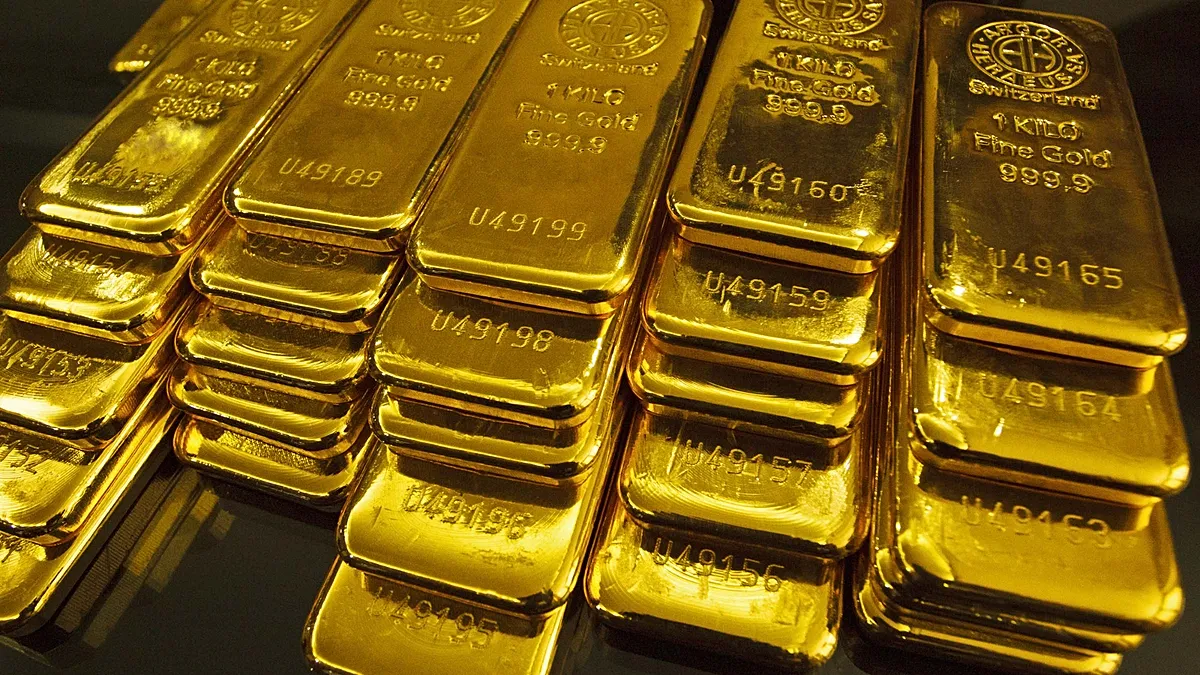
Why is gold falling as inflation – Despite inflation reaching its peak in three years, gold is currently in a downward spiral, marking its fourth consecutive monthly decline. The metal, traditionally seen as a bulwark against rising prices, is now trading at about a quarter less than the record levels it hit in January 2026. This apparent contradiction has sparked questions about the reliability of gold as an inflation hedge. The answer lies in a fundamental misunderstanding of how gold functions in the financial landscape.
The Misconception of Gold as an Inflation Hedge
Gold has long been viewed as the ultimate safeguard against price surges. However, its performance isn’t always aligned with inflation trends. The key factor is the opportunity cost of holding gold. Unlike bonds or equities, gold doesn’t generate income through coupons or dividends. This means its value is closely tied to the returns available in other investments. When interest rates are low, the cost of owning gold is minimal. But as yields rise, investors become more inclined to allocate funds to assets that offer better returns, weakening gold’s appeal.
Consider equities as a parallel example. During periods of strong economic growth, companies grow profits and distribute dividends. This makes holding gold less attractive, as investors seek higher returns. The same dynamic applies to bonds. If central banks raise rates, the real yield on government debt increases, further reducing the incentive to hold gold. The current economic climate reflects this principle, with markets favoring assets that provide tangible returns over the passive value of gold.
Rising Inflation and Central Bank Policy
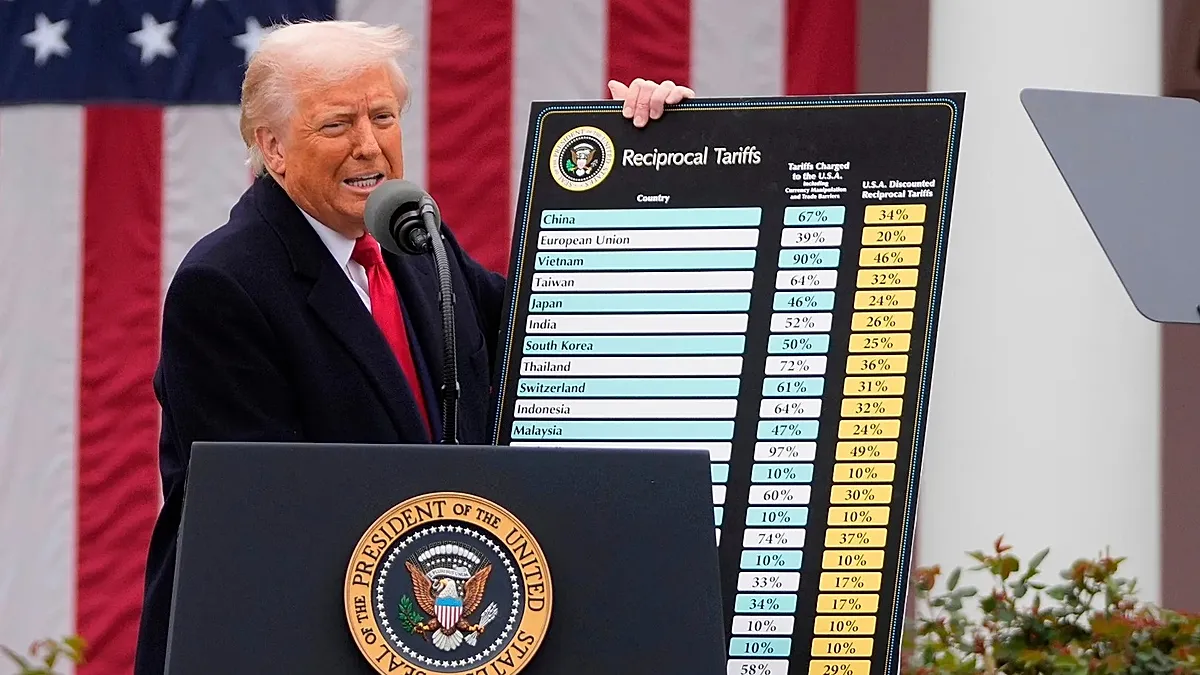
US inflation is now at its highest level in three years, driven by a combination of factors. Energy prices have surged due to tensions with Iran, and lingering tariffs continue to fuel cost pressures. Central banks are responding by maintaining tight monetary policies, which contrasts with the inflationary environment. The European Central Bank has already raised interest rates in June, while the Federal Reserve, under its new chair Kevin Warsh, has signaled a more aggressive stance. This shift has reshaped market expectations, moving away from the previous anticipation of rate cuts.
Warsh’s approach has been clear: inflation is a choice, not an accident. In his first meeting, he emphasized that the Federal Reserve would deliver price stability through decisive action. This hawkish rhetoric has dispelled the earlier dovish narrative, with nine policymakers now projecting rate hikes this year. The implications are immediate. Fed funds futures now suggest one increase by September and two by the end of 2026, a stark reversal from the cuts that were once widely expected.
Analyst Revisions and Market Repricing
Investors have quickly adjusted their forecasts in response to these policy shifts. Goldman Sachs, for instance, has revised its gold price outlook for December 2026, lowering it from $5,400 to $4,900 per ounce. The bank attributes this to the unexpected hawkishness of the Fed and the delay in rate cuts. In a more aggressive scenario, where hikes materialize as anticipated, gold could fall further, reaching $4,440. Meanwhile, commodity analysts at Bank of America now consider a price surge to $6,000 unlikely in the near term.
“The increased probability of rate hikes into December 2026 has been closely correlated with a decline in gold prices. Or, put a different way, the shift from ‘inflationary cuts’ to tighter monetary policy reduces gold upside by around 50%, all else equal,” said Bank of America analyst Michael Widmer in a recent report.
These adjustments highlight the evolving relationship between gold and inflation. Historically, gold performs best when inflation is high and central banks are slow to respond. In the 1970s, for example, soaring prices and delayed monetary policy led to a surge in gold demand. Investors flocked to the metal as a safe haven when other assets failed to provide protection. But today’s environment is different. With inflation relentless and central banks actively managing it, the conditions that once favored gold are no longer as prevalent.
Gold’s Role in Different Economic Contexts
Gold’s strength is not solely linked to inflation. It also thrives in times of economic uncertainty, when equity markets fluctuate and investors seek stability. However, when growth remains robust and profits climb, gold’s appeal diminishes. This dynamic is evident in the first quarter of 2026, where S&P 500 earnings per share jumped 25% year-over-year. Analysts anticipate double-digit earnings growth to persist through 2027, reinforcing the case for equities over gold.
Central banks play a pivotal role in this equation. Their decisions on interest rates directly impact gold’s value. When rates are cut, real yields drop, making gold more attractive. Conversely, rate hikes increase the opportunity cost of holding gold, pushing investors toward other assets. The Fed’s recent pivot toward tighter policy has therefore created a headwind for gold, even as inflation remains elevated.
Despite these challenges, gold isn’t entirely out of the picture. Its value still hinges on specific conditions: when inflation is not only high but also persistent, and when central banks are hesitant to act. The current situation sees inflation rising, but with policy measures in place to counteract it, gold’s traditional role as a hedge is being reevaluated. Investors are now more focused on assets that offer growth potential, even in a high-inflation environment.
The Path Forward for Gold
Looking ahead, the trajectory of gold will depend on how inflation and monetary policy evolve. If the Fed continues its hawkish approach, gold may struggle to regain its former strength. However, if inflation outpaces policy responses or if economic growth slows, the metal could once again attract attention. The lessons from the 1970s remain relevant, but they are being applied in a new context where central banks have more tools at their disposal and markets are more responsive to changes in policy.
In conclusion, gold’s performance during inflation is not automatic. Its value is influenced by a complex interplay of factors, including the returns available in other assets, central bank actions, and market sentiment. While the inflation hedge myth has been challenged, gold still holds value in certain scenarios. Understanding these nuances is key to navigating the current economic landscape and making informed investment decisions.