Twelve EU Countries Seek Green Funds for Energy Transition Beyond 2030
Twelve EU countries seek green funds – Twelve European Union nations are pushing to extend access to green funding past 2030, aiming to sustain progress toward climate goals. A recent letter to the European Commission, revealed by Euronews, highlights the urgency for continued financial support as these countries face the complexities of transitioning to cleaner energy systems. The signatories—Croatia, Bulgaria, the Czech Republic, Estonia, Greece, Hungary, Latvia, Lithuania, Poland, Romania, Slovakia, and Slovenia—argue that the Modernisation Fund remains vital to their economic stability and energy security. By maintaining funding, they hope to bridge gaps in renewable infrastructure and reduce dependency on fossil fuels.
The Modernisation Fund’s Role in Climate Progress
Established in 2021, the Modernisation Fund has served as a critical financial instrument for less economically developed EU member states. It operates by auctioning a portion of the European Union Emissions Trading System (ETS) carbon credits, generating over €57 billion in allocations between 2021 and 2030. This funding has enabled projects ranging from wind and solar energy installations to energy efficiency upgrades. However, the fund is set to expire by 2030, prompting concerns among the twelve nations that its termination could stifle ongoing decarbonisation efforts.
With energy prices fluctuating due to geopolitical tensions and supply chain issues, the need for prolonged financial assistance is underscored. These countries stress that the Modernisation Fund’s adaptability has allowed them to manage transition challenges effectively. “The fund has been a strategic enabler, allowing us to invest in projects that align with both economic and environmental priorities,” a statement from the letter emphasizes. It also notes that the fund’s streamlined process minimizes bureaucratic hurdles, ensuring timely implementation of climate initiatives.
Industry and Infrastructure Pressures
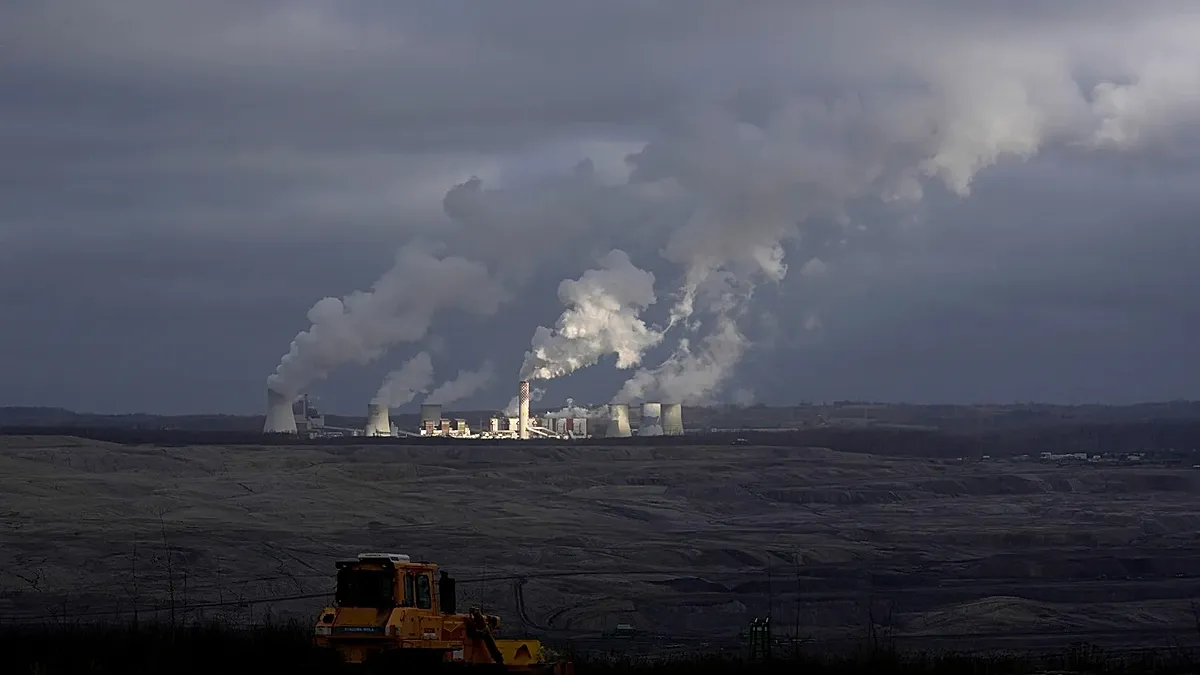
The twelve nations have expressed particular worries about the impact of energy transition on industries reliant on traditional fuels. Poland, for instance, remains heavily dependent on coal for power generation and employment, while countries like Bulgaria and Romania grapple with aging infrastructure and limited investment. The Modernisation Fund has been pivotal in supporting these regions, enabling critical projects that might otherwise be unattainable. “Without this support, the pace of decarbonisation could slow significantly,” the letter adds, highlighting the fund’s role in maintaining economic balance during the transition.
Climate Action Commissioner Wopke Hoekstra is now tasked with reviewing the fund’s future. The twelve countries argue that its current framework has proven effective in achieving climate and energy targets. They believe that extending its scope beyond 2030 would ensure consistent progress, particularly as the EU prepares for its next climate milestones. “The Modernisation Fund not only accelerates decarbonisation but also reinforces the EU’s governance structure by aligning national efforts with bloc-wide objectives,” the document states.
Gligor Radečić of the Central Eastern Europe Bankwatch Network warns that scaling back the ETS could jeopardize the fund’s viability. He points to the ETS as a cornerstone of the EU’s climate strategy, noting that reducing its scope would diminish financial resources for transition projects. “If the ETS is weakened, the Modernisation Fund may struggle to deliver the necessary support,” Radečić said. His comments align with the broader concerns of the twelve nations, which view the ETS as essential for maintaining a sustainable energy future while ensuring economic resilience.
As the EU gears up for updates to its emissions trading system on 15 July, the twelve countries are advocating for a renewed commitment to green funding. Their letter underscores the importance of preserving mechanisms that allow for targeted investments in renewable energy and energy efficiency. By doing so, they aim to secure a pathway for long-term climate success without compromising the economic stability of their regions.