Iran Vigorously Refutes US Stance, Emphasizes Its Interpretation of the Framework Agreement
Iran sharply contradicts the US pushing – Hours following the conclusion of US-Iran talks in Switzerland, Iranian officials swiftly dismissed American claims, asserting their own version of the recently signed framework deal. This move has sparked tensions with US President Donald Trump, who expressed frustration over what he deemed “false statements” from Tehran on critical unresolved issues. These include nuclear inspections by international watchdogs, the unfreezing of financial assets, and the lifting of sanctions, as well as the Israeli military campaign against Hezbollah in Lebanon. Trump’s ire was compounded by Iran’s simultaneous commitment to its interpretation of the agreement, which he believes undermines the US position.
Trump Condemns Iran’s “False Statements” and Praises Concessions
Speaking on his Truth Social platform, Trump accused Iran of providing “false statements” to downplay the US’s success in the negotiations. He highlighted that Tehran had “fully and completely agreed to highest level nuclear inspections long into the future,” a stance he claims ensures “nuclear honesty.” Trump insisted that without this agreement, further talks would have been impossible. He also credited Iran for “other major concessions,” such as allowing the Hormuz Strait to stay open without a naval blockade. However, he clarified that the US retains the authority to reinstate the blockade if needed, though such a scenario appears “highly unlikely” at this stage.
Trump’s remarks underscored his belief that the framework deal represents a strategic victory for the US. He argued that Iran’s resistance to certain conditions—like inspections of nuclear sites—was a deliberate effort to diminish American achievements. “Despite their protestations and false statements to the contrary, coupled with the drumbeat of the fake news, which is doing everything possible to make the US victory as small and insignificant as possible, Iran has fully and completely agreed to highest level nuclear inspections long into the future (infinity!!!),” Trump wrote. This statement, quoted directly, reveals his determination to frame the deal as a triumph over Iran’s “nuclear ambitions.”
Iran’s Rapid Diplomatic Push and Negotiation Strategy
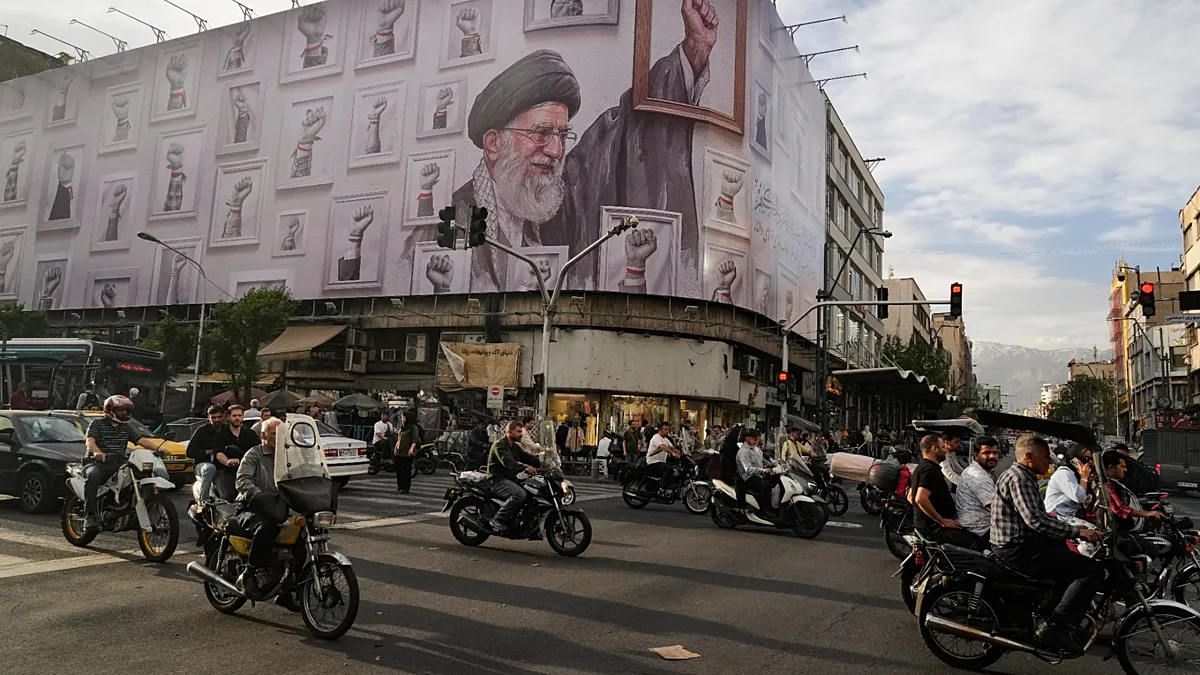
Iran’s leadership has taken a proactive approach to shape the narrative of the agreement. President Masoud Pezeshkian swiftly traveled to Pakistan, a key mediator, while chief negotiators Mohammad Bagher Ghalibaf and Foreign Minister Abbas Araghchi engaged in discussions in Oman. Their focus was on the “joint management” of the Strait of Hormuz, a vital waterway for global trade. Pezeshkian emphasized that progress hinges on the “precise implementation” of all commitments, warning against interpretations that exceed the agreed text. This stance signals Iran’s desire to assert control over the framework’s execution, ensuring its priorities remain central.
The IAEA’s role in nuclear oversight has become a focal point of contention. Iran’s Foreign Ministry spokesman, Esmail Baghaei, contradicted US Vice President JD Vance by stating that no visits to inspect sites damaged during the June US strikes had been planned. He noted that parts of Iran’s nuclear material stockpile, which the US accuses of being upgraded to weapons-grade, remain buried under rubble. Baghaei reiterated that Iran has “no plans to allow IAEA inspectors to enter nuclear sites that were damaged during the war,” a statement that directly challenges US claims of transparency. He further argued that Iran had made “no new commitments” on nuclear materials, a demand Washington views as crucial for long-term security.
Diverging Views on the Framework Deal’s Scope
While the framework deal was finalized, the interpretation of its terms has led to divergent positions. Vance, during Monday’s talks, stated that the agreement had secured IAEA access to the sites. However, Iran insists the “nuclear issue” discussions will only begin once all other clauses are resolved. Baghaei described US assertions about Iran’s nuclear commitments as “very damaging,” suggesting they exaggerate Tehran’s intentions. He also labeled IAEA inspectors as “America’s foot soldiers,” implying they would infringe on the memorandum of understanding (MOU) if granted unrestricted access.
Iran’s insistence on maintaining its missile capabilities has further complicated the agreement. Ghalibaf, who also serves as a chief negotiator, stated that the two sides “did not discuss our missile capabilities during the negotiations and we will not discuss this issue with anyone in the future.” This declaration highlights Iran’s focus on preserving its military independence, even as it engages in concessions on nuclear and economic matters. The US, meanwhile, has emphasized the importance of monitoring missile programs to ensure compliance with the deal.
Implementation of the Memorandum and Future Challenges
The implementation of the memorandum of understanding has begun, with both nations establishing a joint oversight mechanism and four specialized working groups. This marks the start of a 60-day diplomatic process aimed at finalizing a permanent agreement to resolve the Iran war. Despite this progress, significant disagreements persist. Iran has rejected the notion of creating nuclear weapons, instead insisting on its right to maintain a stockpile of radioactive materials. The country has also announced that it will decide the use of unfrozen funds “with no restrictions on how they can be spent,” a move that contrasts with Trump’s assertion that the released money would be placed in escrow for U.S.-sourced supplies.
As the framework deal moves forward, the question of who controls its interpretation remains unresolved. Iran’s swift diplomatic actions suggest a strategic effort to redefine the agreement’s terms, while the US continues to push for adherence to its vision of accountability. The Hormuz Strait, a symbol of economic and strategic importance, now stands at the center of these debates. With the US allowing the strait to remain open and Iran vowing to manage it independently, the next steps will likely hinge on mutual trust and the resolution of lingering disputes.
The ongoing dialogue between the two nations reveals a complex interplay of compromise and defiance. While both sides have made concessions, the framework deal’s success depends on the ability to align on core issues. Iran’s rejection of the IAEA’s role in inspecting nuclear sites, combined with its stance on missile capabilities, indicates a determination to maintain sovereignty over its strategic decisions. Meanwhile, the US seeks to ensure that Iran’s nuclear program remains transparent, with Trump’s strong language signaling his belief in the agreement’s significance. As the 60-day process unfolds, the real test of the framework will be whether both nations can navigate their differences without undermining the fragile progress made.
In summary, the framework deal represents a critical but contentious milestone in US-Iran relations. Tehran’s rapid assertion of its own interpretation, coupled with its refusal to accept certain conditions, highlights the challenges of reaching a lasting agreement. The interplay between Trump’s public declarations and Iran’s quiet diplomacy underscores the dynamic nature of the negotiations. With the memorandum in place and the groundwork laid for a permanent deal, the path forward will require careful balancing of interests, ensuring that the framework’s commitments are met without compromising either nation’s strategic goals.