
Fact check: How can a country actually withdraw from NATO?
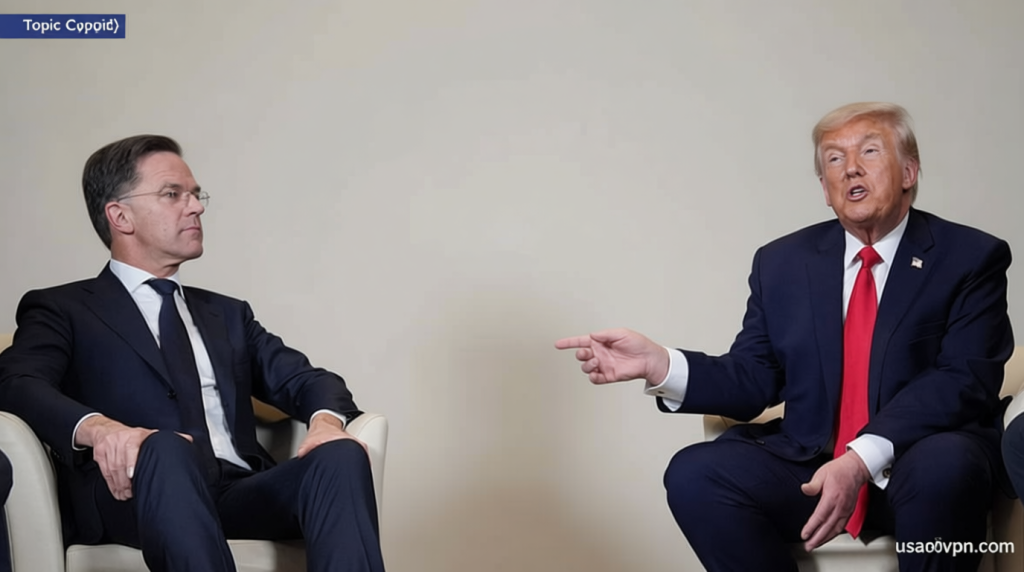
Fact Check: How Can a Country Actually Withdraw from NATO?
Recent discussions about NATO’s future have centered on U.S. President Donald Trump’s growing criticisms of the alliance. His comments, particularly in the context of ongoing conflicts in the Middle East, have raised questions about the possibility of a nation leaving the North Atlantic Treaty Organization. While some argue it’s impossible, others suggest the U.S. president could act unilaterally. To clarify, the actual process for withdrawal is outlined in the 1949 treaty.
The Legal Framework for Withdrawal
According to Article 13 of the North Atlantic Treaty, any country wishing to exit must provide formal notice to the U.S. This triggers a one-year period before the withdrawal becomes official. The process is straightforward for member states like European nations and Canada, as long as they comply with their domestic legal procedures.
However, the U.S. holds a unique position: it is both a member and the treaty’s depositary. This means the country manages the agreement’s texts and handles notifications for withdrawal. Despite this, the U.S. is not entirely free to act alone, as domestic laws add layers of complexity.
Domestic Legal Hurdles
In 2023, President Joe Biden signed an amendment to the National Defense Authorization Act for Fiscal Year 2024, which blocks a president from withdrawing from NATO without a two-thirds Senate majority or congressional approval. This legislation also restricts the use of federal funds to support such a move.
“The law makes it formally very difficult for the president to take the U.S. out of the treaty,” noted Rafael Loss, a policy fellow at the European Council on Foreign Relations. “There might be differing interpretations of the president’s legal authority, especially if Trump were to attempt it.”
Loss highlighted that any formal withdrawal would likely face legal challenges, possibly reaching the Supreme Court. The U.S. government would argue that the president, not Congress, has the power to exit the treaty. Meanwhile, other statutes tied to NATO, such as those on funding and defense obligations, could also be scrutinized.
Strategic Implications of a U.S. Exit
Experts warn that even a symbolic withdrawal—such as significantly reducing U.S. contributions or abandoning Article 5 commitments—could undermine NATO’s effectiveness. While the formal process requires Senate approval, the U.S. might still leave the alliance in a way that leaves its partners uncertain.
“Trump can’t legally withdraw from NATO without Senate consent,” said Ian Bremmer, founder of Eurasia Group. “But if NATO members can’t trust the U.S. to uphold Article 5, the alliance is already weakened in practice.”
Loss added that a formal exit would cause “tremendous damage” to NATO, but it could offer clarity. A non-committal U.S. presence might signal a shift in priorities without fully severing ties, providing notice to allies while maintaining a strategic foothold.