EU ‘Reconsidering’ July 22 Summit Following Starmer’s Exit Plan Announcement
EU re assessing summit with UK after – The planned summit between the European Union and the United Kingdom, initially set for July 22, is now in jeopardy after UK Prime Minister Keir Starmer unveiled his timetable for leaving the premiership earlier this week. Brussels has confirmed that the event is under review, with European Commission spokesperson Paula Pinho stating that officials are evaluating the possibility of proceeding as originally scheduled.
EU’s Reassessment
“We are re-assessing with President Costa and the UK the opportunity of still holding the summit as had been announced last week,” Pinho said in response to a query from Euronews. The statement comes amid growing uncertainty about the timing of the summit, which had been finalized just days prior during a meeting between Starmer and European leaders at the G7 summit in France.
“We will take it from here,”
Pinho added, emphasizing that decisions will hinge on the evolving situation within the UK government. The summit, the second of its kind since Brexit, was intended to be a critical step in mending relations between the two nations, which have remained tense following the UK’s departure from the EU.
Starmer’s Priorities and Pre-Summit Diplomacy
Starmer’s administration had made rebuilding post-Brexit ties with the EU a central goal of its mandate. Key objectives included strengthening trade agreements, harmonizing electricity markets, and enhancing youth mobility programs. These initiatives were expected to culminate in a major breakthrough by the time of the July 22 summit, with officials working tirelessly to secure commitments from both sides.
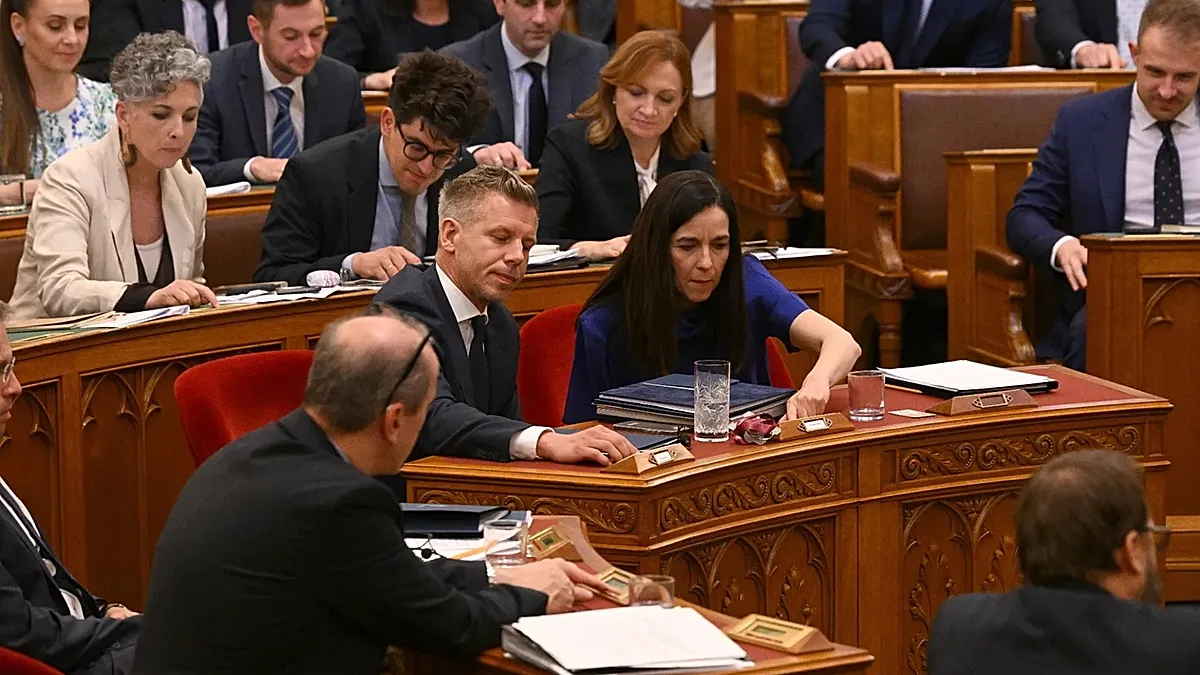
However, Starmer’s announcement of his departure has disrupted these efforts. The UK’s decision to hold a new election before the summit has introduced new variables, with the prospect of a leadership change raising questions about the continuity of the current policy direction. One EU official, speaking anonymously, suggested that the summit might be delayed, citing the instability in UK political affairs.
The G7 Confirmation and Political Shift
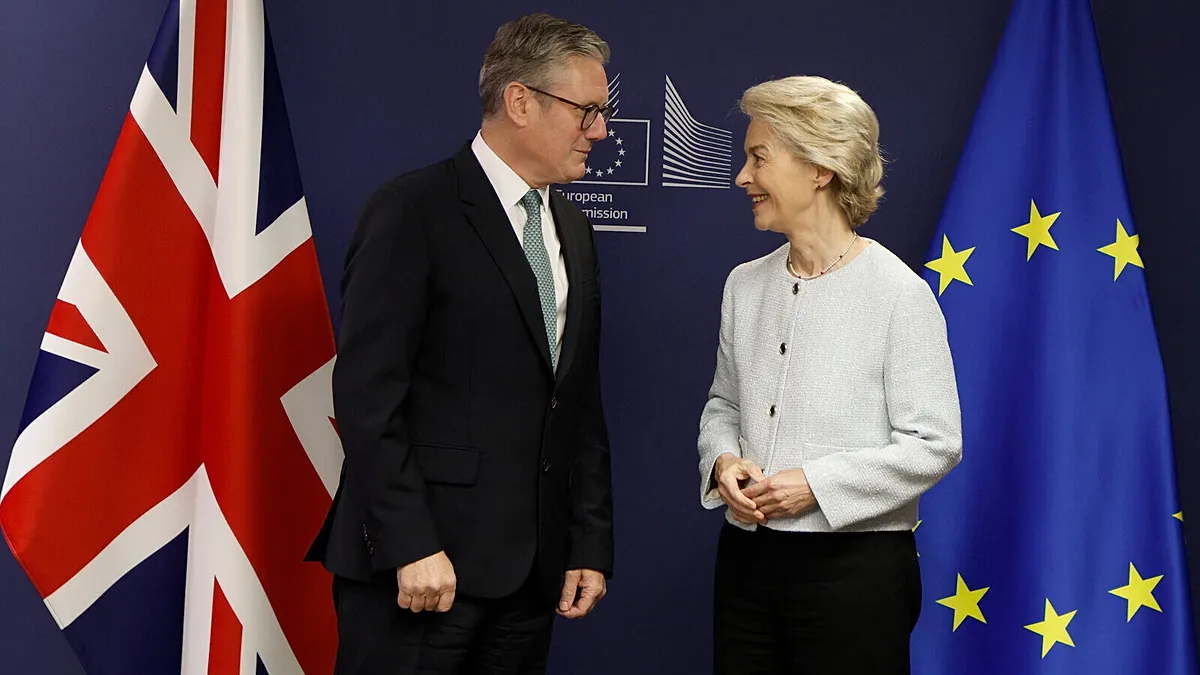
The summit’s date was formally confirmed last week during discussions at the G7 summit in France, where Starmer met with President Ursula von der Leyen of the European Commission and President António Costa of the European Council. At that time, both parties expressed optimism about the talks. But this confidence has since wavered as Starmer’s government faces internal pressure.
Starmer, who won a landslide victory in the July 2024 UK General Election, had campaigned on a platform of reconciliation with the EU. His manifesto promised to move beyond years of discord and forge a more cooperative relationship. Yet, his government has maintained firm positions on key issues, such as rejecting EU Single Market and Customs Union membership, which have kept negotiations challenging.
Burnham’s Rise as Likely Successor
With Starmer stepping down, the race for leadership has shifted dramatically. Andy Burnham, the former mayor of Greater Manchester, has emerged as the frontrunner to succeed him. His victory in the Makerfield by-election last Thursday has bolstered his position, securing him a parliamentary seat and positioning him to challenge Starmer’s leadership. This development has raised the likelihood of Burnham taking the helm as early as mid-July, just five days before the summit is scheduled.
Wes Streeting, the former health minister who resigned in May, has publicly endorsed Burnham’s candidacy, signaling a consensus among potential contenders. While Burnham has not yet committed to reversing the Brexit decision, his recent statements suggest he may seek a closer alignment with the EU without fully abandoning the UK’s current trajectory. This ambiguity has left EU officials cautious about predicting the next steps.
Starmer’s Election Promise and Burnham’s Ambiguous Stance
Starmer’s 2024 campaign promised a new chapter in the UK-EU relationship, aiming to address lingering grievances and strengthen economic ties. Despite this vision, his government has been resolute in its refusal to join the Single Market or Customs Union, requiring a series of sector-specific deals to maintain trade relations. UK Minister for EU Relations Nick Thomas-Symonds, who has led negotiations, expressed confidence in these efforts during a conversation with Euronews last Tuesday.
“Both sides are capable of closing a series of new pacts in time for the summit,” Thomas-Symonds asserted. However, the recent political developments have cast doubt on this timeline. Burnham’s potential leadership could bring a new dynamic to the talks, as his positions on EU integration remain unclear. While he has ruled out a full relapse into Brexit debates, his past rhetoric about rejoining the EU by the end of his lifetime hints at a more flexible approach.
The summit, once a symbol of progress, now hangs in the balance as the UK faces a leadership transition. The EU’s cautious stance reflects the complexity of the situation, with officials aware that the outcome will depend on domestic political movements in the UK. As the countdown to the summit continues, the focus shifts to whether Burnham’s administration will prioritize continuity or pursue a new path in the UK-EU relationship.