
Russian students duped into signing contracts with military
Russian Students Duped into Signing Contracts with Military
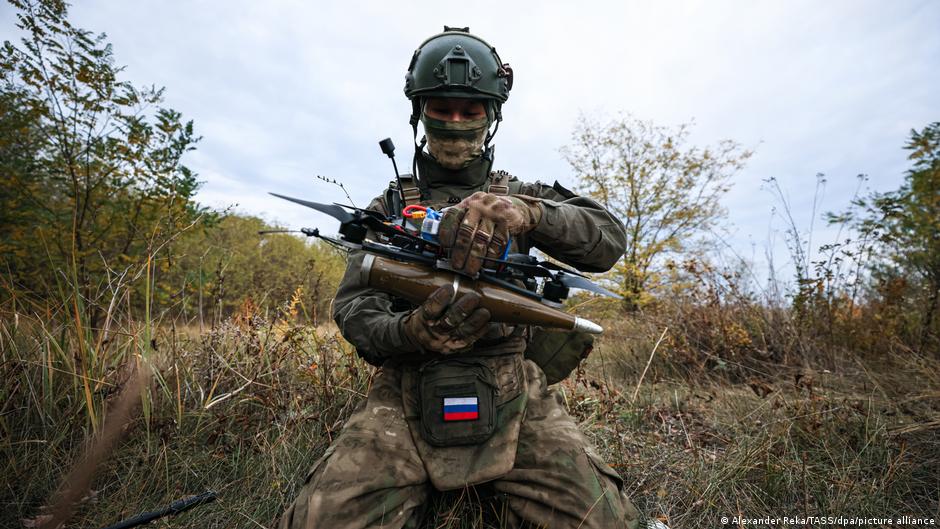
Russian universities are increasingly enlisting students to join drone units deployed in Ukraine. The recruits are enticed with financial incentives and assured they will not be sent to the frontlines. However, reports indicate that these assurances are frequently unfulfilled. Many students are now signing agreements with the Defense Ministry, often under the promise of a one-year service term and free tuition after their commitment. Yet, some end up with permanent contracts, facing deployment to high-risk areas in the conflict.
According to university websites and Telegram posts, recruitment efforts have expanded across 23 regions, including Crimea. Educational institutions are hosting meetings with military representatives to promote the benefits of enlistment. Yuri, a Moscow-based university worker who used a pseudonym, described how local leaders were urged to prioritize drone unit recruitment. “Each university has its own approach,” he noted, highlighting that draft boards, veterans of the “special military operation,” and staff collaborate in these discussions.
“There is no standard format for the recruitment, every university has its own,” said Yuri.
Some regions have issued guidelines for universities to follow. Emails from institutions have also been sent to students, offering contracts with the military. T-invariant, an independent media outlet, reported that the scope of recruitment has broadened to include all students, not just those in technical fields. Quotas have been assigned, with students pressured through financial rewards and threats of academic consequences.
“First it was students from technical universities, then those facing expulsion, and now it has reached all students,” T-invariant wrote.
Yuri explained that universities face pressure to meet recruitment targets, with some failing to meet quotas risking leadership changes. At his institution, the rate of students facing expulsion has surged, forcing them to choose between signing a drone unit contract or serving in the military. Promotional materials claim students can return to civilian life after a year, but legal experts argue this is misleading.
“Short-term contracts were not in line with current laws,” said Artem Klyga, a lawyer with the Movement of Conscientious Objectors. “The agreements students are signing are effectively open-ended, at least until President Putin ends partial mobilization.”
Klyga further noted that Russian law does not guarantee students will only serve in drone units. If they fail to meet obligations, they may be reassigned to other roles, with no clear path to discharge. These practices have sparked concerns about the true nature of the recruitment drive, blending military service with academic pressures under the guise of opportunity.