
WHO warns of health crisis ‘unfolding in real time’ across Middle East
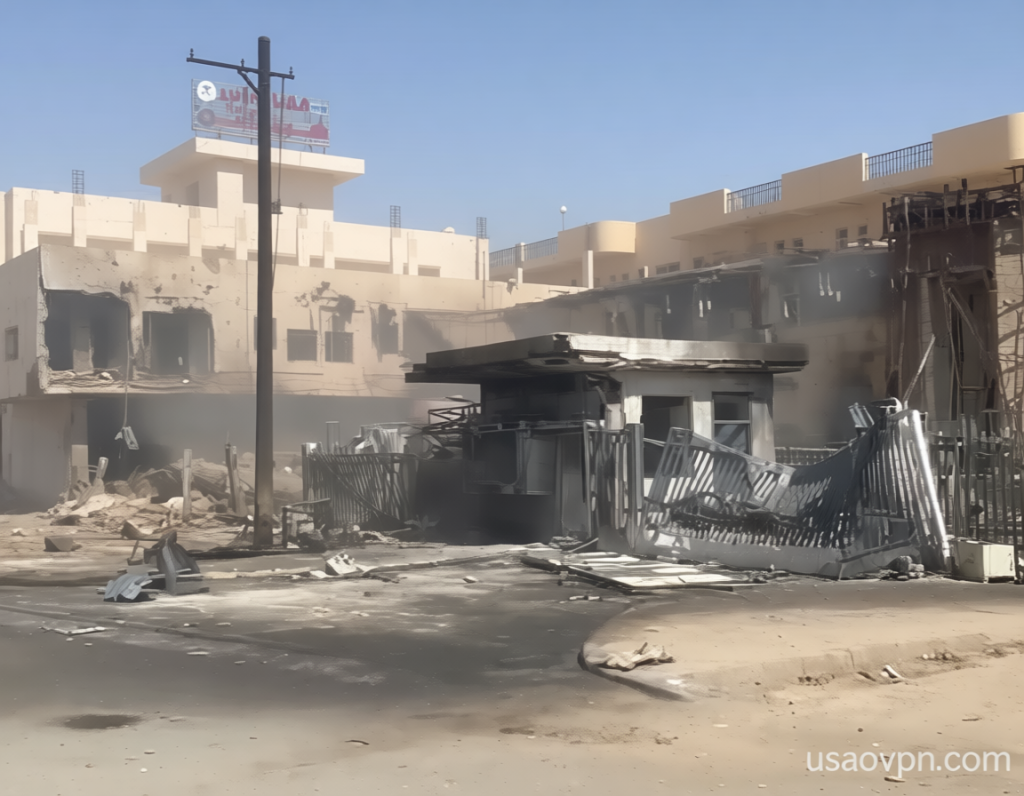
WHO Alarms Over Escalating Health Emergency in Middle East
Dr. Hanan Balkhy, the World Health Organization’s regional director for the Eastern Mediterranean, has called for an immediate halt to hostilities in the Middle East to prevent a “health crisis unfolding in real time.” She emphasized the urgent need to protect healthcare facilities, labeling them as “safe havens” amid ongoing attacks. According to Balkhy, officials are refining guidance to address potential threats to nuclear sites, with strikes on water desalination plants posing a severe risk.
The Middle East, encompassing 22 countries and territories, includes Iran, Gulf states, Gaza, Sudan, and Afghanistan. Balkhy noted that while the situation had been challenging for some time, the current state represents a full-blown regional health crisis. “This is not merely about loss of life,” she stated. “It’s about the complete breakdown of healthcare access across multiple dimensions, far exceeding our previous expectations.”
Humanitarian Toll and Displacement
Recent conflicts have displaced over 3.2 million people in Iran and more than 1 million in Lebanon, according to official reports. Balkhy highlighted that disruptions to treatment have worsened for those with chronic illnesses, compounded by the forced relocation of populations. “Hospitals are closing, and people are fleeing their homes,” she explained. “The consequences are devastating, especially for vulnerable groups.”
The US-Israel conflict with Iran has resulted in over 1,000 deaths in Lebanon, 1,500 in Iran, and 16 in Israel. Additional casualties have been reported in the West Bank and Gulf Arab states. Balkhy stressed that even after hostilities cease, the effects of these conflicts will persist, impacting maternal mortality, mental health, and children’s education.
Threats to Critical Infrastructure
Balkhy expressed particular concern over nuclear facilities, warning of potential strikes that could trigger catastrophic health outcomes. “Whether intentional or accidental, a hit on nuclear sites would be disastrous,” she said. The Bushehr nuclear power plant in Iran was reportedly targeted twice recently, once on Tuesday night and another on 17 March. “I am preparing for the worst,” she added, “and ensuring my teams are ready for any scenario.”
“My worry is driving me to prepare and to have my teams prepare. And that’s what we’re doing.”
She also warned that attacks on oil or nuclear sites could contaminate underground water sources, rendering rainwater unsafe. “Even if other water sources remained available, they could become polluted,” she said. This has intensified the urgency for a temporary ceasefire or pause in the war’s escalation.
Overlooked Crises in Gaza, Sudan, and Yemen
Balkhy pointed out that the crises in Gaza, Sudan, and Yemen are receiving less attention as global focus shifts to the US-Iran conflict. “It is deeply troubling,” she remarked. “Behind this neglect, countless lives are suffering, with many deaths and illnesses going unnoticed.” The WHO has documented numerous attacks on healthcare infrastructure in Lebanon, Iran, and Israel since the war began. A recent strike on El-Daein teaching hospital in East Darfur, Sudan, killed at least 70 individuals, including 13 children, 2 nurses, and a doctor, leaving the facility inoperable.
She urged the international community to prioritize healthcare security, ensuring that hospitals, staff, and patients are not targeted. “Let’s secure the healthcare sector,” she said. “Let’s not attack medical facilities or those who work within them. We need a safe haven for everyone.”