Russian-occupied Crimea Suspends Petrol Sales Amid Fuel Crisis
Russian occupied Crimea suspends petrol sales – Starting on Sunday morning, petrol sales in Crimea, which is under Russian occupation, will be halted as the region faces a worsening fuel shortage. The decision was announced by Sergey Aksyonov, the head of the Russia-annexed territory, who posted on Telegram. According to the statement, “Today, June 21, fuel sales at Crimean gas stations will be suspended for cash, non-cash payments, and vouchers for individuals and legal entities,” he said. Aksyonov emphasized that only government agencies will be allowed to purchase fuel, ensuring the Republic’s operations and security. He urged residents to remain calm during the transition, adding that the measures are temporary.
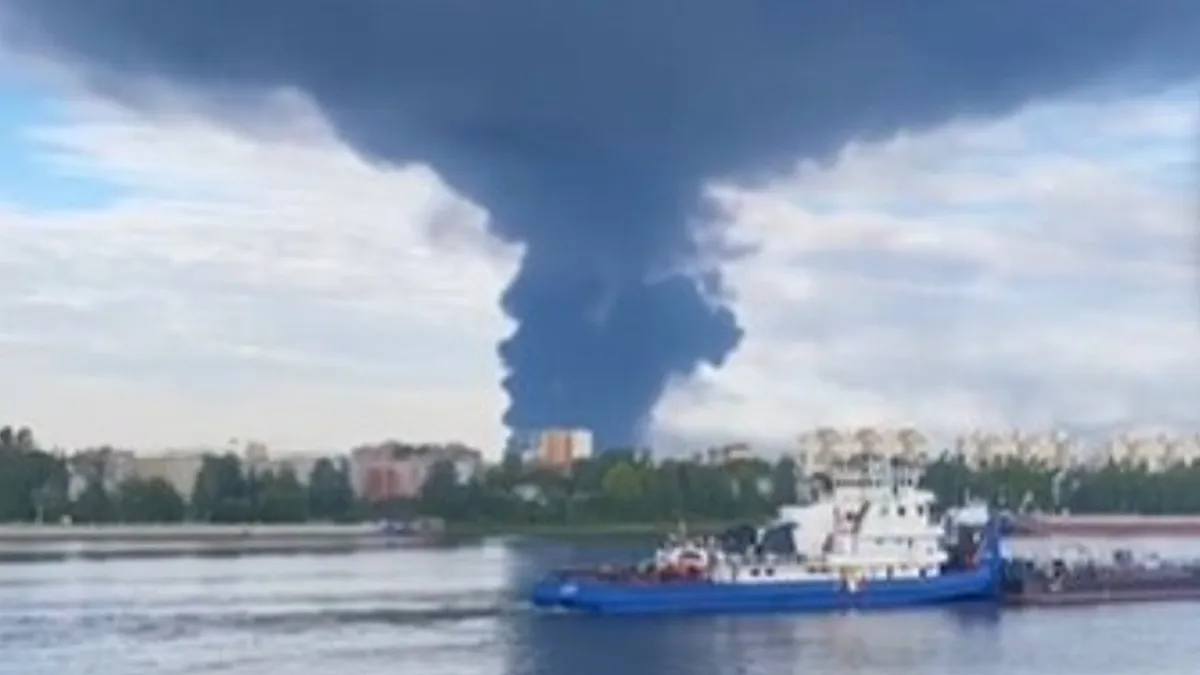
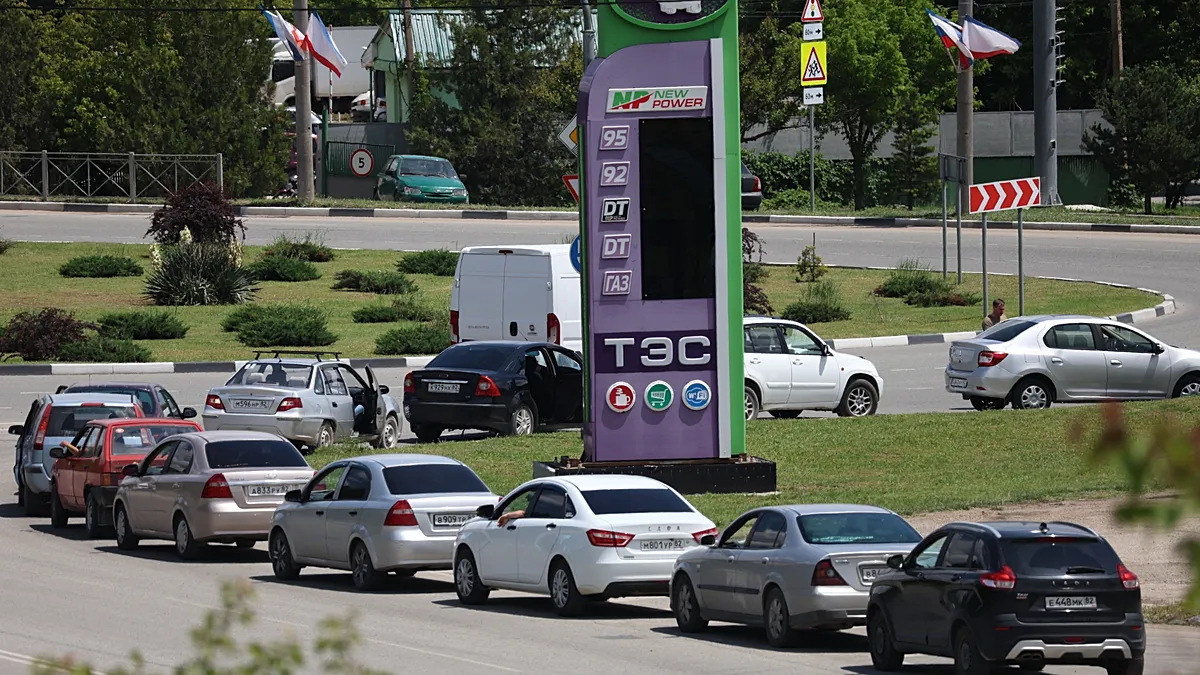
The crisis stems from intensified attacks by Ukraine on Russia’s energy infrastructure, disrupting supply chains to Crimea. Over the past months, Kyiv has launched a series of strikes targeting oil refineries, storage terminals, and fuel trucks delivering to the peninsula. These actions have significantly limited the availability of petrol, leaving many residents stranded. Queues have formed at gas stations, and some stations have run out of stock entirely. The situation has forced local authorities to prioritize fuel distribution for essential services, such as transportation and emergency operations.
Ukrainian President Volodymyr Zelenskyy highlighted the strategic importance of these attacks, stating that his forces had hit facilities “on both sides of the Crimean Bridge.” The bridge connects Crimea to mainland Russia and is a critical route for oil and fuel transport. Zelenskyy mentioned that targets included “maritime logistics used to transport oil in the Krasnodar region and an oil depot in temporarily occupied Kerch.” Such strikes aim to weaken Russia’s ability to sustain its presence in the region, according to Kyiv. The conflict has escalated to the point where energy supplies are now seen as a key battleground.
“Logistics are being cut off,” said Mykhailo Fedorov, Ukraine’s defence minister, in an interview with Pressing on YouTube. “It looks like, in the near future, Crimea will turn into an island.” Fedorov further noted that these efforts could lead to “unexpected consequences for the Russians,” suggesting a potential isolation of the peninsula. The drone attacks, he explained, are part of a broader strategy to disrupt the flow of resources and weaken the occupation’s grip on the region.
Meanwhile, Russian military operations in eastern Ukraine have continued, resulting in casualties. Local authorities reported that three people were killed and 22 injured during recent attacks on the area. Oleksandr Ganzha, the head of the Dnipropetrovsk Regional Military Administration, stated that a wave of strikes on three districts of the region left one person dead and nine wounded. In Poltava, two businesses were targeted on Saturday, with two fatalities and 13 injuries reported by Vitaliy Dyakivnych, the head of the Poltava Regional Military Administration. These attacks, while less prominent than those on energy infrastructure, underscore the ongoing conflict’s reach.
Crimea’s suspension of petrol sales reflects the severity of the supply issue. With limited resources, the government is rationing fuel to maintain critical functions. This move has sparked concern among residents, who rely heavily on consistent access to energy for daily life. The crisis has also raised questions about the sustainability of the occupation, as Russia’s ability to support its military presence in the region is tested. Aksyonov’s announcement comes amid growing pressure on Russia’s logistics network, which has been under siege from multiple fronts.
The fuel shortage in Crimea is a direct result of Kyiv’s focus on disabling Russian energy facilities. By targeting refineries and transport routes, Ukraine has cut off a major source of supply for the occupied territory. The Crimean Bridge, a symbol of Russia’s control over the region, has become a prime target. Strikes on its infrastructure have disrupted the flow of oil from Russia to Crimea, compounding existing shortages. This has forced the government to rely on emergency stockpiles and alternative delivery methods, such as air transport, to keep essential services running.
Fedorov’s comments emphasize the broader implications of these strikes. He described the situation as a “logistical war,” where Ukrainian drones are systematically dismantling Russia’s ability to move fuel and supplies. The goal, he said, is to make Crimea a “fuel island,” cutting off its connection to mainland Russia. This could weaken the occupation’s infrastructure, as energy is a vital component of military and economic operations. The measures have also impacted daily life, with residents struggling to access basic necessities.
The crisis in Crimea is part of a larger pattern of Ukrainian military action. Over the past several months, attacks on energy infrastructure have increased, targeting not only refineries but also pipelines and storage units. These strikes have disrupted energy flows across multiple regions, forcing Russia to divert resources to protect its supply lines. The situation has led to a significant rise in fuel prices, with some stations charging up to double the usual rates. Residents are now rationing their use of fuel, with many opting for public transport or carpooling to conserve supplies.
Local authorities in Crimea have taken steps to manage the crisis. They have imposed restrictions on fuel distribution, prioritizing government vehicles and emergency services. Private businesses are being encouraged to stock up on reserves, while the military has assured that it will maintain essential operations. Aksyonov stressed the importance of the move, stating that it is a necessary step to ensure the Republic’s stability. The suspension of sales also serves as a message to residents, highlighting the growing challenges of the occupation.
As the fuel crisis deepens, it has intensified the pressure on both sides of the conflict. Ukraine’s focus on energy infrastructure is part of a wider strategy to isolate Crimea economically and militarily. Russia, in turn, has sought to reinforce its supply lines, but the attacks have forced it to adapt. The situation in Crimea is a microcosm of the broader struggle for control over resources, with the outcome potentially shaping the future of the region. As residents brace for the impact of the suspension, the importance of energy in the conflict becomes increasingly evident.