Gulf Airlines Offer Insurance to Revive Middle East Travel
These Gulf airlines are offering insurance – As tensions in the Middle East persist, Gulf airlines are offering travel insurance to reassure passengers and stimulate a return to the region. The recent escalation of hostilities between the US and Iran has led to a decline in tourism, with estimates suggesting the industry is losing around €515 million daily. Although a brief ceasefire in April provided some respite, lingering concerns over security continue to deter travelers. In response, two major Gulf carriers have introduced insurance packages to address these anxieties, positioning themselves as key players in rebuilding confidence in the region. The initiative aligns with the UK’s Foreign, Commonwealth & Development Office lowering travel alerts for several Middle Eastern destinations, while countries like France and Germany still advise caution for non-essential trips.
Insurance as a Strategic Tool for the Middle East Travel Sector
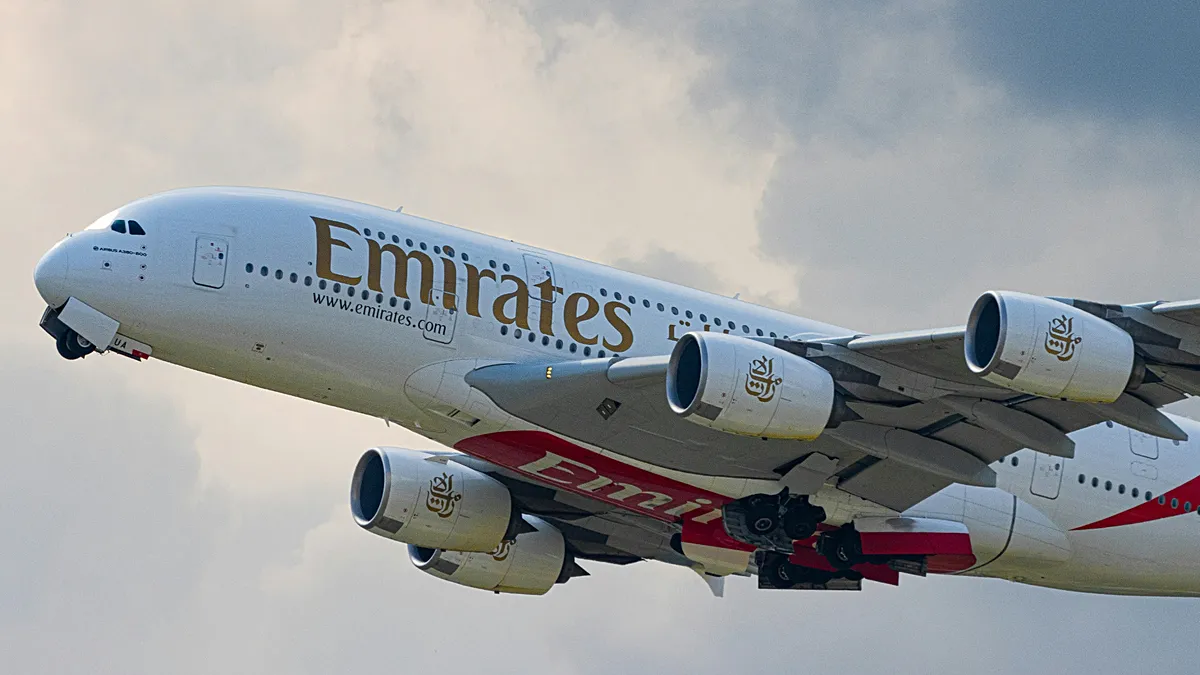
Travel insurance has become a critical factor for those considering trips to conflict-prone areas, with global authorities often citing political instability as a risk. The Gulf carriers are offering innovative solutions to ease this burden, ensuring travelers feel protected against unforeseen disruptions. Etihad Airways, for example, provides free medical coverage for visitors arriving via its flights, valid for up to 15 days during their stay in the UAE. This initiative extends to those who opt for the airline’s stopover program, offering continuity for longer stays. Meanwhile, Emirates has bundled comprehensive insurance with ticket bookings, allowing passengers to customize their protection based on travel needs and potential risks.
These insurance programs are designed to bridge the gap between travelers’ concerns and the evolving security landscape. Etihad’s focus on health-related expenses highlights the region’s access to quality healthcare, while Emirates’ broader coverage includes trip cancellations, rebooking assistance, and compensation for delayed luggage. By integrating insurance directly into their services, these airlines are not only addressing safety worries but also differentiating themselves in a competitive market. The move reflects a proactive approach to attract tourists amid ongoing geopolitical uncertainties, with both carriers emphasizing flexibility and transparency in their offerings.
How the Insurance Programs Work
Etihad’s free medical insurance is available to all international visitors arriving on its flights, covering up to 15 days in the UAE. For extended stays, passengers can access additional benefits through the airline’s stopover program, ensuring continuous coverage. This policy simplifies the process, removing the need for separate insurance purchases. In contrast, Emirates’ insurance is a paid add-on, accessible when booking flights via its website. Travelers can tailor their coverage to include specific risks, such as conflict-related cancellations, and receive up to a 30-day extension for disrupted itineraries. Both initiatives aim to reduce the financial and emotional stress associated with traveling in volatile regions.
The insurance options are part of a broader effort to revitalize the Middle East as a travel destination. With the UK easing its travel alerts, the Gulf carriers are leveraging this shift to entice passengers back. However, the impact of France and Germany’s continued caution remains evident. By offering localized insurance, these airlines are addressing the specific needs of travelers, ensuring coverage that aligns with current risks. The strategy not only targets potential visitors but also reinforces the region’s appeal as a safe and reliable destination. As the tourism sector recovers, such measures could play a vital role in restoring trust and driving demand.
Travelers now have more confidence in booking trips through Gulf airlines, which are offering insurance as a key selling point. The programs reflect the carriers’ understanding of modern concerns, blending convenience with security. By providing peace of mind, these insurance options aim to counteract the hesitancy caused by global advisories. While the Middle East remains a high-risk area, the Gulf carriers are working to mitigate fears and position themselves as essential partners in the region’s tourism revival. Their efforts underscore the importance of adaptability in the face of unpredictable geopolitical conditions.