Europeans are making the most of cheap solar panels – by creating green garden fences
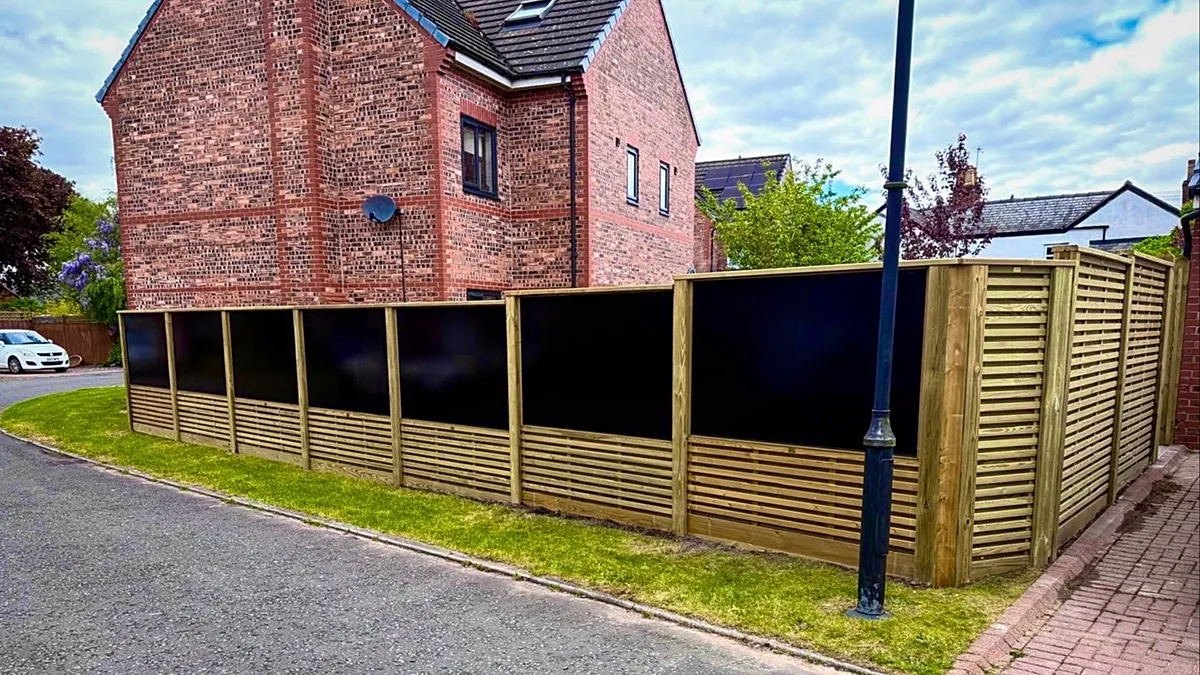
Europeans are making the most of cheap – Across Europe, a growing number of homeowners are repurposing traditional garden fences into innovative solar installations. These vertical structures, once purely decorative, are now being adapted to serve as energy-generating assets. While the concept may seem unconventional, it represents a strategic response to rising energy costs and a push for self-sufficiency. The shift is driven by the affordability of solar panels and the desire to maximise renewable energy potential in limited spaces.
Energy Transition and Cost Savings
As Europe grapples with energy crises, solar power has emerged as a critical solution. The continent has already saved over €12.8 billion in gas import costs since the conflict began, with solar energy contributing significantly to this trend. This figure translates to roughly €136 million in daily savings, highlighting its role in reducing dependency on fossil fuels. Despite these gains, challenges persist, as outdated electrical grids continue to hinder the full realisation of clean energy potential, blocking around €100 billion worth of projects.
Rising Demand for Solar Solutions
The war’s impact on global energy markets, particularly the disruption of oil supplies through the Strait of Hormuz, has sparked a surge in interest for solar technology. Fossil fuel prices spiked, prompting households to explore alternative energy sources. In Germany, renewable energy firm Enpal BV reported a 30% increase in solar panel inquiries following the conflict. Similarly, solar brand 1KOMMA5° GmbH noted a near-doubling of demand. UK energy company EON also saw a sharp rise, with a 23% jump in solar interest between mid-February and early March, followed by an additional 63% surge in late March.
Green Fences as a Novel Innovation
Now, the focus is shifting beyond rooftops to unconventional spaces. Solar fences, which blend physical barriers with energy generation, are gaining traction. Jacksons Fencing, a UK-based company offering solar-integrated designs, describes these structures as combining “a physical boundary with renewable energy generation.” This approach eliminates the need for scaffolding or complex mounting systems, simplifying installation. Additionally, vertical panels are particularly appealing for those with limited roof space or structures unsuitable for traditional setups.
The idea of using fences for solar energy is not just practical—it’s also forward-thinking. These installations can be scaled incrementally, allowing households to expand their energy capacity over time. For instance, a 10-metre fence could generate approximately 1 to 1.5 kW of power under ideal conditions, translating to 5 to 7.5 kWh of electricity per day. While this output isn’t sufficient to power an entire home, it can support essential appliances like refrigerators or LED lighting, offering a sustainable supplement to existing energy systems.
Technical Challenges and Considerations
However, solar fences are not without limitations. Their vertical orientation means they capture less sunlight than rooftop panels, which are typically angled for optimal exposure. “Performance also depends on positioning, shading, and the length of the boundary,” Maguire, a representative from Next2Sun, explains. The company has completed 479 solar fence projects across six European countries, covering over 10km of fencing. According to Maguire, vertical photovoltaic systems can cost as little as €250, though prices may rise for more aesthetically pleasing designs. Despite this, the cost is recoverable within eight years, matching the investment return of traditional rooftop installations.
“Solar fencing is suited to infrastructure and commercial environments, where long stretches of boundaries already exist and remain unused from an energy perspective.”
Next2Sun’s projects extend beyond residential areas, with applications in agriculture and commercial sectors. For example, vertical panels on farm boundaries or airport perimeters can address energy needs in spaces where horizontal surfaces are scarce. The company also highlights potential integration into public initiatives, such as schools or local authorities’ sustainability programs. This adaptability underscores the broader appeal of the technology.
Advantages Beyond Energy Production
While the primary benefit of solar fences lies in energy generation, they also offer secondary advantages. For instance, the combination of greenery and solar panels can enhance aesthetics, blending functionality with environmental design. Additionally, these systems may contribute to reducing urban heat islands by incorporating vegetation, which absorbs heat and improves air quality. In some cases, they can even support biodiversity by creating habitats for small plants and animals in urban settings.
Maguire acknowledges that technical considerations remain. For example, durability in high-traffic areas or safety standards for public spaces must be addressed. Glare from solar panels and maintenance requirements in commercial environments are also factors. Nevertheless, these challenges are seen as manageable, with the concept aligning closely with Europe’s push to integrate renewable energy into existing infrastructure.
Future Prospects and Market Growth
With budget retailers like Lidl and Iceland now offering plug-in solar options, the market for these systems is expanding. The UK’s recent policy changes, which lifted restrictions on vertical solar installations, signal a shift in regulatory support. As technology advances and costs decrease, solar fences are likely to become a common feature in both private and public landscapes. For households, this represents an accessible way to contribute to energy independence. For industries, it offers a scalable solution to meet rising energy demands without compromising space efficiency.
Experts predict that the adoption of such systems will accelerate as awareness grows and incentives increase. While solar fences may not replace traditional panels entirely, they are increasingly viewed as a complementary tool in the renewable energy toolkit. By transforming everyday structures into energy generators, Europeans are demonstrating a creative approach to sustainability—one that prioritises practicality and innovation in the face of economic and environmental challenges.
The future of energy in Europe hinges on such ingenuity. As the continent continues to invest in solar infrastructure, the integration of green fences into the energy landscape could mark a turning point in the quest for self-sufficiency. By utilising every available surface, from rooftops to garden boundaries, Europe is redefining what it means to harness the sun’s power in a way that’s both efficient and eco-friendly.