France Launches Inquiry Into Treatment of Activists on Gaza Flotilla
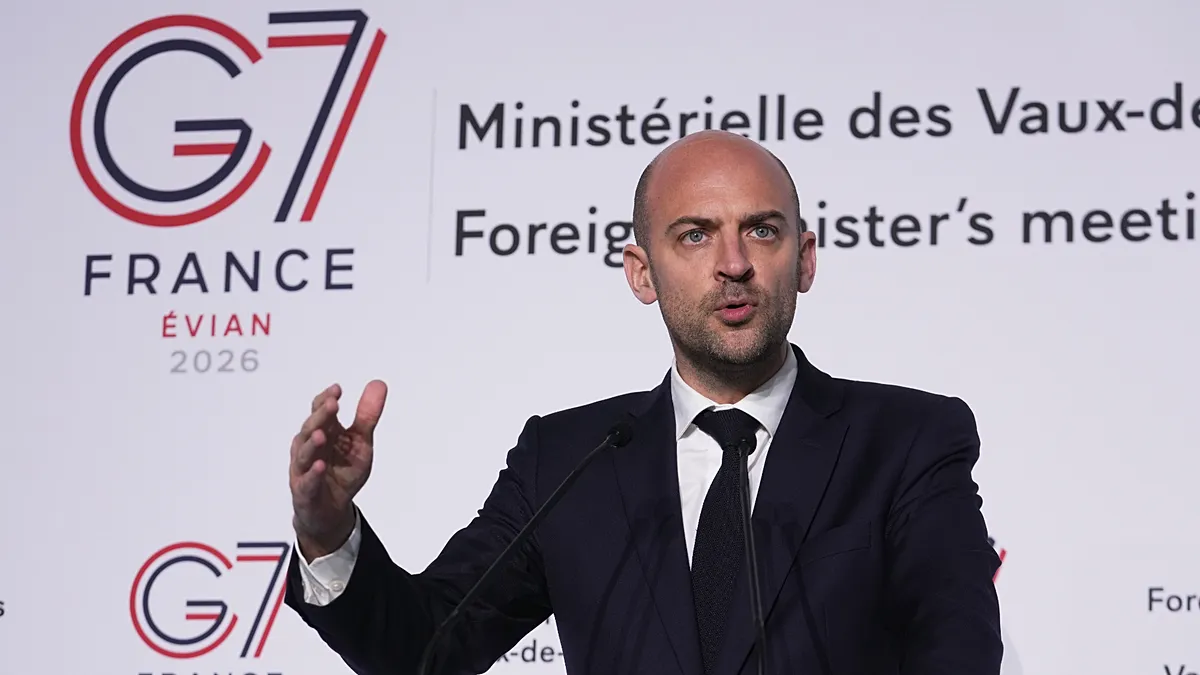
France launches an inquiry into the treatment – France has initiated an investigation into how its citizens were treated during their involvement in the Gaza flotilla incident. The move, declared by French Foreign Minister Jean-Noël Barrot on Friday, comes after allegations emerged that activists faced severe mistreatment while held in detention. These claims, which include reports of sexual violence, physical abuse, and psychological torment, have prompted the French government to seek legal action against those responsible.
Alleged Human Rights Violations During Detention
According to Barrot, the inquiry was triggered by a report from the French Consul General in Turkey, which detailed the harsh conditions endured by French nationals aboard the Gaza-bound flotilla. The document outlines instances where detainees were exposed to cold, subjected to beatings, and forced into humiliating positions. Barrot emphasized that these actions could be classified as criminal offenses, stating that he has directed the case to the Public Prosecutor under Article 40 of the Code of Criminal Procedure.
“Based on a report I requested from our Consul General in Turkey, which detailed sexual violence, exposure to cold, beatings, and repeated humiliations of French nationals— all acts that could constitute criminal offenses,” said Barrot. “I decided yesterday (Thursday) to refer the matter to the Public Prosecutor, in accordance with Article 40 of the Code of Criminal Procedure. This case is now in the hands of the justice system.”
The inquiry follows a wave of international condemnation after Israeli far-right minister Itamar Ben Gvir shared a video of detained activists being forced to their knees with hands bound. The footage, which went viral, depicted foreign participants in the Gaza flotilla being treated with apparent aggression while awaiting deportation at Ashdod, a southern port in Israel. This incident sparked global outrage, with several European nations expressing solidarity with the activists.
EU Nations Demand Sanctions Against Israel’s Minister
Italy, Ireland, and Spain had previously urged the European Union to impose sanctions on Ben Gvir for his role in the controversy. Italian Prime Minister Giorgia Meloni described the activists’ treatment as “intolerable” and called for an apology from Israel. Spanish Prime Minister Pedro Sánchez echoed this sentiment, labeling the actions “unacceptable” and emphasizing the need for accountability. These statements reflect a growing concern among European leaders about the treatment of individuals during the operation.
“Some days ago, Italian Prime Minister Giorgia Meloni called the activists’ treatment ‘intolerable’ and demanded an apology by Israel. Spanish Prime Minister Pedro Sánchez had called the treatment of the activists ‘unacceptable.'”
The flotilla, part of a broader effort to challenge Israel’s blockade of Gaza, had set sail from Turkey after Israeli forces intercepted a previous convoy. This action was intended to deliver aid and support to Palestinians in the region, but the latest incident has raised questions about the safety of participants and the effectiveness of international oversight. The French government’s decision to pursue legal action signals a shift toward formalizing its stance on the matter.
Context of the Gaza Blockade and Conflict
Gaza has been under an Israeli blockade since 2007, with Israel controlling all entry and exit points. The situation escalated during the Gaza war, which began after Hamas launched a surprise attack on Israel in October 2023. This conflict has led to significant disruptions in the flow of essential goods, including food, medicine, and fuel, to the Palestinian territory. Reports indicate that aid deliveries have been suspended entirely at times, exacerbating the humanitarian crisis.
The flotilla incident adds another layer to the ongoing tensions between Israel and its critics. Activists involved in the mission, including those from the Global Sumud Flotilla, have been vocal about their goal to break the blockade and provide relief to the local population. However, the recent allegations of mistreatment have cast doubt on their safety and the intentions of the Israeli authorities. The French inquiry aims to investigate these claims systematically, ensuring that the rights of its citizens are protected.
International Response and Legal Implications
The video published by Ben Gvir has become a focal point in the debate over the flotilla’s treatment. It highlights the potential for abuse by Israeli forces and has drawn comparisons to past incidents of detainee mistreatment. While the French government has taken the lead in pursuing legal action, other EU members are likely to follow suit, potentially amplifying the pressure on Israel to address its policies.
France’s decision to involve the justice system underscores its commitment to holding perpetrators accountable. The Public Prosecutor will now assess the evidence and determine if criminal charges can be brought against those responsible for the alleged abuses. This process may also lead to broader implications, such as increased scrutiny of Israel’s treatment of detainees during the conflict.
As the inquiry progresses, the international community will be watching closely. The flotilla incident has reignited discussions about the balance between national security and human rights, with activists and governments alike calling for transparency and justice. For France, the investigation represents a significant step in advocating for its nationals and reinforcing its position on human rights issues.
The ongoing blockade of Gaza has long been a source of contention, and the flotilla’s mission was a direct challenge to that policy. By focusing on the treatment of activists, the French inquiry may also serve as a reminder of the humanitarian costs of the conflict. The outcome of this legal action could influence future diplomatic efforts and shape the narrative surrounding Israel’s actions in the region.
As the situation evolves, the voices of the activists and the responses from governments will continue to shape public opinion. The French inquiry is not just a legal measure but a statement of solidarity with those who risked their safety to support the Palestinian cause. It also highlights the complexities of international relations in the face of ongoing conflict and the pursuit of justice for victims of alleged human rights violations.
The European Union’s stance on the issue is expected to be reinforced by the actions of its member states. While the flotilla’s mission was intended to ease the suffering of Gazans, the reported abuses have complicated its legacy. The French government’s proactive approach may set a precedent for other nations to take similar steps, ensuring that the treatment of individuals in conflict zones is scrutinized with greater intensity.
With the inquiry now underway, the focus shifts to the evidence and the legal proceedings that will follow. The case will be closely monitored by human rights organizations, as well as by the public and political leaders across Europe. The outcome could have lasting effects on the relationship between France and Israel, as well as on the broader discourse about the treatment of detainees in the Gaza conflict.
As the world continues to grapple with the humanitarian impact of the war, the flotilla incident serves as a poignant reminder of the challenges faced by activists and the determination of governments to protect their citizens. The French inquiry is a critical step in this process, ensuring that the voices of those affected are heard and that justice is pursued in the face of adversity.