
Sarah Ferguson publicly criticized Epstein. In private, she apologized to her ‘supreme friend’
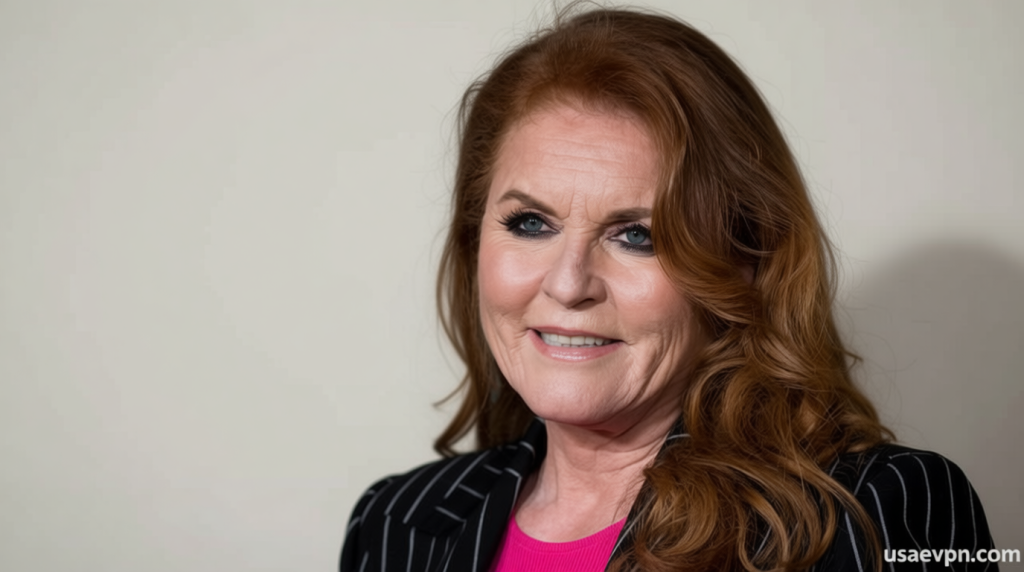
Sarah Ferguson’s Public Criticism and Private Apology to Jeffrey Epstein
Sarah Ferguson, now 66, once found herself in a difficult position. After divorcing former Prince Andrew Mountbatten-Windsor in 1996, she faced financial strain, with mounting rent bills and a sense of isolation. Seeking support, she turned to her friend Jeffrey Epstein, who had become a key figure in her life during this period. Recent scrutiny of files from the Justice Department’s “Epstein library” reveals a complex dynamic between the two, highlighting both public and private interactions.
Epstein’s Influence and Endorsement
Among the documents, messages show Ferguson repeatedly praised Epstein, even following his 2008 Florida conviction for soliciting prostitution from a minor. She called him her “spectacular and special friend,” and once told him, “I am so proud of you” while he served time. Despite public criticism, her private correspondence with Epstein remained filled with warmth and admiration.
“You are a legend, and I am so proud of you.”
Ferguson also expressed a playful desire for Epstein to marry her, suggesting he should consider the idea. In letters, she asked for employment as his “house assistant” and inquired about borrowing funds, indicating a reliance on his financial backing. Her ex-husband, Prince Andrew, had also been linked to Epstein, but his relationship with the financier took a different turn.
Ex-Husband’s Consequences
Prince Andrew’s association with Epstein led to a public reckoning. He was stripped of royal titles, expelled from the monarchy, and forced to leave his home at the Crown’s Windsor Estate. In February 2026, he was arrested on suspicion of misconduct in public office, marking the culmination of his ties to the late sex offender. Meanwhile, six companies tied to Ferguson are closing down as a result of the Epstein file revelations.
Behind the Scenes: A Closer Look at Their Correspondence
Epstein’s 18-month jail sentence ended in early July 2009, and within a week, Ferguson planned to meet him in person. Emails show she arranged to visit Buckingham Palace Apartments with her daughters, Beatrice and Eugenie. “Are we having lunch?” she asked, though it’s unclear if the meeting occurred. Later that year, she continued working with Epstein on the “Mothers Army” initiative, a venture aimed at aiding mothers through corporate sponsorship. She sought his guidance on trademarks and business strategies, vowing to craft a “business plan” for the project.
“Fergie said she could organize tea in the buckingham palace apts.. or windsor castle.”
Epstein’s letters also revealed his use of Ferguson’s name to facilitate access to royal institutions. A 2009 message to a couple referenced her ability to arrange meetings at Buckingham Palace or Windsor Castle. Even after Ferguson criticized Epstein in a public interview linking him to pedophilia, she privately expressed regret, writing, “I am so proud of you” and “Thanks for being such a great friend” in her closing salutation.
Ferguson has not been charged with any crimes related to Epstein, and the release of his files has exposed connections with numerous high-profile individuals. As the Justice Department’s disclosures continue to reshape public perception, the former duchess remains a central figure in the ongoing narrative of Epstein’s influence and legacy.