
Police to use Thames to separate protesters at Al Quds protest
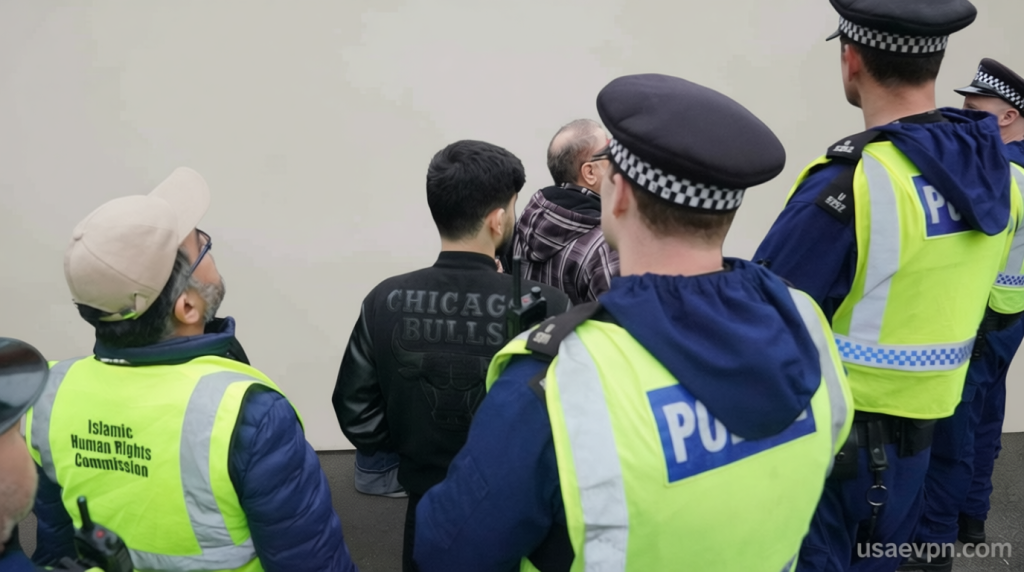
Police to Use Thames to Separate Protesters at Al Quds Rally
Law enforcement authorities will employ the River Thames as a divider between demonstrators and opposing groups during the Al Quds Day protest in central London on Sunday.
March Banned Amid Concerns Over Public Order
A planned procession to the Home Office was suspended earlier this week following approval by Home Secretary Shabana Mahmood for the Metropolitan Police to halt it, citing the need to prevent serious public disorder.
“The organisers, the Islamic Human Rights Commission (IHRC), were ‘supportive of the Iranian regime’,” stated the Met, marking the first instance of a protest march being blocked by the force in 14 years.
The IHRC has responded by announcing a “static” demonstration, asserting the ban was a “politically motivated choice.” They described the event as a peaceful, pro-Palestinian gathering.
Custom Tactic for Managing Crowd Dynamics
In a Thursday briefing, Assistant Commissioner Ade Adelekan outlined the use of the Thames as a “new bespoke tactic” to address the “distinct challenges” posed by the Al Quds rally.
The Met anticipates a minimum of 6,000 participants in the Al Quds demonstration, alongside 6,000 counter-protesters, though they cautioned that numbers could rise due to heightened tensions in the Middle East.
Protesters will gather south of the Thames on Albert Embankment, while counter-protesters are confined to Millbank. Lambeth and Vauxhall Bridges will remain closed to all vehicles except emergency services.
Over 1,000 officers, including community teams and additional forces, are deployed to oversee the event. Enhanced security measures will also be implemented at other “at-risk locations” across London, particularly those with significant Jewish populations.
Officer briefings emphasize prompt action against symbols of dissent, such as placards, flags, and chants. The assistant commissioner highlighted a “zero tolerance approach” to hate crime, with arrests planned for anyone endorsing banned groups.
“The ban and policing measures don’t entirely eliminate disorder risks,” Adelekan noted, “but they significantly ease the task of maintaining order.”
The Met’s decision was influenced by the rally’s historical context, existing community tensions, and an “intelligence gap.” Al Quds Day, a tradition since the 1979 Iranian Revolution, typically occurs on the final Friday of Ramadan, with marches held globally to express solidarity with Palestine.