Fuel Crisis and War Costs: Central Bank Warns of Accelerating Inflation
Fuel crisis and war costs – On June 20, 2026, the Bank of Russia announced a reduction in its benchmark interest rate to 14.25%, marking a smaller cut than anticipated by financial analysts. This adjustment came amid persistent economic challenges stemming from soaring military expenditures in Ukraine, stringent Western sanctions, and a critical fuel supply crisis exacerbated by Ukrainian drone strikes on Russian infrastructure. The decision reflects a cautious approach by the central bank to balance inflationary pressures with the ongoing strain on the Russian economy.
Central Bank Chief’s Statement
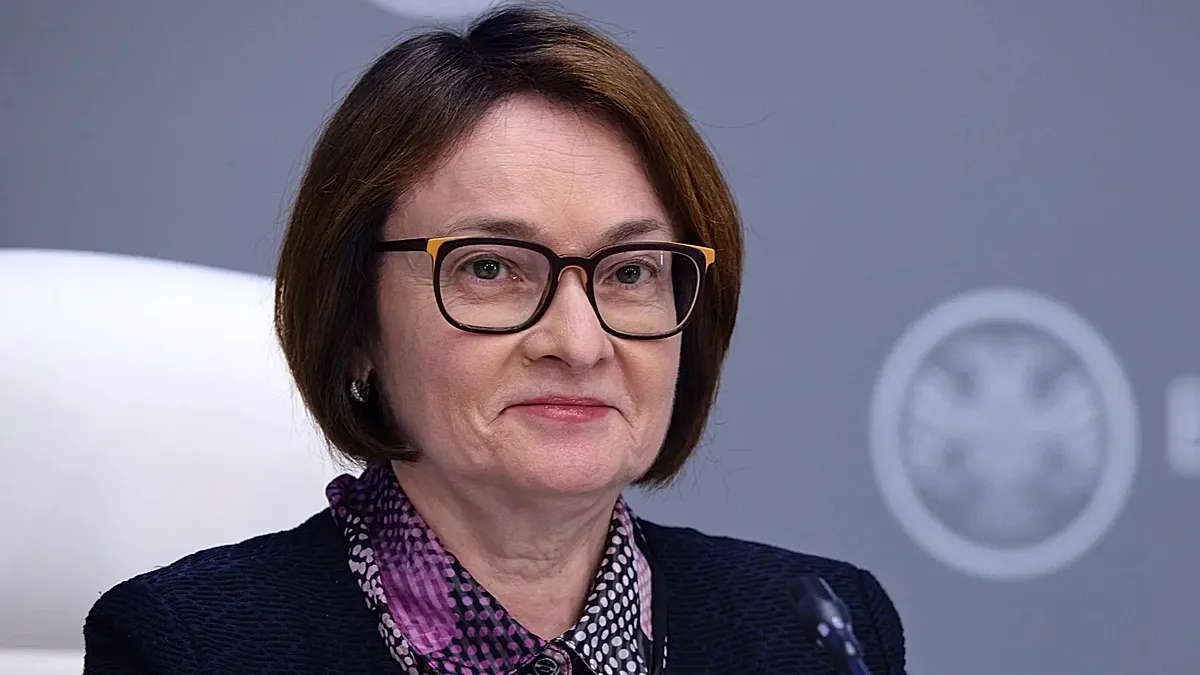
At a press conference on Friday, Elvira Nabiullina, the head of the Bank of Russia, revealed her return to public appearances after a period of absence due to illness. She emphasized that monetary easing is not expected in the near future, citing “pro-inflationary risks” as a key factor. Nabiullina highlighted the necessity of maintaining elevated interest rates, which she argued are essential to counterbalance the growing budgetary demands over the next three years. This stance signals a shift toward more expansionary fiscal policies, as the government continues to allocate significant resources to support the war effort.
“Rising petrol prices may also affect inflation expectations, as this is a highly sensitive commodity both for people and for companies,” Nabiullina said, linking Ukraine’s air campaign directly to challenges within the Russian economy.
The central bank’s decision to ease rates more modestly underscores its concern over the interplay between global energy dynamics and domestic economic stability. While the rate cut aims to alleviate some pressure, Nabiullina’s remarks suggest that the inflationary risks posed by both war-related spending and the fuel crisis will require sustained vigilance.
Fuel Market Disruptions
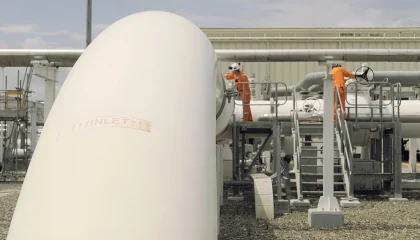
Recent months have seen a dramatic escalation in Ukraine’s use of drone attacks to target Russian oil refineries, ports, and tankers. These strikes have disrupted fuel supplies and created a ripple effect across the country’s energy infrastructure. In May, for example, oil production plummeted to its lowest level in over a year, with at least 53 regions reporting localized fuel shortages. The situation worsened on June 18 when nearly 200 Ukrainian drones launched a massive assault on Moscow and the surrounding Moscow region, marking the largest attack on the Russian capital since the full-scale war began.
Footage of the strike at a southeast Moscow refinery, where a storage tank was damaged, spread rapidly through international media. The incident highlighted the vulnerability of Russia’s energy sector to external threats. Meanwhile, petrol prices have surged in response to the ongoing disruptions. On Saturday, the business daily Kommersant reported a sharp increase, with fuel in the Moscow region climbing by more than 3 roubles per litre. Previously, prices for AI-92 and AI-95 grades had risen by 0.1–1 rouble per litre, though the outlet did not explicitly attribute the current crisis to Ukraine’s retaliatory actions.
“A reduction in fuel supply, unscheduled refinery maintenance, increased seasonal demand and panic buying” are the primary factors driving the price surge, according to experts cited by Kommersant.
Smaller petrol stations have faced additional hurdles, as they are forced to purchase more expensive Belarusian fuel to meet demand. This situation has compounded the economic strain on businesses, particularly in the civilian sector, where high interest rates and labour shortages have already triggered a slowdown. The rate cut, while modest, is intended to provide temporary relief without destabilizing the broader financial landscape.
Economic Slowdown and Budgetary Pressures
Since last year, the central bank has adopted a gradual approach to rate reductions, mindful of the signs of economic contraction. In the first quarter of 2026, Russia’s economy contracted for the first time in three years, driven by high borrowing costs and a decline in industrial activity. Analysts had anticipated a more aggressive cut, with forecasts from RBC suggesting a reduction to 14%. However, the Bank of Russia’s decision to lower rates only slightly indicates a commitment to stability over rapid expansion.
Compounding these issues is the widening budget deficit. As of the first five months of 2026, Russia’s fiscal gap has already reached 6 trillion roubles, or approximately €61–62 billion, which accounts for 2.6% of GDP. This exceeds the planned annual deficit by 60%, reflecting the immense financial burden of the war in Ukraine. Unnamed sources cited by Bloomberg reported that military spending is set to rise by an additional 4–5 trillion roubles (€41–52 billion) in the coming months, further straining public finances.
“The government is planning to increase military spending by a further 4–5 trillion roubles (€41–52 billion),” Bloomberg noted, highlighting the central bank’s dilemma in managing inflation while supporting the war effort.
Despite these economic pressures, President Vladimir Putin remained optimistic during the St Petersburg International Economic Forum earlier this month. Speaking at the event, where Nabiullina was absent, Putin dismissed fears of an economic collapse, stating that GDP growth had only declined to levels comparable to those in the eurozone. His comments suggest a belief in the resilience of the Russian economy, even as challenges from both the war and global market fluctuations continue to mount.
The combination of these factors—rising fuel costs, increased military spending, and the ongoing sanctions—has created a complex environment for policymakers. While the central bank seeks to stabilize inflation, the pressure to support struggling businesses and households remains significant. The interplay between external shocks and domestic economic policies will likely shape the trajectory of inflation in the months ahead, with the Bank of Russia maintaining its focus on long-term stability over short-term relief.
As the fuel crisis intensifies, the question remains whether the central bank’s cautious approach will be sufficient to mitigate the broader economic fallout. With the war in Ukraine continuing to drain resources and the global market reacting to Russia’s energy challenges, the path to recovery will depend on the ability of policymakers to navigate these interconnected risks effectively.