EU Expansion Momentum and Cyprus’ Leadership Role
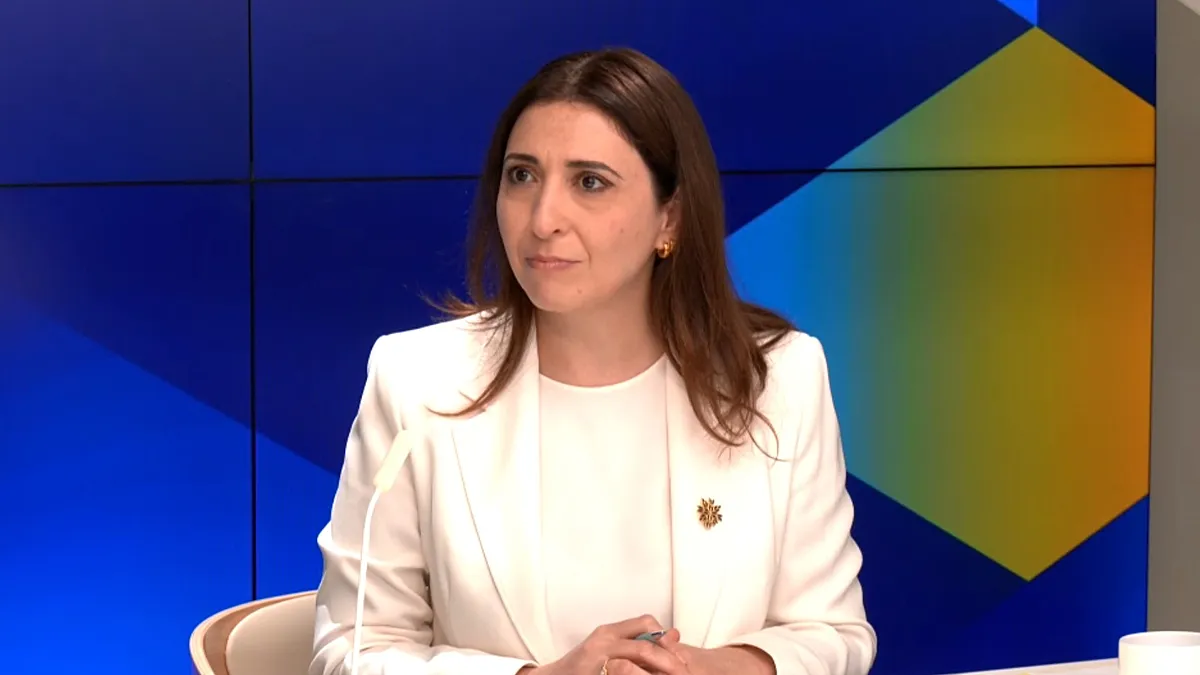
Cypriot minister vows to keep building – During its six-month tenure as the EU’s rotating presidency, Cyprus has played a pivotal role in advancing the bloc’s expansion agenda. A recent interview with Euronews’ flagship morning show, *Europe Today*, highlighted the nation’s efforts to maintain momentum in EU accession talks with Ukraine and Moldova. Deputy Minister for European Affairs Marilena Raouna emphasized that the decision to open negotiations with these countries marked a critical juncture in the union’s strategy for growth. She described the step as a “milestone,” underscoring its significance in shaping the future of European integration.
Strategic Focus on Accession Talks
Raouna’s remarks during the interview reflected Cyprus’ commitment to driving progress in EU enlargement. The nation, which has held the rotating presidency since January 2026, has prioritized fostering dialogue with potential members. Her comments came as the EU prepared to move forward with Ukraine and Moldova, two nations that have long sought to join the bloc. The minister stressed that the presidency would remain “ambitious until the very last day,” signaling a determination to achieve more positive developments despite the complexities of the process.
Accession negotiations are a multifaceted endeavor that requires aligning the candidate countries’ policies with EU standards. Raouna acknowledged the challenges involved but remained optimistic about the prospects. She highlighted Cyprus’ efforts to streamline procedures and ensure that the process remained transparent and inclusive. “We are focused on creating a clear path for Ukraine and Moldova to integrate with the EU,” she said, adding that the country’s leadership aimed to set a precedent for future negotiations.
Financial Compromise and EU Budget Role
While advancing enlargement, Cyprus has also taken on the responsibility of addressing the EU’s long-term financial framework. Raouna described her country’s role as an “honest broker” in the debate over the bloc’s budget, noting that Cyprus proposed a balanced approach to fiscal management. “We advocated for a moderate 2% cut in the budget, serving as a compromise between the competing interests of member states,” she explained. This decision, she argued, would help ensure the EU’s financial stability while maintaining flexibility for future reforms.
The EU’s long-term budget is a contentious issue, with nations divided on the need for austerity or increased spending. Raouna’s position as an honest broker reflects Cyprus’ diplomatic stance in balancing these priorities. She emphasized that the 2% reduction was not a rigid target but a strategic move to address the economic pressures facing the union. “This adjustment allows us to allocate resources more efficiently without compromising our commitment to growth,” she stated, underscoring the importance of fiscal responsibility in maintaining the EU’s credibility.
Transition to Ireland and Future Outlook
As Cyprus prepares to hand over the rotating presidency to Ireland, the minister expressed confidence in the continuity of the EU’s expansion efforts. She noted that the transition would not mark the end of progress but rather the beginning of a new phase in the union’s development. “Ireland will take up the mantle with the same spirit of cooperation and vision,” Raouna said, hinting at the importance of maintaining the momentum established during Cyprus’ leadership.
The minister also touched on the broader implications of the EU’s expansion strategy. She argued that including Ukraine and Moldova would strengthen the bloc’s geopolitical position and enhance its economic resilience. “These nations bring unique perspectives and capabilities that will benefit the entire European family,” she explained, adding that their accession would foster closer ties and shared goals. Raouna’s remarks suggest that Cyprus sees its role as not just a facilitator but a catalyst for deeper unity among EU members.
Throughout its presidency, Cyprus has balanced domestic priorities with the needs of the broader union. The minister acknowledged the challenges of managing a rotating role, which requires addressing diverse concerns while maintaining a cohesive vision. “We’ve worked tirelessly to ensure that every decision reflects the interests of both Cyprus and the EU as a whole,” she said. This approach has positioned the nation as a key player in shaping the EU’s direction during a period of both opportunity and uncertainty.
Context of the EU’s Enlargement Strategy
The EU’s enlargement strategy has always been a cornerstone of its foreign policy, aiming to extend its influence and stability across Europe. Cyprus’ involvement in this process highlights the nation’s strategic importance in bridging the gap between current members and aspirants. Raouna pointed out that the negotiations with Ukraine and Moldova are not only about membership but also about fostering a shared European identity. “These talks are about building a stronger, more unified Europe for the future,” she said.
The minister’s comments also drew attention to the broader context of the EU’s expansion. She noted that the process has faced scrutiny in recent years, with debates over the economic costs and political benefits of admitting new members. “The EU must demonstrate that it can accommodate growth without sacrificing its core values,” Raouna argued. This sentiment aligns with the bloc’s efforts to modernize its accession criteria and ensure that new members meet rigorous standards in governance, economy, and environmental policy.
Looking ahead, Raouna expressed hope that the momentum gained during Cyprus’ presidency would carry over into the next phase. She highlighted the importance of maintaining the EU’s collaborative spirit, especially as the bloc navigates its evolving relationship with new and existing members. “The success of these negotiations depends on the collective will of all EU nations,” she said, reinforcing the idea that expansion is a shared responsibility.
As the rotating presidency concludes, the minister’s focus shifts to preparing for the handover to Ireland. She mentioned that Cyprus has laid a solid foundation for future discussions, ensuring that the EU’s expansion remains a top priority. “We’ve made significant strides, but there is still much to do,” Raouna admitted. Her words suggest a cautious optimism, acknowledging that the road to enlargement is ongoing and requires sustained effort.
The interview provided a glimpse into Cyprus’ strategic contributions to the EU during its leadership term. Raouna’s emphasis on both accessions and budget negotiations reflects the multifaceted challenges of steering a large and diverse union. Her commitment to maintaining ambition and transparency resonates with the EU’s broader goals of unity and progress. As the presidency transitions to Ireland, the minister’s legacy is one of diplomatic leadership and strategic foresight, setting the stage for continued European integration.
The full interview, which delves deeper into Cyprus’ policies and future plans, is available in the video player above. It offers an in-depth look at the nation’s priorities and the broader implications of its role in the EU. Raouna’s insights provide valuable context for understanding the dynamics of enlargement and fiscal management in the European Union.
Legacy of Cyprus’ EU Presidency
Raouna’s tenure as Cyprus’ representative in the EU has been marked by both challenges and achievements. The minister emphasized that the presidency’s success lies in its ability to address pressing issues while keeping the door open for new members. “We’ve shown that Cyprus can lead with integrity and vision,” she said, highlighting the nation’s role in shaping the EU’s future. This sentiment is echoed in the minister’s statements about the importance of maintaining a forward-looking approach to European integration.
The decision to open negotiations with Ukraine and Moldova has been a defining moment for Cyprus’ presidency. Raouna noted that this step not only strengthens the EU’s ties with these countries but also reinforces the bloc’s commitment to inclusivity. “It’s a testament to the EU’s ability to adapt and grow,” she remarked, underscoring the significance of the decision for European unity. The minister’s remarks suggest that Cyprus sees itself as a bridge between the EU’s past and future, ensuring that expansion remains a dynamic and inclusive process.
As the presidency winds down, Raouna remains focused on the long-term vision for the EU. She highlighted that the decisions made during Cyprus’ leadership will have lasting effects, influencing the bloc’s trajectory for years to come. “This is not just about the present, but about laying the groundwork for the future,” she said. Her words reflect the sense of responsibility that comes with leading the EU, as well as the hope that the momentum gained will continue to drive progress in the years ahead.
The interview also touched on the broader implications of the EU’s financial decisions. Raouna argued that the 2% budget cut was a necessary measure to ensure the union’s fiscal sustainability. “This adjustment will allow us to invest in key areas while managing our resources wisely,” she explained. Her comments align with the EU’s goal of maintaining economic stability, even as it expands its reach and responsibilities.
Raouna’s role as an honest broker in the budget discussions has been a key aspect of Cyprus’ presidency. She noted that the compromise reached reflects the delicate balance between different member states’ interests, ensuring that no single nation dominates the decision-making process. “We’ve worked to keep the dialogue open and the solutions fair,” she said, emphasizing the collaborative nature of EU governance. This approach has helped Cyprus navigate the complexities of leadership while maintaining a constructive dialogue with other members.
As the rotating presidency concludes, Raouna remains committed to the EU’s expansion goals. She expressed confidence that the momentum built during Cyprus’ term will continue to influence the bloc’s decisions in the months and years to come. “The path to enlargement is long, but we’ve made progress,” she said. Her words serve as a reminder of the importance of perseverance in achieving the EU’s vision for a united and inclusive Europe.
The minister’s interview offered a comprehensive overview of Cyprus’ contributions to the EU during its presidency. From fostering accession talks to mediating budget discussions, Raouna’s efforts have been instrumental in advancing the union’s priorities. Her statements reflect a clear understanding of the challenges and opportunities facing