Israel and Hezbollah Renew Ceasefire Talks Amid Regional Tensions
Israel and Hezbollah agreed to renew – On Friday, Israel and Hezbollah reached a renewed ceasefire agreement, according to three officials who confirmed the development. The decision came amid escalating clashes in southern Lebanon, which had threatened to destabilize an earlier deal between Iran and the United States signed on Wednesday. This initial pact, intended to conclude the ongoing war, faced challenges as fighting between the two groups intensified, raising concerns about its viability.
The ceasefire negotiations, originally scheduled for Switzerland on Friday, were abruptly canceled due to the hostilities. However, the agreement remains in the works, with mediators from Qatar, the US, and Iran playing a crucial role. Two regional officials and a US representative, speaking under anonymity, stated that these parties facilitated the truce. A Hezbollah source also corroborated the mediators’ efforts, though the official did not confirm the full terms publicly.
Israeli Prime Minister Benjamin Netanyahu’s office has yet to respond to the announcement, leaving the government’s stance unclear. Meanwhile, Brigadier General Effie Defrin, the military spokesman, clarified that the armed forces have not received new directives from the administration. Defrin emphasized that Israeli troops continue to operate in a “forward defense zone” and will maintain their presence until further notice.
The US-Iran Deal and Its Fragility
The US-Iran agreement, signed on Wednesday, aimed to provide a framework for ending the conflict that began on February 28 with coordinated strikes by US and Israeli forces. This deal, however, appears to have been tested by the recent hostilities. Iran had insisted that the ceasefire must include Israel’s withdrawal from southern Lebanon, while Israel argued the initial terms did not explicitly cover the region. The tension between these positions highlights the complexity of the diplomatic process.
On Friday, Israeli military operations in southern Lebanon reportedly resulted in the deaths of four soldiers. This incident prompted far-right National Security Minister Itamar Ben-Gvir to declare, “All of Lebanon must burn,” a stark warning that underscored the urgency of the ceasefire. Despite the violence, Israeli officials remain resolute in their commitment to the agreement, with Netanyahu asserting that the country would “extract a very heavy price from Hezbollah for these attacks” and that forces would “remain in the security zone in southern Lebanon for as long as required.”
Impact of the Ceasefire on Casualties and Regional Dynamics
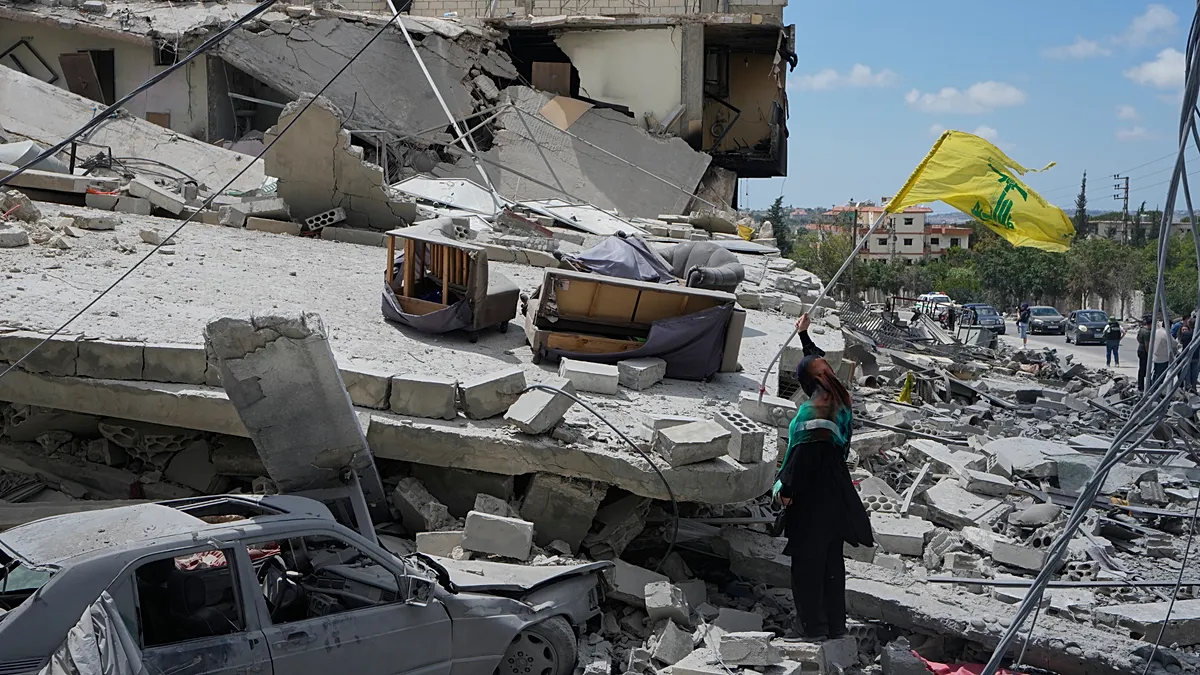
According to the Lebanese health ministry, Israeli airstrikes and bombardments caused at least 47 casualties, including seven women and two children, and injured 97 others on Friday alone. These attacks followed a reported Israeli airstrike in the country’s southern region, which occurred shortly after the US official announced the ceasefire agreement. The Lebanese state media highlighted the immediate impact of the strikes, emphasizing the human cost and the disruption to civilian life.
Despite the ceasefire talks, the conflict has seen persistent violence. Israeli Defence Forces claimed to have targeted over 80 Hezbollah positions in southern Lebanon, killing dozens of members of the Iran-backed militant group. The military’s continued operations in the area suggest that the ceasefire, while agreed upon, may not fully halt hostilities. The previous truce, established in April, failed to prevent attacks from either side, indicating the challenges in achieving lasting stability.
Key Players and the Path Forward
The mediators—Qatar, the US, and Iran—have been pivotal in brokering the latest ceasefire. Their involvement, though not fully disclosed, has helped bridge the gap between Israel’s military objectives and Hezbollah’s demands. The agreement is expected to be formalized soon, but its success depends on adherence from both parties. A Hezbollah official, speaking anonymously, noted that the group is “committed to the ceasefire” but stressed the need for Israel to withdraw from Lebanese territory.
As the situation unfolds, the international community watches closely. The US-Iran deal, which sought to ease tensions in the region, now faces the test of implementation. While the ceasefire offers hope for de-escalation, the ongoing clashes and conflicting demands highlight the fragile nature of the peace process. The outcome will determine whether this agreement can prevent further escalation or if the cycle of violence will continue.
“All of Lebanon must burn.” — Itamar Ben-Gvir, Israeli National Security Minister
“Extract a very heavy price from Hezbollah for these attacks.” — Benjamin Netanyahu, Israeli Prime Minister
The renewed ceasefire agreement marks a critical moment in the conflict, but its effectiveness remains uncertain. With four soldiers killed in a single day, the military’s forward defense strategy continues to draw fire from both domestic and international critics. The Lebanese health ministry’s report underscores the human toll of the fighting, adding pressure on the parties to uphold the ceasefire.
As the talks progress, the focus will shift to ensuring compliance. The role of Qatar as a neutral mediator has been instrumental in facilitating dialogue, but the US and Iran’s involvement highlights the geopolitical stakes. The initial US-Iran deal, which aimed to reduce regional tensions, now serves as a backdrop to the renewed ceasefire, symbolizing a potential turning point in the war.
With the agreement in place, the immediate crisis may be averted, but the underlying issues—such as Israel’s presence in southern Lebanon and Hezbollah’s territorial claims—will likely persist. The next phase will test the resolve of all parties to maintain peace, even as the conflict’s legacy continues to shape the region’s future.