France’s Far-Right Leader Bolsters Ties with Poland Ahead of Upcoming Elections
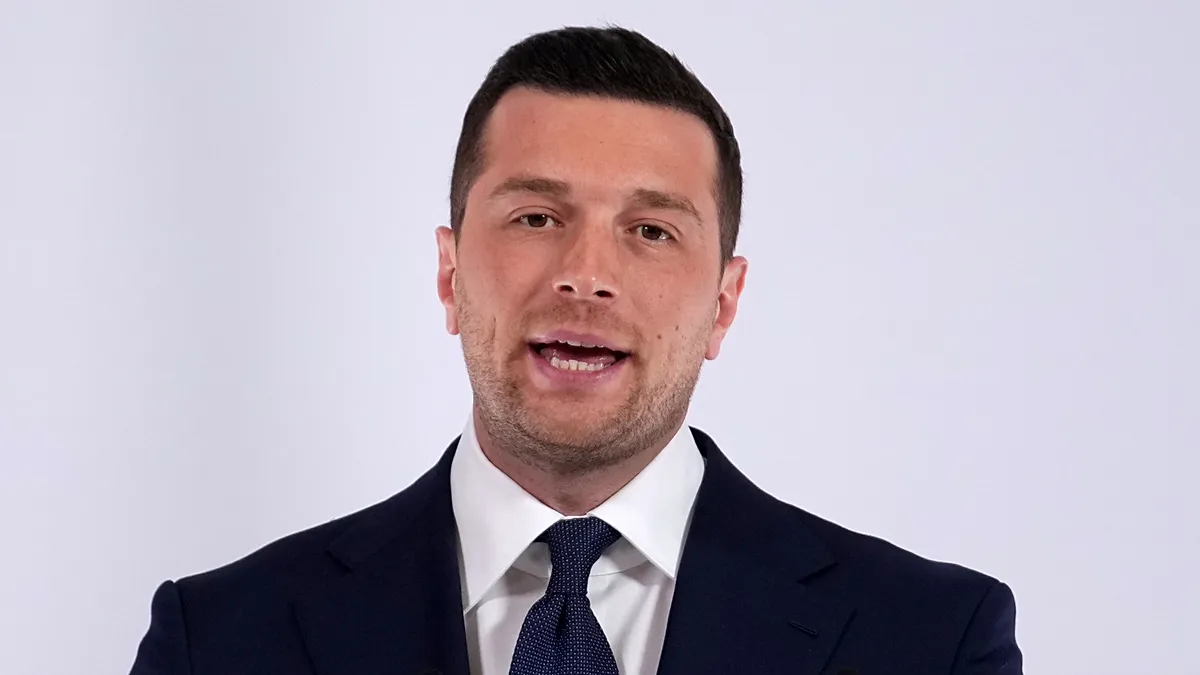
Jordan Bardella meets Karol Nawrocki in Warsaw – On Thursday, Jordan Bardella, the head of France’s far-right National Rally, initiated a two-day diplomatic tour across Poland. This visit, which marks his most recent effort to consolidate ties with European counterparts holding similar political ideologies, follows previous engagements in Portugal, Italy, and Belgium. The primary aim of the trip is to align with right-wing and nationalist leaders ahead of the 2027 French presidential election, where his party seeks to reposition itself as a key force in shaping the continent’s political landscape. Bardella’s itinerary includes a stop in Warsaw and a visit to the Polish-Belarusian border, highlighting his focus on security and border control as central to the shared interests of France and Poland.
Purpose of the Visit: Strengthening Cross-Border Collaboration
Bardella’s meeting with Polish President Karol Nawrocki, a leader backed by the opposition Law and Justice (PiS) party, and Krzysztof Bosak, a prominent figure in the right-wing Confederation, underscores the importance of bilateral cooperation in addressing common challenges. During their closed-door discussions, the French politician emphasized the need for European nations to reclaim sovereignty and independence, positioning France as a strategic partner in the region. “European nations must take their destiny into their own hands, and in particular their autonomy, independence and freedom,” he told reporters. “France has a role to play and new leadership to offer on the European stage,” Bardella added, underscoring his belief in the continent’s need for a unified approach to security and economic stability.
“It is an honour to meet the President of Poland, Karol Nawrocki. A long-standing friendship unites France and Poland, which share many common challenges on the European stage. Today Poland is a key country for building the new European architecture we envisage, based on the protection of borders and economic growth,”
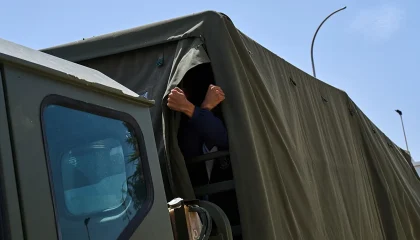
Bardella’s remarks on X reflect a broader narrative of solidarity between the two nations. He described Poland as a “key country” for advancing a European model that prioritizes border security and economic development. The meeting in Warsaw, held at the presidential office, was the first step in a planned exchange of ideas that also includes a visit to Frontex’s headquarters and the electronic barrier on the Belarusian border. These locations are critical to Poland’s strategy of preventing the influx of migrants, a cause that has become a cornerstone of Bardella’s political platform.
Focus on Security and Strategic Autonomy
As the French politician prepared to explore the Polish-Belarusian border, he highlighted the significance of the region’s security challenges. “Thanks to economic development and the protection of national borders in terms of defence, Poland is today one of the most dynamic countries in Europe,” he noted in a statement, citing the country’s progress in both defense and economic policies. Bardella’s emphasis on Poland’s role as a “dynamic” force aligns with his vision of a Europe that prioritizes national sovereignty and collective action against external threats.
The visit also comes at a pivotal moment for both nations. With France’s presidential election looming in the summer of 2027 and Poland’s parliamentary elections set for the autumn of the same year, Bardella’s engagement with Polish leaders serves dual purposes: solidifying political alliances and projecting his party’s influence on the European stage. His itinerary, which includes the electronic barrier, aims to showcase Poland’s efforts in curbing migrant flows, a policy that resonates with his own hardline stance on immigration.
Reinforcing Military Partnerships Amid U.S. Retreat
Before delving into the border visit, Bardella reiterated France’s commitment to deepening military collaboration with Poland. “At a time of American withdrawal from Europe, the partnership between France and Poland becomes even more vital,” he stated, highlighting the strategic importance of the alliance in countering perceived instability in the region. This focus on military cooperation reflects a growing concern among European leaders about the declining U.S. involvement in European affairs and the need for stronger continental partnerships.
The discussions during his stay in Warsaw also centered on the future of European security. Bardella described the “intensive talks” with Nawrocki and Bosak as a step toward a unified European defense strategy, emphasizing the need for collective action against threats to national borders. His rhetoric on the “essential cooperation” between the two countries aligns with the broader goals of the National Rally to position France as a leader in European affairs, particularly in times of uncertainty.
Poland’s Role in Shaping a New European Framework
Bardella’s visit underscores the strategic significance of Poland in shaping a new European architecture. The country, known for its robust stance on immigration and security, has emerged as a model for other nations seeking to reinforce their borders. His focus on the electronic barrier, which has been a symbol of Poland’s commitment to controlling migration, highlights the importance of such measures in his political agenda.
While the meetings in Warsaw were the highlight of his trip, Bardella’s plans also include a visit to the Polish-Belarusian border, where he will observe the operational details of the barrier. This hands-on approach allows him to connect with the practical aspects of border security, reinforcing his message of solidarity with Poland’s efforts. The French leader also expressed his intent to work closely with Poland if his party secures victory in the 2027 election, framing the relationship as a critical component of a renewed European identity.
Political Context and Long-Term Vision
The timing of Bardella’s visit coincides with a period of political transformation in both countries. Poland, which has long been a key player in the European Union, is now preparing for its own parliamentary elections, a moment that could reshape its domestic policies and international alliances. Bardella’s engagement with Polish leaders suggests a strategic move to align with the country’s political direction, particularly its emphasis on national sovereignty and migration control.
By focusing on shared values such as border protection and economic growth, Bardella aims to position France as a partner in Poland’s vision for a stronger, more self-reliant Europe. His rhetoric about the “new European architecture” implies a desire to create a bloc of nations united by conservative principles, challenging the current EU framework. This vision, however, also raises questions about the potential for a more fragmented European political landscape, as right-wing leaders seek to build a coalition based on mutual interests rather than unified policies.
In conclusion, Bardella’s trip to Poland represents a calculated effort to strengthen alliances with like-minded politicians across the continent. By engaging with leaders such as Nawrocki and Bosak, he reinforces his party’s role in shaping the future of European security and governance. The visit, which blends political diplomacy with practical observations of border infrastructure, underscores the importance of cross-border cooperation in an era of shifting alliances and rising challenges. As both nations prepare for their respective elections, the collaboration between France and Poland could set the stage for a new era of European political dynamics.