
Stopping weight loss jabs can lead to rapid weight regain in one year, study suggests
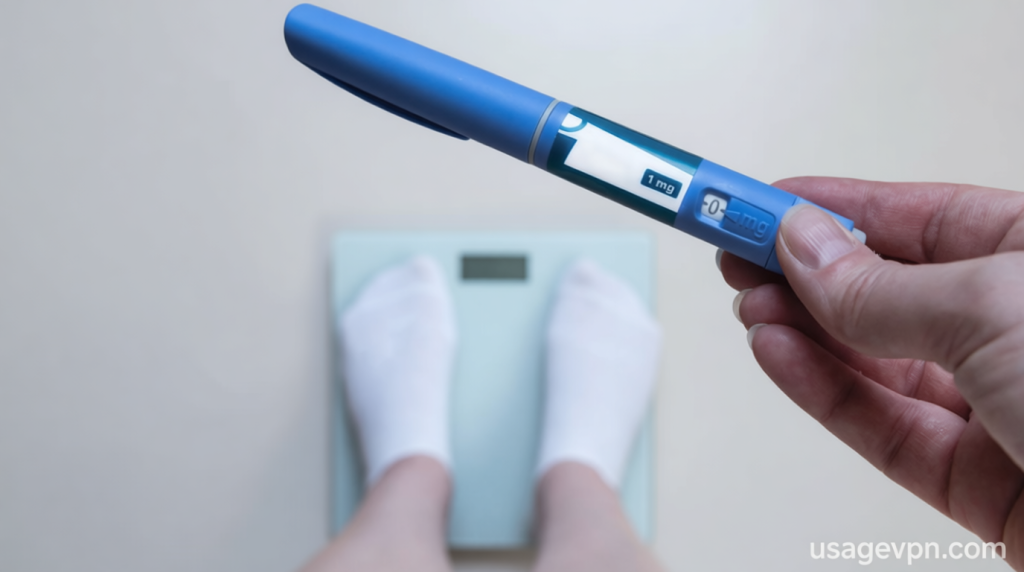
Stopping Weight Loss Jabs Linked to Rapid Weight Regain in a Year, Study Finds
A University of Cambridge analysis revealed that individuals using obesity-targeted injections often experience substantial weight recovery within a year of discontinuing the treatment. The research highlights that most of the weight lost through these therapies is regained in the 52-week period following cessation.
GLP-1 receptor agonists, the drug class used in weight loss jabs, function by replicating the effects of the hormone GLP-1 to manage blood glucose and insulin. Initially developed for type 2 diabetes, variants like semaglutide (Wegovy) and tirzepatide (Mounjaro) are now available on the NHS for obesity management.
Additional findings from a U.S. study tracking over 600,000 veterans with diabetes suggest these injections may also reduce risks of substance misuse. Participants without prior addiction histories showed a 14% lower likelihood of developing disorders related to alcohol, cannabis, cocaine, nicotine, and opioids.
“Our projections show that even though people regain most of the weight they have lost, they still maintain some of the weight loss,” noted Brajan Budini, a medical student at the School of Clinical Medicine and Trinity College, University of Cambridge. “However, the question remains whether lean mass is fully restored, which could impact long-term health outcomes.”
Researchers emphasized the need for further studies to analyze weight composition changes during and after treatment. While the Cambridge study included six trials with more than 3,200 participants and reported plateauing weight regain by 60 weeks, the exact balance between fat and lean mass remains unclear.
The U.S. findings, published in the British Medical Journal, also indicated a 31% reduction in emergency department visits, hospitalizations, and overdose risks among veterans with existing substance use disorders. These results were consistent across both genders, despite the study focusing primarily on male participants.
Experts suggest that the drugs’ influence on brain reward pathways may suppress cravings, offering potential benefits beyond weight management. However, the long-term implications of weight regain, particularly in terms of body composition, require deeper investigation.