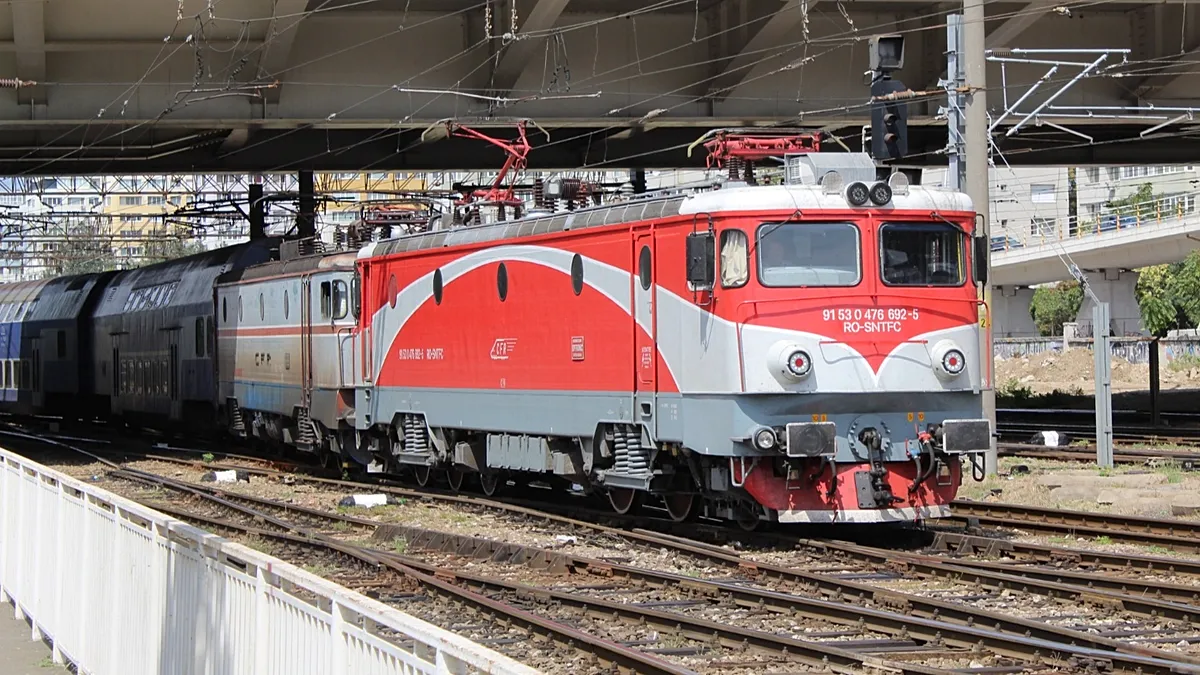
Direct Trains from Bucharest to Istanbul, Sofia, and Varna Resume Service Until October
Direct trains from Bucharest to Istanbul – For the first time since the onset of the summer season, rail travelers in Romania now have access to direct train services connecting Bucharest to key destinations in Turkey and Bulgaria. CFR Călători, the country’s national railway operator, has launched the return of its seasonal “România” international service, offering daily departures to Varna, Sofia, and Istanbul Halkalı until mid-October. This initiative aims to provide a convenient and cost-effective alternative for those seeking to explore the Balkans and the Black Sea region without relying on short-haul flights.
Revival of Cross-Border Rail Routes
The service began on June 12th, marking the resumption of the Bucharest-Varna route after a period of reduced frequency. Just one day later, on June 13th, direct trains to Sofia and Istanbul Halkalı were reintroduced, aligning with the operator’s efforts to bolster seasonal travel options. These routes are now operational until October 12th, with the Varna service concluding a day earlier on October 11th for outbound journeys.
“We are pleased to offer our international seasonal service, which provides a comfortable and affordable way for travelers to experience Bulgaria and Türkiye during their summer holidays,” said CFR Călători. This statement underscores the growing demand for rail travel as a sustainable and efficient mode of transport.
The revival of these routes reflects a broader shift in Europe toward rail-based travel. With more passengers opting for trains over flights, especially for shorter distances, international rail services are seeing a surge in popularity. This trend is particularly evident in the renewed interest in sleeper compartments, which offer a blend of comfort and convenience for overnight journeys.
Travel Itineraries and Ticket Availability
Passengers can now book tickets up to 90 days in advance, either through CFR Călători’s official website or at designated railway stations and ticket offices that handle international bookings. The operator has confirmed that Interrail passes are also accepted for these routes, expanding accessibility for budget-conscious travelers. This flexibility ensures that tourists can plan their trips with ease, taking advantage of early booking discounts and seamless travel experiences.
Route Details for Bucharest to Varna
The direct train service from Bucharest to Varna operates on a fixed schedule, departing from Bucharest North at 10:46 am and arriving in Varna at 7:56 pm. The journey typically takes around 9 hours and 10 minutes, allowing passengers to enjoy the scenic route without excessive travel time. For return trips, the service leaves Varna at 9:30 am and arrives back in Bucharest at 4:56 pm, making it a balanced option for those traveling between the two cities.
Second-class tickets for this route start at €27 one way, making it an attractive choice for budget travelers. The operator emphasizes that these prices are competitive, especially when compared to alternative transport methods such as buses or flights. Additionally, the service’s reliability and punctuality ensure that passengers can rely on it for their summer travel plans.
Travel Options from Bucharest to Sofia
For those heading to Sofia, the train departs Bucharest at 10:46 am and arrives in the Bulgarian capital at 8:41 pm after approximately 9 hours and 55 minutes. The return journey starts at 7:00 am from Sofia, with the train reaching Bucharest by 4:56 pm the same day. This schedule allows for a smooth transition between cities, accommodating both day and overnight travel preferences.
Second-class fares for the Bucharest-Sofia route begin at €33.60 one way, offering a cost-effective solution for tourists looking to explore the cultural and historical attractions of Bulgaria. The operator highlights that these routes are part of a larger network designed to support regional connectivity and promote tourism in the area.
Long-Distance Journeys to Istanbul
For travelers venturing further, the direct train from Bucharest to Istanbul Halkalı is an overnight option that departs Bucharest North at 10:46 am and arrives at the Turkish capital the following morning at 9:56 am. The journey lasts about 23 hours and 10 minutes, providing a comfortable experience with the option to sleep in a four-person couchette compartment. This feature is particularly beneficial for those seeking to minimize fatigue during long-distance travel.
The return service departs Istanbul at 8:00 pm and arrives in Bucharest at 4:56 pm the next day, ensuring that passengers can complete their trip without excessive delays. A berth in a four-person couchette starts from €57.80 one way, making it a viable choice for those who prefer sleeping on board during their travels.
Benefits of International Rail Travel
The reintroduction of these direct services is part of a wider movement in Europe toward increasing the use of international rail travel. As environmental concerns and travel costs drive more people to seek alternatives to air travel, trains are becoming a preferred option for cross-border trips. The “România” service exemplifies how rail operators are adapting to meet this demand by enhancing route availability and passenger amenities.
CFR Călători’s decision to restart the service aligns with efforts to reduce the carbon footprint associated with short-haul flights. By promoting rail as a sustainable mode of transport, the operator is contributing to the European Union’s goals of greener mobility. Additionally, the convenience of direct routes minimizes the need for transfers, making it easier for tourists to plan their itineraries without the hassle of multiple connections.
Preparing for the Summer Season
With the summer season approaching, the renewed train services are set to play a significant role in connecting Romania with its neighboring countries. The operator has already announced that these routes will continue operating until October 12th, giving travelers ample time to plan their trips. This extended timeframe allows for both leisure and business travel, catering to a diverse range of needs.
Travelers are encouraged to take advantage of the early booking window, which opens up to 90 days in advance. This provides the flexibility to secure lower fares and avoid last-minute disruptions. Whether using a regular ticket or an Interrail pass, passengers can expect a reliable and comfortable journey, with the operator ensuring that all services meet high standards of safety and efficiency.
As the demand for international rail travel continues to rise, CFR Călători’s efforts to restore these routes demonstrate a commitment to innovation and customer satisfaction. By offering direct connections to key destinations, the operator is not only enhancing the travel experience for Romanians but also supporting the growth of tourism in Turkey and Bulgaria. This development is a positive step toward a more connected and environmentally friendly travel landscape in the region.