G7 Leaders Commit to Boost Ukraine’s Military Support
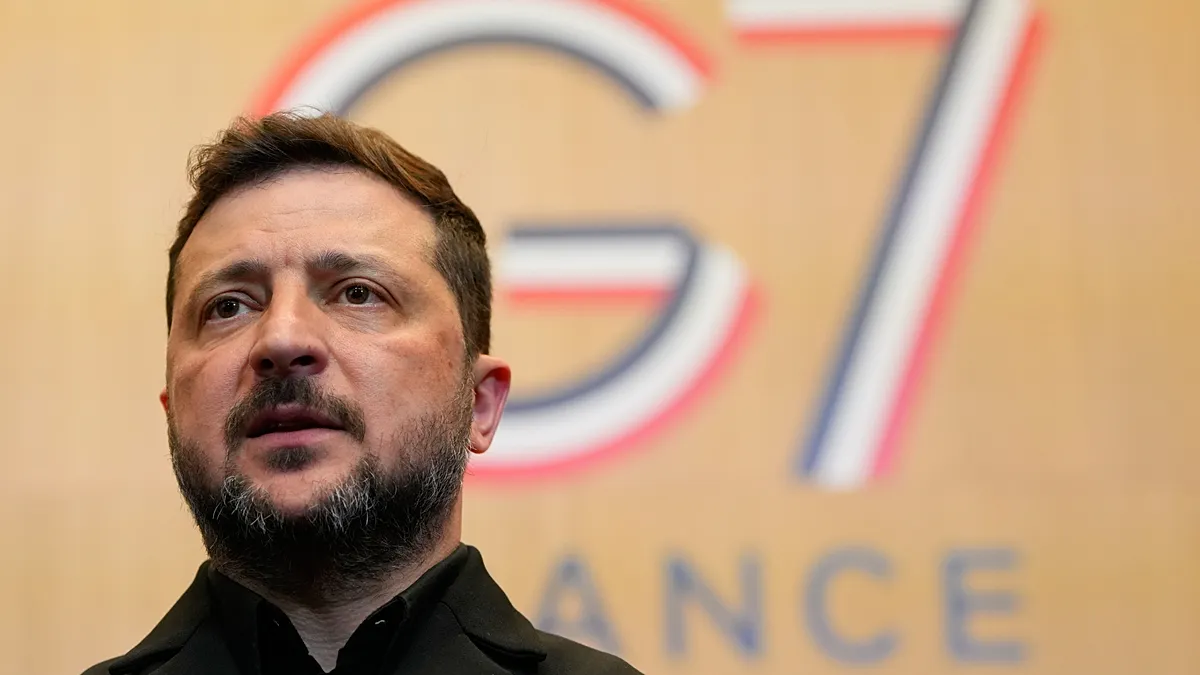
G7 leaders agree to increase weapons – G7 nations have convened in Évian-les-Bains, France, for two consecutive days to deliberate on escalating military aid to Ukraine and intensifying economic pressure on Russia. The discussions culminated in a unified statement on Tuesday night, affirming the group’s resolve to reinforce Ukraine’s defenses while targeting key areas of Russia’s economy. This decision marks a pivotal moment in the ongoing conflict, as the G7 seeks to amplify its support for Kyiv’s efforts to reclaim territory and sustain its defensive capabilities.
Ukraine’s Battlefield Momentum and Resource Needs
The G7 statement explicitly endorsed “unwavering support for Ukraine in defending its freedom, sovereignty, and territorial integrity.” Leaders emphasized the country’s recent gains on the frontlines, describing them as a “new momentum” that requires further reinforcement. To maintain this progress, the alliance pledged to augment deliveries of air defense systems and long-range weaponry. These upgrades are critical for Ukraine’s ability to counter Russian advances, particularly in the face of sustained attacks on its infrastructure.
“We commit to increase the pressure on the Russian war economy. In this context, we will strengthen our sanctions, including those on the oil and gas sectors,”
the joint declaration stated. This approach reflects a coordinated effort to weaken Russia’s financial and industrial capacity, which has been a cornerstone of its military operations. The leaders also acknowledged the urgent need for additional systems, such as interceptors and advanced anti-ballistic missile technologies, to ensure Ukraine’s resilience against incoming threats.
Europe’s Role and Financial Contributions
Europe remains Ukraine’s primary backer, having allocated nearly €200 billion in military and financial assistance since the full-scale invasion began in 2022. This substantial investment includes funding for defense equipment, humanitarian aid, and infrastructure repairs. A new €90 billion loan is set to be disbursed this month, further solidifying the continent’s commitment to Kyiv’s survival. While the United States has contributed approximately €115 billion to the overall support, the G7’s collective efforts highlight a shared responsibility in the face of escalating tensions.
France, as the host of the summit, played a central role in facilitating the agreement. The country’s leadership has consistently advocated for a unified front against Russia, leveraging its strategic position in the European Union to coordinate sanctions and aid distribution. The meeting’s timing, just days before the summer solstice, underscores the urgency of the situation as the G7 prepares for the next phase of its strategy.
Expanding Military Production Licenses
Among the key measures outlined, the G7 expressed readiness to consider expanding licensing for military production to Ukraine. This initiative aims to address Kyiv’s pressing demand for US-made Patriot anti-ballistic missile systems, which have proven vital in intercepting Russian projectiles. By granting Ukraine greater access to manufacturing capabilities, the alliance hopes to expedite the production of essential defense equipment, reducing reliance on foreign supply chains.
The proposed expansion of licenses also opens the door for Ukraine to produce its own weapons and systems, fostering self-sufficiency in the long term. This decision aligns with the broader goal of ensuring Kyiv’s ability to sustain its military operations without interruption, even as global supply chains face disruptions due to the war’s prolonged impact.
Sanctions and Energy Sector Focus
With the war economy of Russia under scrutiny, the G7 highlighted the importance of targeting energy exports as a strategic lever. US President Donald Trump remarked that Washington would soon have the capacity to reimpose sanctions on Russian oil and gas shipments, which had been temporarily eased due to a recent agreement with Iran. This framework deal, expected to restore the flow of vessels through the Strait of Hormuz, could alleviate the global energy crisis but also provide an opportunity to reapply pressure on Moscow.
“We commit to increase the pressure on the Russian war economy. In this context, we will strengthen our sanctions, including those on the oil and gas sectors,”
the statement reiterated. The EU, which has already enacted 21 sanction packages against Russia, is set to unveil its latest measures targeting Moscow’s oil sales and the so-called “shadow fleet”—a network of vessels used to circumvent existing sanctions. These actions aim to disrupt Russia’s revenue streams and hinder its ability to fund the war effort, particularly as energy exports remain a significant source of income for the country.
Energy Resilience for Ukraine’s Winter Survival
Looking ahead, the G7 emphasized the need for energy resilience to ensure Ukraine’s survival through the upcoming winter. The statement noted that Russia typically intensifies its attacks on the country’s energy infrastructure during colder months, when energy shortages can cripple both civilian and military operations. To counter this, the alliance pledged to provide targeted support, including funding for heating systems and power generation, to help Kyiv withstand the harsh conditions.
The focus on energy resilience also underscores the broader geopolitical implications of the war. By securing Ukraine’s access to energy resources, the G7 aims to disrupt Russia’s ability to sustain its military campaigns and reinforce Kyiv’s position as a strategic counterweight to Moscow’s influence. This dual approach of military aid and economic pressure reflects a multifaceted strategy to ensure Ukraine’s long-term security and independence.
As the G7 leaders depart from Évian-les-Bains, the agreement signals a renewed commitment to the war effort. The combined military and financial support, coupled with targeted sanctions and the expansion of production licenses, sets the stage for a more robust alliance. With Ukraine’s frontlines showing promise and the global energy landscape shifting, the G7’s decisions will have far-reaching consequences for the future of the conflict and the stability of the region.