US military confirms new strikes in Iran targeting missile infrastructure and mine-laying vessels
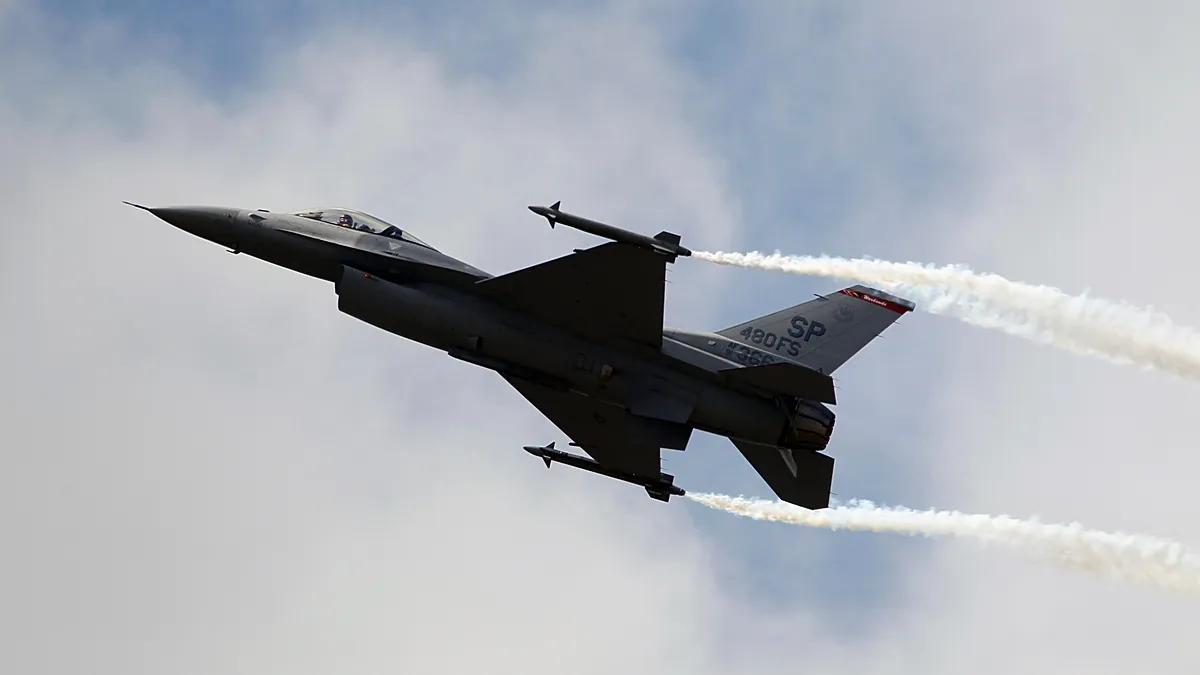
US military says it has launched – On Monday, the US military announced it had executed “self-defense” strikes in southern Iran, focusing on missile launch sites and Iranian boats engaged in mine deployment. The operation was framed as a necessary measure to shield American forces from Iranian threats. Meanwhile, President Donald Trump expressed optimism about diplomatic progress, tweeting that negotiations were “proceeding nicely.” However, the strikes added urgency to discussions surrounding the potential resolution of the conflict, with details still pending.
Strategic strikes amid ceasefire
A statement from US Central Command (CENTCOM) revealed the strikes were part of an effort to secure forces during the current ceasefire. “Targets included missile launch sites and Iranian boats attempting to emplace mines,” said CENTCOM spokesman Timothy Hawkins. The statement emphasized a balance between defense and restraint, noting that the military was “continuing to defend our forces while using restraint.” Hawkins’ remarks came as tensions remained high, with the US-Israeli war on Tehran, which began on 28 February, casting a long shadow over regional stability.
Further clarification on the nature of the threats and the specifics of the strikes was not immediately released. Analysts speculated that the attacks targeted Iran’s capacity to project power, particularly its ability to disrupt maritime traffic through mine-laying activities. The Strait of Hormuz, a critical passageway for 20% of global shipping, has been a focal point of Iranian actions since the war began. Its reopening is central to the proposed deal, which aims to de-escalate hostilities and restore trade routes.
Trump’s stance on the deal
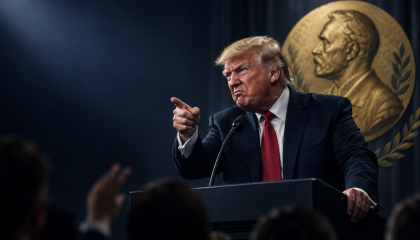
President Trump claimed on Saturday that a deal with Iran had been “largely negotiated,” following consultations with Israel and regional allies. He described the agreement as a breakthrough, though he admitted finalizing the terms required more work. “Final aspects and details of the deal are currently being discussed and will be announced shortly,” he wrote in a social media post, offering no additional specifics. Hours later, he instructed his representatives to delay the deal, urging caution in the final stages.
“After all the work done by the United States to try and pull this very complex puzzle together, it should be mandatory that all of these countries, at a minimum, simultaneously sign onto the Abraham Accords,” Trump stated.
This directive highlights Trump’s desire to link the Iran deal with broader regional diplomacy. The president argued that any agreement to end the war should require several additional countries to join the Abraham Accords, which were first brokered during his first term. These agreements, involving Israel and nations like the UAE, Bahrain, and others, were designed to normalize relations and foster Middle Eastern cooperation. However, Trump’s proposal introduces new complexities, as it ties the ceasefire to the inclusion of countries such as Saudi Arabia and Pakistan.
Geopolitical implications of the accords
The Abraham Accords have evolved from their original focus on Israel-UAE relations to encompass a wider coalition. Initially, the pact united Israel and the UAE, followed by Bahrain, Sudan, and Morocco. More recently, Kazakhstan joined, signaling expanding regional support. Yet, the inclusion of additional countries has sparked debate. Trump suggested that Saudi Arabia, Qatar, and others should “immediately” sign on to the accords, even as they face challenges in aligning with US priorities.
Saudi Arabia, a key player in the Middle East, has yet to formally join the accords. The kingdom insists that any normalization with Israel depends on securing a clear path to Palestinian statehood. This condition also applies to Pakistan, which has no diplomatic ties with Israel. Trump’s proposal could strain negotiations, as it pressures countries to commit to the accords before finalizing the Iran deal. Critics, including some Republicans, have raised concerns about the deal’s scope and the inclusion of new obligations.
“There was no ‘timeframe or deadline’ in finalising the deal with the US,” said Tehran’s foreign policy spokesperson Esmail Baquei, contrasting with Trump’s confident assertions.
Iranian officials, while acknowledging progress, stressed that the deal was not imminent. Baquei noted that agreements on key issues had been reached but emphasized the need for further refinement. This cautious approach underscores the delicate nature of the talks, as both sides navigate competing interests. The US seeks to reduce Iranian influence in the region, while Iran aims to protect its strategic assets and economic leverage.
Global trade and regional security
The Strait of Hormuz remains a linchpin in global energy logistics, with 20% of the world’s oil passing through it. Iranian efforts to block this corridor have disrupted international commerce, prompting the US to take decisive action. The recent strikes are seen as a strategic move to counter Iran’s ability to disrupt supply chains, particularly in the wake of the war on Tehran. Analysts suggest that the attacks may also signal a shift in US military strategy, combining direct action with diplomatic outreach.
Despite the strikes, the potential for a ceasefire persists. The deal, once finalized, would allow for the reopening of the Strait of Hormuz, easing pressure on global markets. However, the inclusion of the Abraham Accords as a condition raises questions about the deal’s practicality. Trump’s insistence on extending the accords to other nations reflects his broader vision for Middle Eastern alignment, though it risks alienating countries with differing geopolitical interests.
As the negotiations continue, the stakes remain high. The US military’s actions reinforce its commitment to protecting interests in the region, while Trump’s diplomatic maneuvering seeks to consolidate alliances. The outcome of these discussions could reshape the balance of power in the Middle East, influencing both military and economic dynamics. For now, the situation remains fluid, with the potential for either a breakthrough or renewed conflict depending on how these competing priorities are resolved.