Trump Threatens 100% Tariff on French Wine and Champagne Over Digital Tax
Trade Dispute Intensifies: New Threat Against French Wines
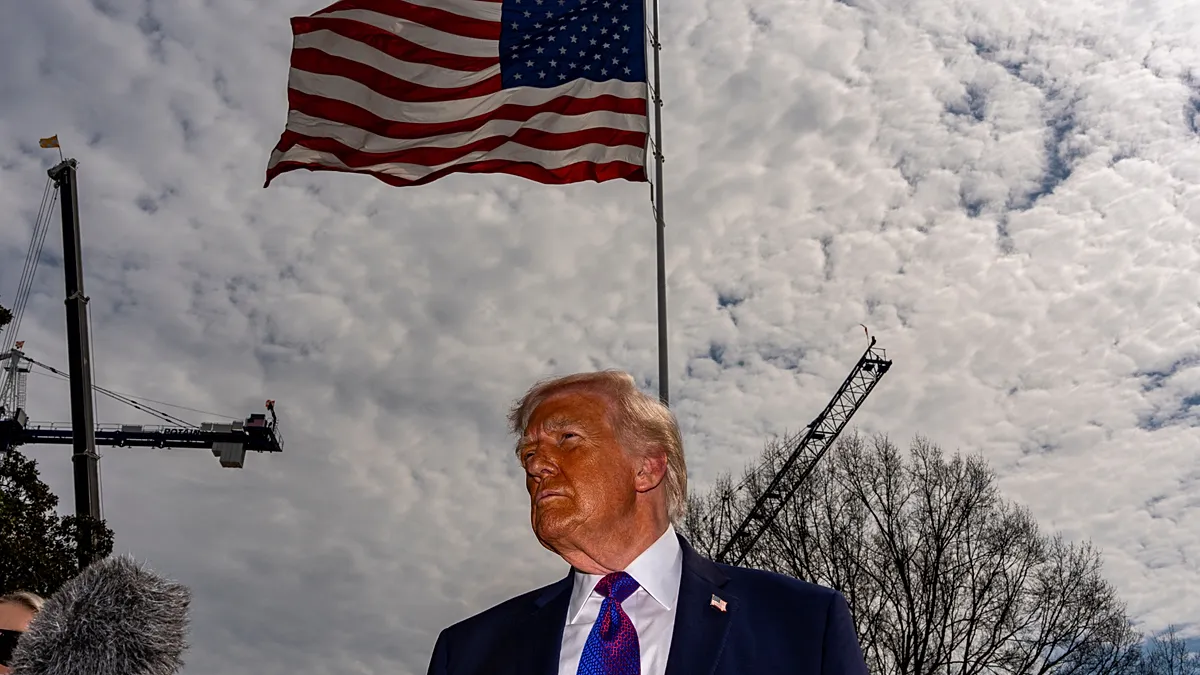
Trump threatens 100 tariff on French – French wine and champagne exports are once again at risk of being caught in the crossfire of a trade dispute between the U.S. and France. U.S. President Donald Trump has rekindled a threat he has repeatedly used against Paris, warning of a 100% tariff on all French wines and champagnes unless the country eliminates its digital services tax. The tax, which targets major tech firms, has become a flashpoint in the ongoing economic tensions between the two nations. The New York Post reported that Trump expressed his frustration with the levy, vowing to retaliate unless France takes action to remove it.
France’s Digital Services Tax: A Brief Overview
The digital services tax, implemented in 2019, imposes a 3% levy on revenues generated within France by large technology companies. This includes giants like Facebook, Amazon, Apple, and Alphabet, the parent company of Google. The policy aims to ensure that these firms contribute more to the French economy, particularly in light of their ability to shift profits to low-tax jurisdictions. By taxing revenue rather than profits, the measure is designed to counter aggressive tax-optimization strategies that have long been criticized by European allies.
Macron’s Meeting with Trump and the Tariff Pressure
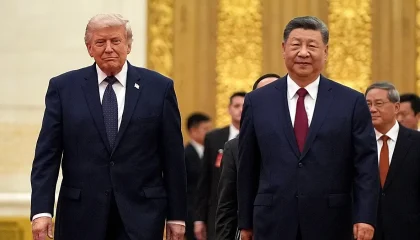
French President Emmanuel Macron is set to meet with Trump on Monday ahead of the G7 summit in Evian, near Lake Geneva. This encounter comes amid mounting pressure from the U.S. leader, who has repeatedly signaled his intent to impose steep tariffs on French goods. According to the New York Post, Trump reportedly urged Macron “not to charge American companies” during their discussions. “If they do, I have no choice but to charge a 100% tariff on all champagnes and all wines coming out of France,” the Republican president was quoted as saying. The threat underscores the political weight Trump places on France’s tax policy.
Impact on French Exports to the U.S.
The United States is the largest export market for French wines and spirits, representing 21% of total French exports last year. However, this critical trade relationship is now under strain. French and European wines already face a 15% tariff when entering the U.S., up from 10% in prior years. The French Federation of Wine and Spirits Exporters noted that exports of French wines and spirits to the United States declined by 21% in 2025, citing the ongoing tariff disputes. A 100% tariff would further exacerbate this decline, potentially crippling the industry.
Past Threats and Historical Precedents
This is not the first time Trump has targeted French wines as a means of exerting pressure on the country. In January, he had already warned of imposing 200% tariffs on French wine after France signaled its intention to reject membership in his proposed “Board of Peace,” a forum aimed at resolving international conflicts. The move was part of a broader effort to isolate France economically. Canada, another European nation, had previously dropped its digital services tax in 2025 to avoid similar repercussions from Trump. This precedent highlights the U.S. leader’s strategy of using trade as a diplomatic tool.
Supporters’ Perspective on the Digital Tax
Proponents of the digital services tax argue that it is essential for ensuring fairness in global taxation. They contend that large technology companies, which operate across borders, have historically evaded their share of tax responsibilities by routing profits through tax havens. The French policy, they assert, addresses this imbalance by requiring companies to pay taxes where they generate revenue. This aligns with broader European efforts to modernize tax frameworks and hold multinational corporations accountable.
Broader Implications for International Trade
The dispute over the digital tax reflects a larger debate on how to balance economic interests with regulatory goals. While Trump views the levy as an unfair burden on American businesses, France sees it as a necessary step to fund public services and support its domestic economy. The threat of a 100% tariff on wine and champagne adds a cultural dimension to the conflict, as these products are not only economic staples but also symbols of France’s heritage. The G7 summit, which will bring together leaders from the world’s major economies, now faces the challenge of mediating this standoff.
Global Reactions to the Tariff Threat
French wine producers and exporters have expressed concern over the potential tariffs, fearing a significant loss of market share. The 100% rate would effectively make French wines and champagnes unaffordable for many American consumers, particularly in a market already sensitive to price fluctuations. Meanwhile, European partners have called for unity in response to Trump’s demands, emphasizing that the digital tax is a shared initiative aimed at curbing tax avoidance. The threat also highlights the precarious state of transatlantic trade relations, which have been tested by a series of disputes over tariffs and regulations.
Strategic Moves in the Trade War
Trump’s return to the 100% tariff threat is part of a calculated strategy to leverage economic pressure in his negotiations with France. By targeting a sector that is vital to the French economy, he aims to force concessions on tax policies. The digital services tax, which has been a point of contention since its introduction, serves as both a financial and political leverage point. French officials have defended the measure, arguing that it helps bridge the gap between traditional industries and the digital economy, ensuring a fairer distribution of tax burdens.
The Role of the G7 Summit in Resolving the Crisis
As Macron prepares to host Trump at the G7 summit, the meeting represents a crucial opportunity to address the digital tax dispute. The summit, held in Evian, is expected to focus on global economic challenges, including trade, climate change, and digital regulation. With tensions high, the discussions may determine whether the U.S. and France can find a compromise or escalate the conflict further. Trump’s demand for a 100% tariff on French wines underscores his desire to assert dominance in international trade, while Macron seeks to defend his country’s economic policies.
Despite the looming threat, France remains committed to its digital tax, which has generated over €1.5 billion in revenue since its inception. The policy has also received support from other European countries, including Italy and Germany, which have introduced similar measures. However, the U.S. stance highlights the challenges of aligning global tax policies in a world increasingly shaped by digital commerce. As the G7 summit approaches, the fate of the French wine industry—and the broader trade relationship between the U.S. and Europe—hangs in the balance.
“Trump has made it clear that the digital tax is a red line for him. If France doesn’t remove it, he’ll take the fight to the wine industry,” said a spokesperson for the New York Post.
The French Federation of Wine and Spirits Exporters has warned that a 100% tariff could lead to a 30% reduction in exports to the U.S., a key market for the industry. While the current 15% tariff has already contributed to a 21% decline in sales, the prospect of doubling it has raised alarm among producers. The move also risks damaging France’s reputation as a producer of high-quality goods, potentially affecting not just the wine industry but other sectors like luxury goods and fashion.
Trump’s threats have become a hallmark of his trade policy, often used to pressure allies into concessions. The digital tax, he argues, is an example of France imposing “unfair” financial burdens on American companies. This sentiment echoes his criticism of European countries for failing to harmonize tax policies with the U.S. In his first term, Trump had already threatened tariffs on French champagne and cheese, citing similar reasons. The recurring nature of these threats suggests that the digital tax is a recurring issue in U.S.-France relations.
As the G7 summit nears, the outcome of the meeting