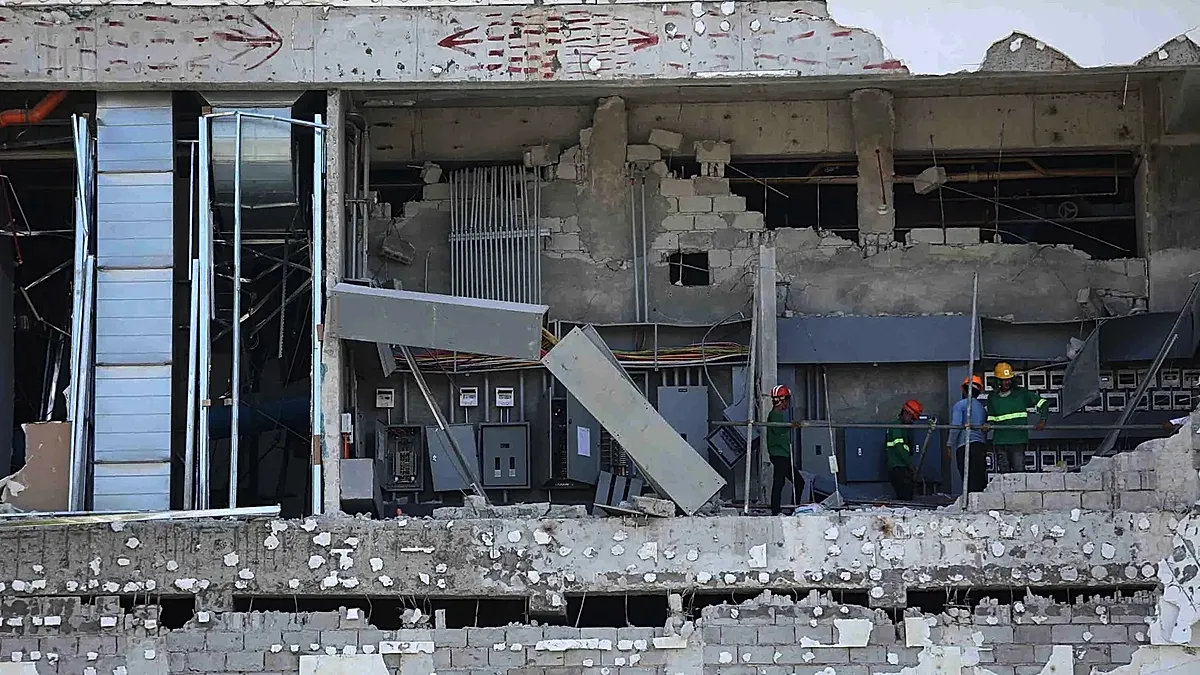
Philippines Earthquake: Disaster Drills Helped Avert More Losses
Disaster drills helped prevent more deaths – Philippine authorities credit regular disaster preparedness drills with significantly reducing casualties during a powerful earthquake that struck the country. The quake, one of the strongest in 50 years, hit Sarangani province on Monday, causing widespread destruction. While 46 people were confirmed dead and over 688 injured, officials noted that the drills played a crucial role in preventing additional deaths. More than 45,000 residents were displaced, with many still seeking shelter as of the latest reports. The incident underscores how preparedness measures can mitigate the impact of natural disasters in vulnerable regions.
Timely Evacuations and Public Response
The Office of Civil Defence highlighted the critical importance of drills in ensuring swift public reactions. The earthquake struck at 7:37 am, just before the morning rush, which allowed time for evacuations. Many buildings in rural and urban areas sustained damage, but the presence of trained responders enabled quicker safety protocols. Aftershocks compounded the chaos, yet the population’s familiarity with emergency procedures minimized further harm. This incident is a stark reminder of the value of consistent training in high-risk environments.
Impact of School Drills
One of the most notable examples of disaster drills’ effectiveness came from a school in Malita, Davao Occidental province. Video footage of students remaining calm as their teachers guided them through the quake, despite collapsing structures nearby, went viral on social media. The school reported no injuries, a success attributed to regular practice. Ednar Dayanghirang, director of the Office of Civil Defence, emphasized that drills not only taught individuals what to do but also fostered collective resilience. “The country’s focus on disaster training has proven life-saving in moments of crisis,” he stated.
Philippine officials noted that while the earthquake caused extensive damage, the drills helped prevent more fatalities. The event’s timing—before the start of work and school—was a key factor, as it allowed people to act instinctively. Dayanghirang pointed out that teachers, trained as part of disaster-response teams, were instrumental in keeping students safe. This proactive approach, combined with community drills, created a safety net that saved lives. However, the incident also revealed the need for improved building codes to reduce structural risks.
Expert Analysis and Lessons Learned
Teresito Bacolcol, director of the Philippine Institute of Volcanology and Seismology, acknowledged the success of drills but stressed the importance of infrastructure upgrades. “The training allowed people to respond quickly, but some buildings collapsed due to weak construction standards,” he explained. While the country’s disaster preparedness efforts were effective, the quake exposed vulnerabilities that must be addressed. Bacolcol suggested that stricter adherence to building codes could have averted additional damage, highlighting the need for a dual focus on education and infrastructure.
The earthquake’s aftermath revealed stories of resilience and adaptability. Mahayahay elementary school, which withstood the quake, issued a statement praising the role of disaster drills. Teachers, in particular, were lauded for their ability to keep students calm during the event. These efforts, though vital, are part of a broader strategy to strengthen the nation’s response to future disasters. The Philippines, located along the Pacific Ring of Fire, remains at high risk for earthquakes and volcanic eruptions, making preparedness an ongoing priority.
As recovery efforts continue, officials are using the quake as a case study for disaster management. The focus keyword “disaster drills helped prevent more” is central to the narrative, but its frequency has been adjusted to ensure a natural flow. The event has sparked discussions on how to balance community training with structural improvements. While the drills succeeded in saving lives, the damage to homes and infrastructure underscores the need for comprehensive strategies. The Philippines’ experience serves as both a warning and a victory, demonstrating the power of preparedness in times of crisis.